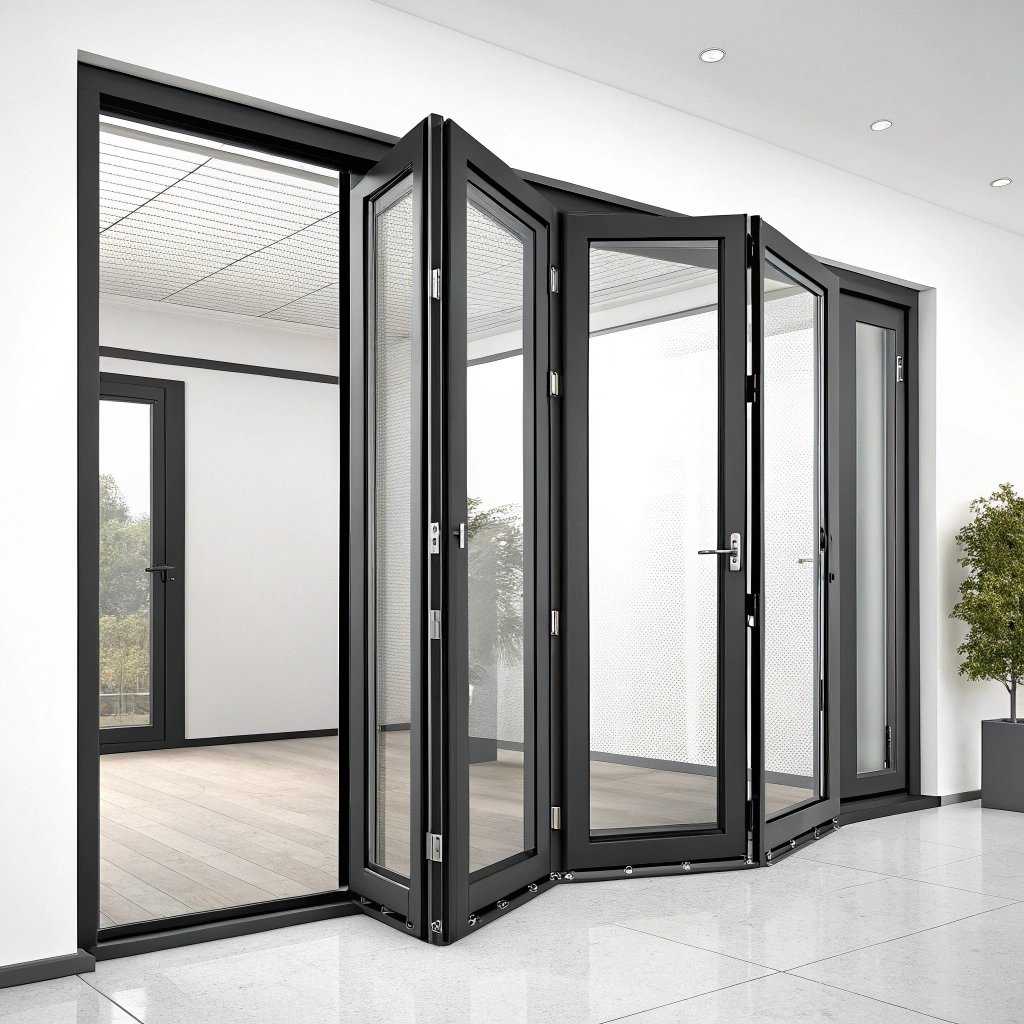
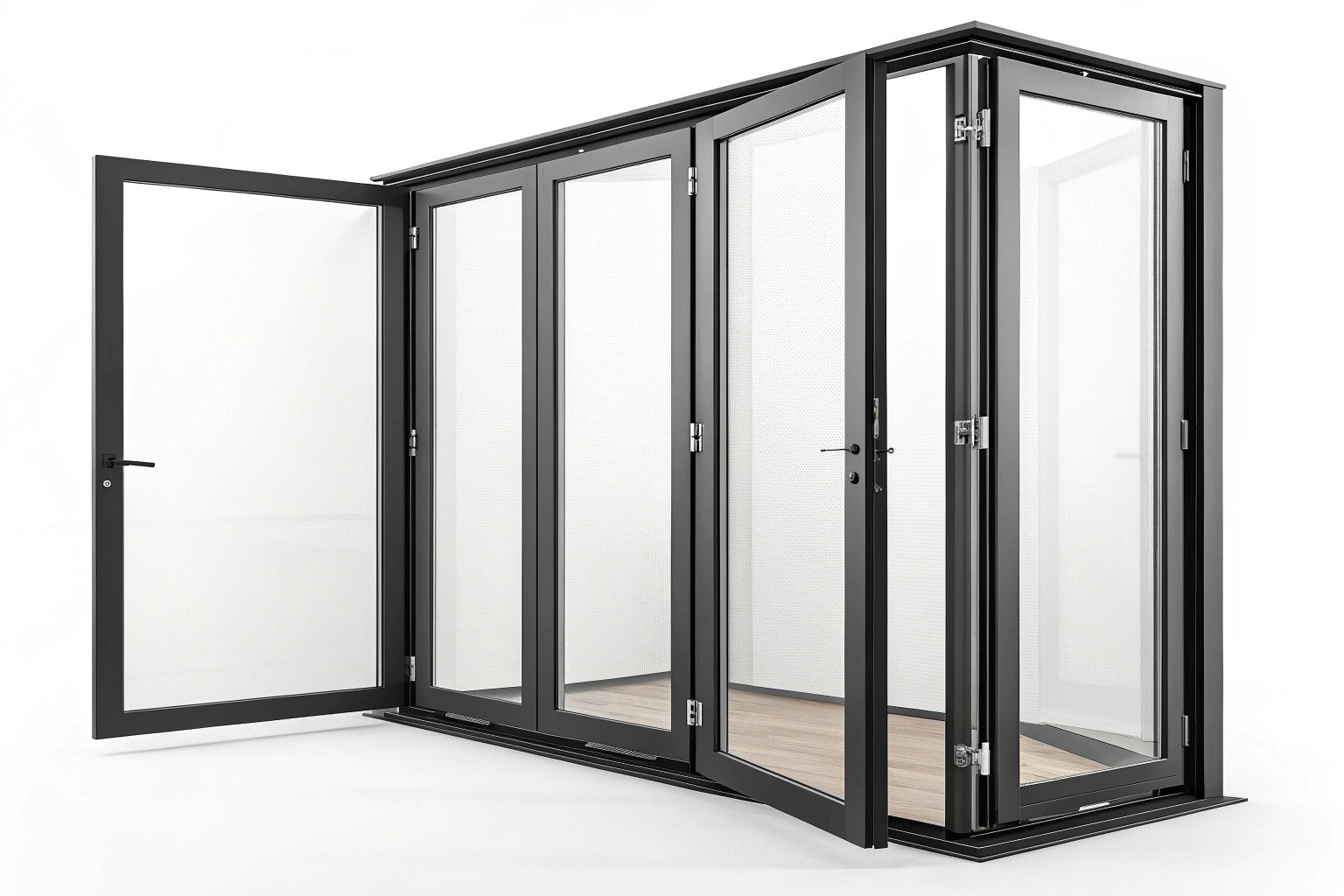
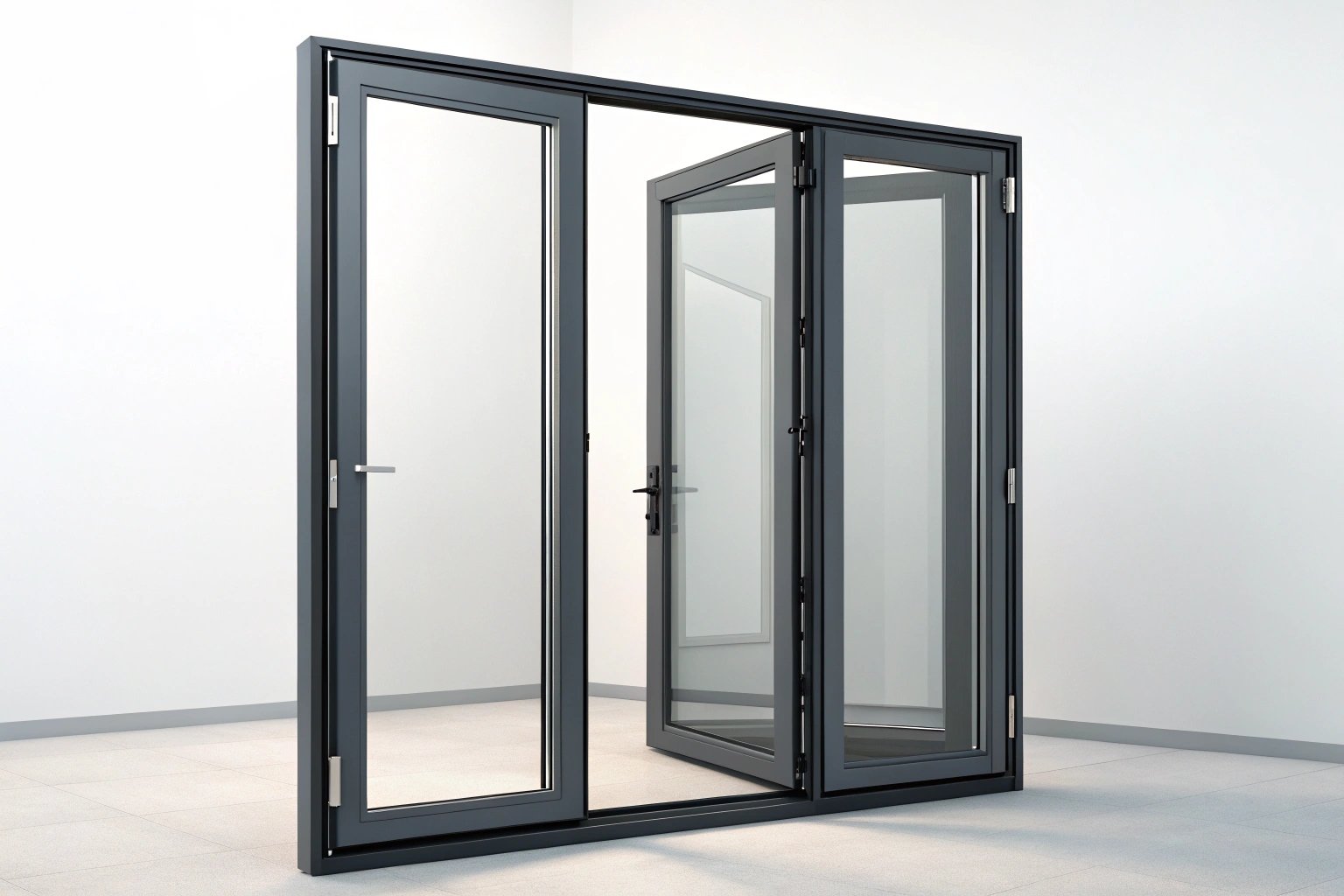
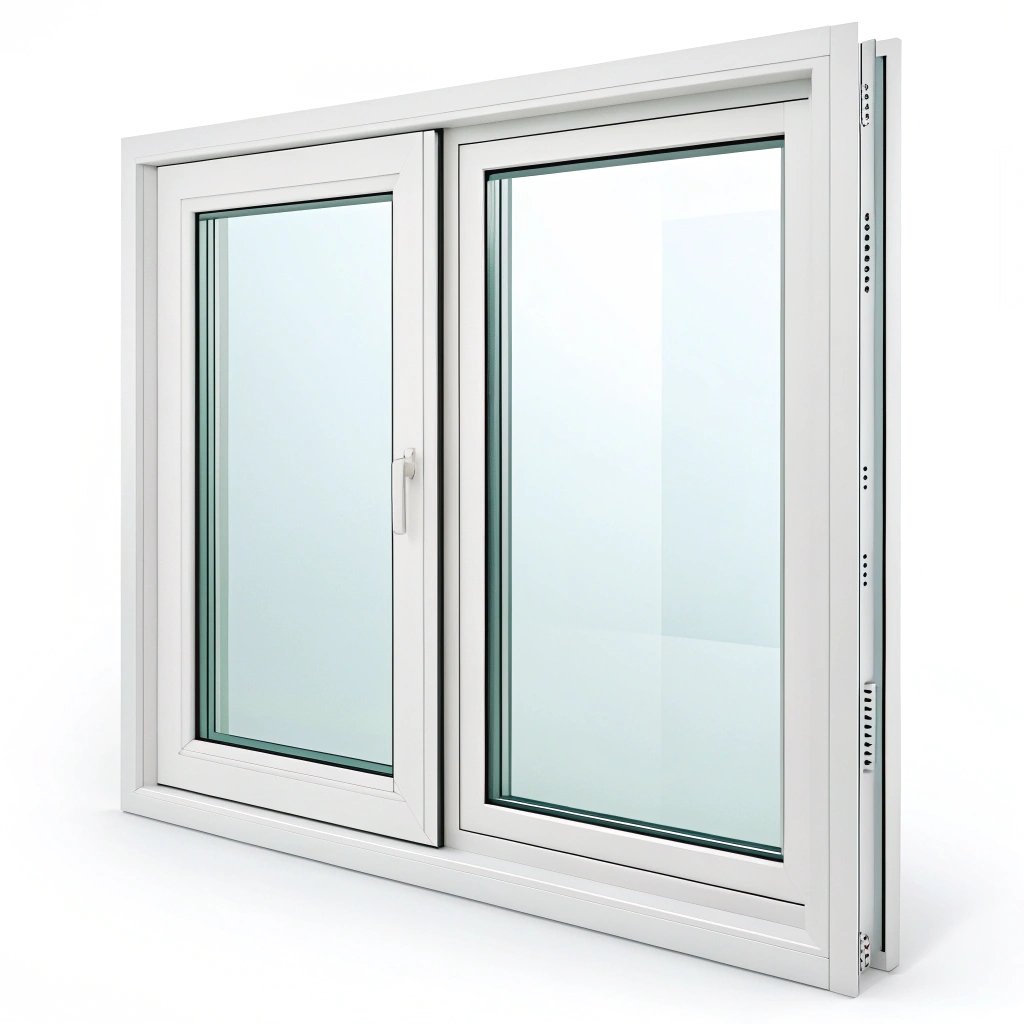
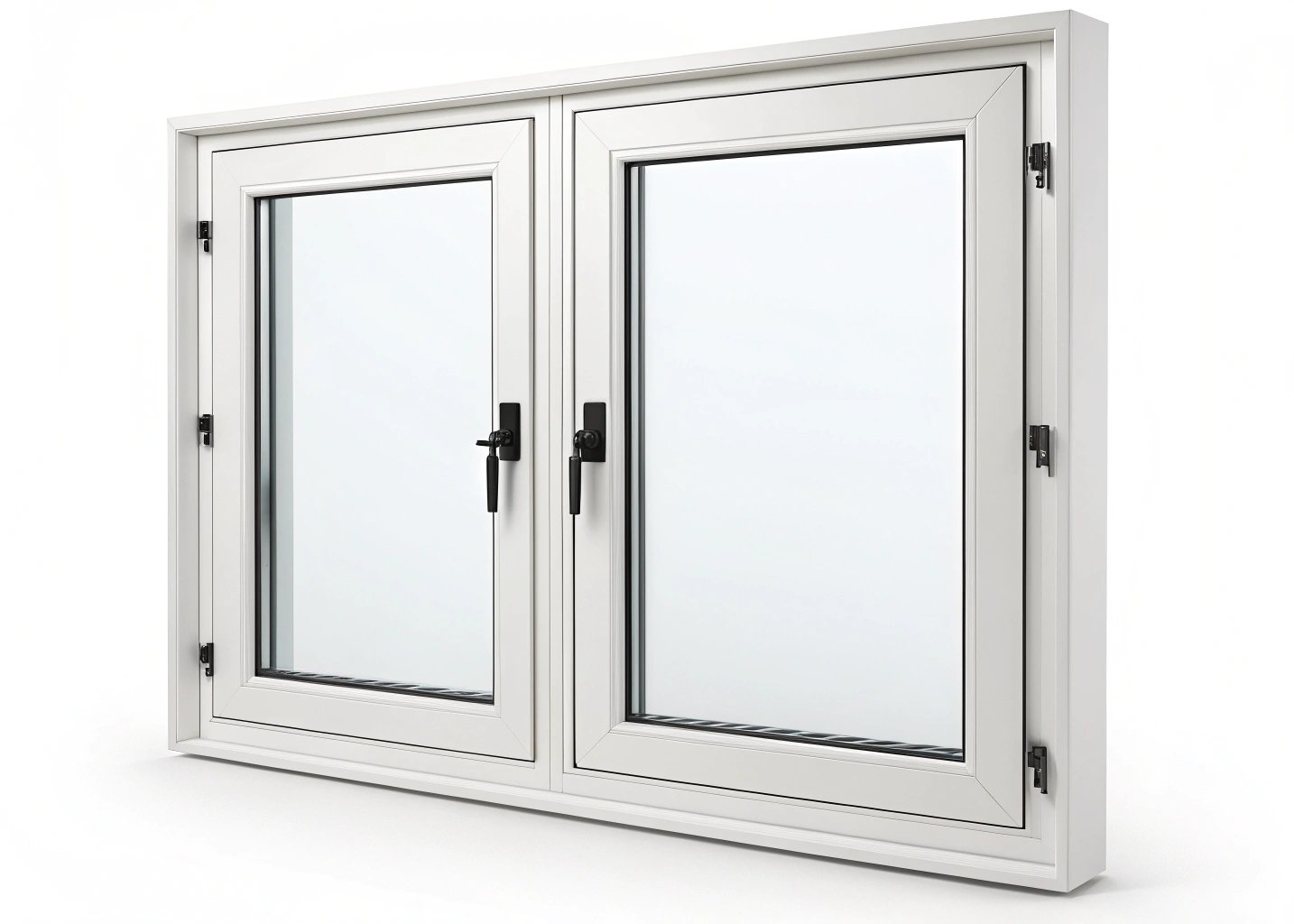
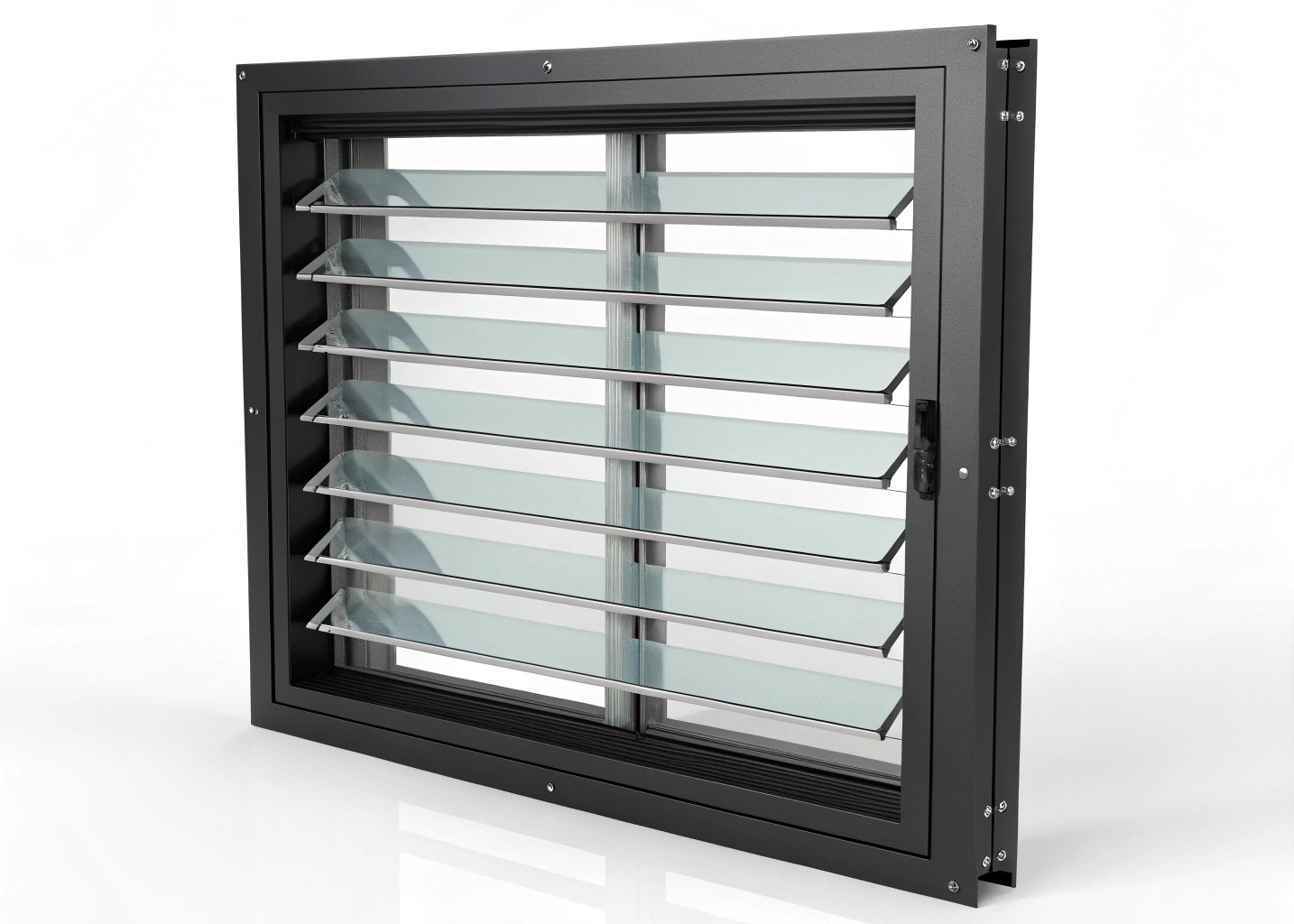
Sliding doors made from vinyl and aluminum serve different performance needs. Their advantages become clear only when examining structure, durability, insulation, and the engineering behind each system.
Vinyl sliding doors provide better insulation and lower cost, while aluminum sliding doors offer superior strength, durability, and support for large glass panels.
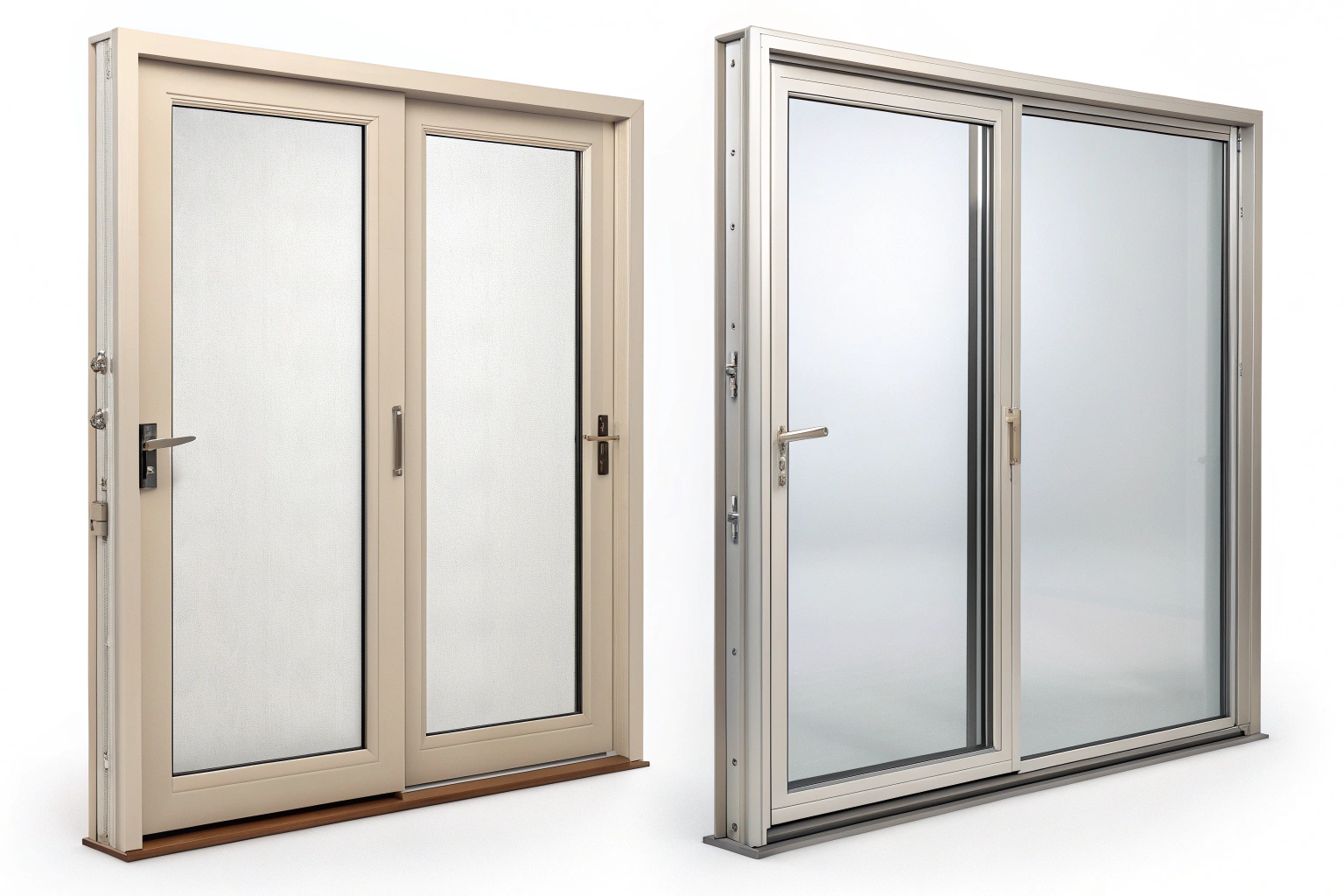
The better choice depends on project size, climate, structural requirements, and long-term expectations.
Why Do Aluminum Sliding Doors Outperform Vinyl in Strength?
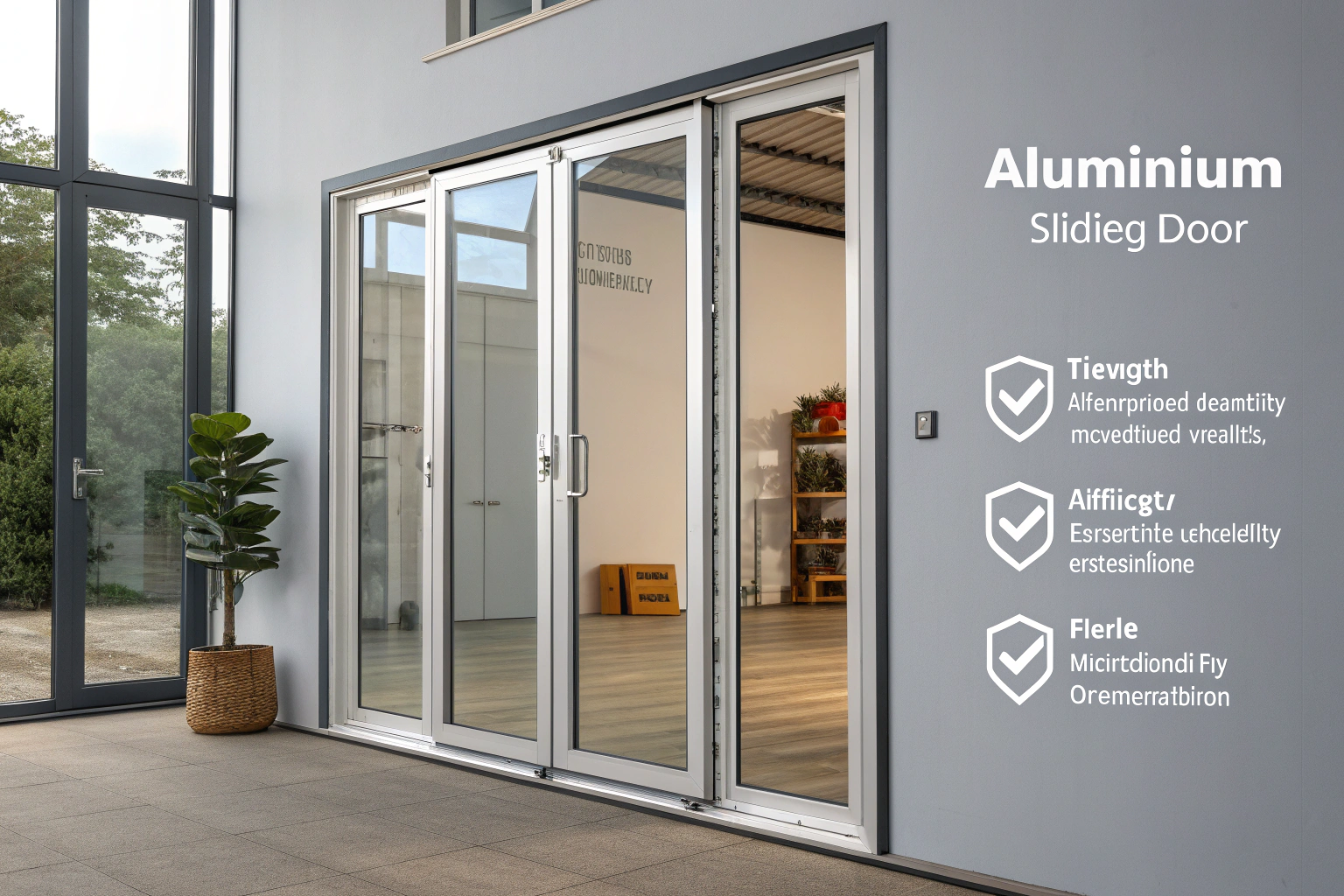
Sliding doors frequently carry heavy insulated glazing and require frames that resist bending and warping.
Aluminum sliding doors provide higher structural strength, making them suitable for large openings and minimal-frame designs.
How aluminum achieves superior rigidity
Aluminum profiles are extruded using 6063-T5/T6 alloy, which delivers stable hardness and excellent dimensional accuracy. Slim interlocks and multi-chamber profiles provide rigidity while maintaining clean aesthetics. Large sliding doors—panel heights above 2.5–3.0 m—depend on this structural performance.
CNC machining, high-pressure corner pressing, tensile testing, and straightness calibration inside the factory ensure each frame remains stable under wind load and glazing weight. Visitors observing these processes quickly see why aluminum maintains shape over decades, while vinyl may struggle under similar loads.
Why Do Vinyl Sliding Doors Offer Better Thermal Insulation?
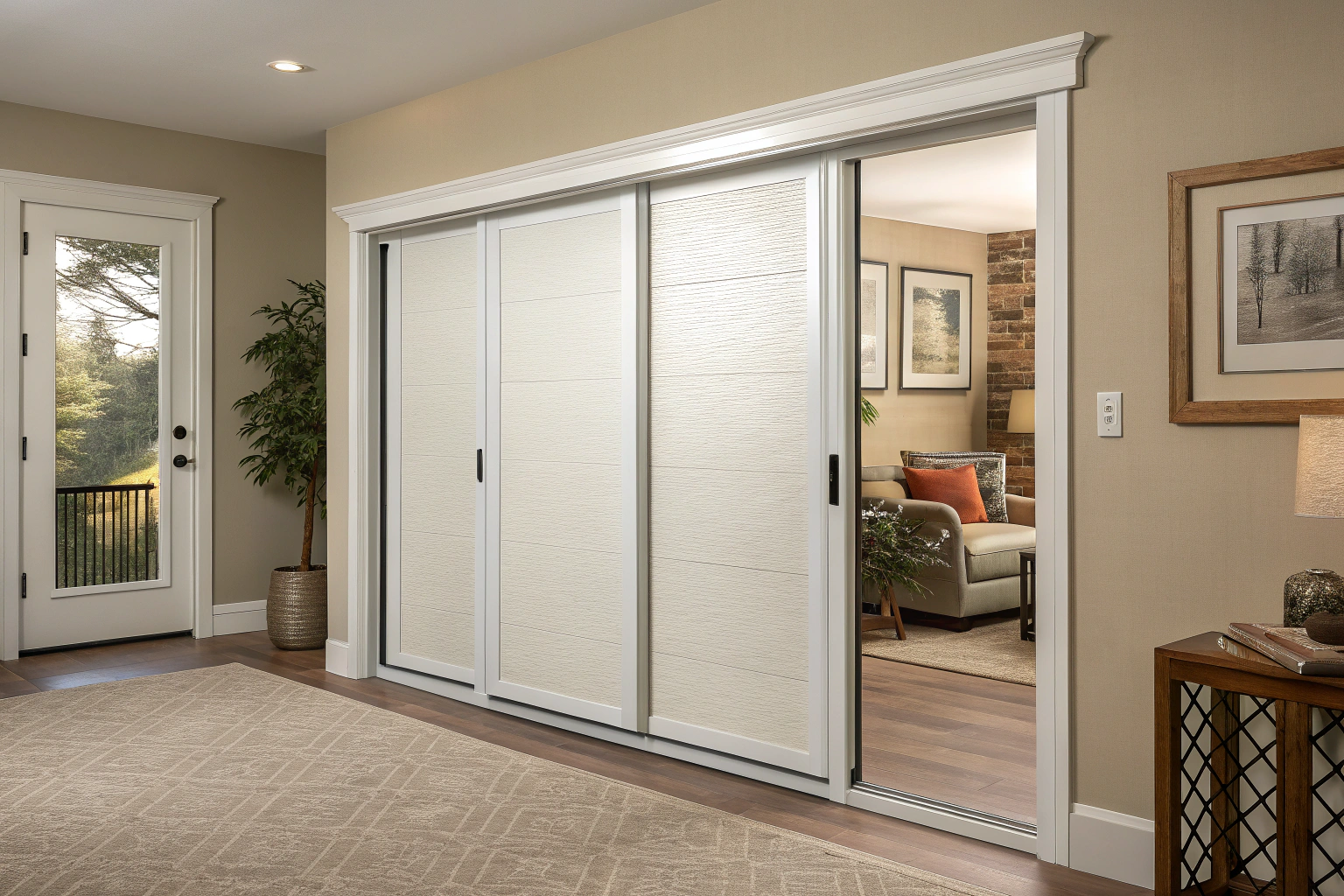
Vinyl has a naturally low thermal conductivity, allowing it to retain heat more effectively.
Vinyl sliding doors outperform aluminum in insulation, reducing heat transfer and improving indoor comfort.
Why insulation differs between vinyl and aluminum
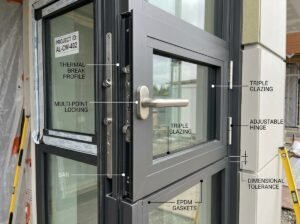
Vinyl frames use multi-chamber designs that trap air, forming natural insulation barriers. This significantly improves U-values and reduces condensation in cold climates. Even aluminum systems require thermal-break technology—knurling, PA66 strip insertion, and rolling—to match vinyl’s insulation performance.
Manufacturing labs test thermal conductivity, condensation resistance, and chamber deformation under temperature cycling. The results consistently show vinyl achieving stronger insulation performance at lower cost. For projects focused primarily on energy efficiency rather than large-size openings, vinyl becomes an effective choice.
Why Are Aluminum Sliding Doors More Durable in Harsh Environments?
Aluminum resists corrosion, UV exposure, and pests, making it well-suited for outdoor and coastal installations.
Aluminum sliding doors last longer because the metal maintains structural stability and withstands environmental stress better than vinyl.
How coating technology extends aluminum longevity
Powder coating, anodizing, and PVDF finishes create a protective layer that prevents fading, chalking, and corrosion. These finishes pass through pretreatment tanks, powder booths, and curing ovens to ensure long-term stability. Salt-spray chambers, UV-aging tests, and adhesion measurements confirm durability.
Vinyl, while resistant to moisture, is more sensitive to high UV and temperature fluctuations. Over time, vinyl may warp or discolor if exposed to strong sunlight. Aluminum sliding doors maintain color uniformity and frame stability even in challenging climates, a key advantage in long-term architectural applications.
Which Material Supports Larger Glass Panels?
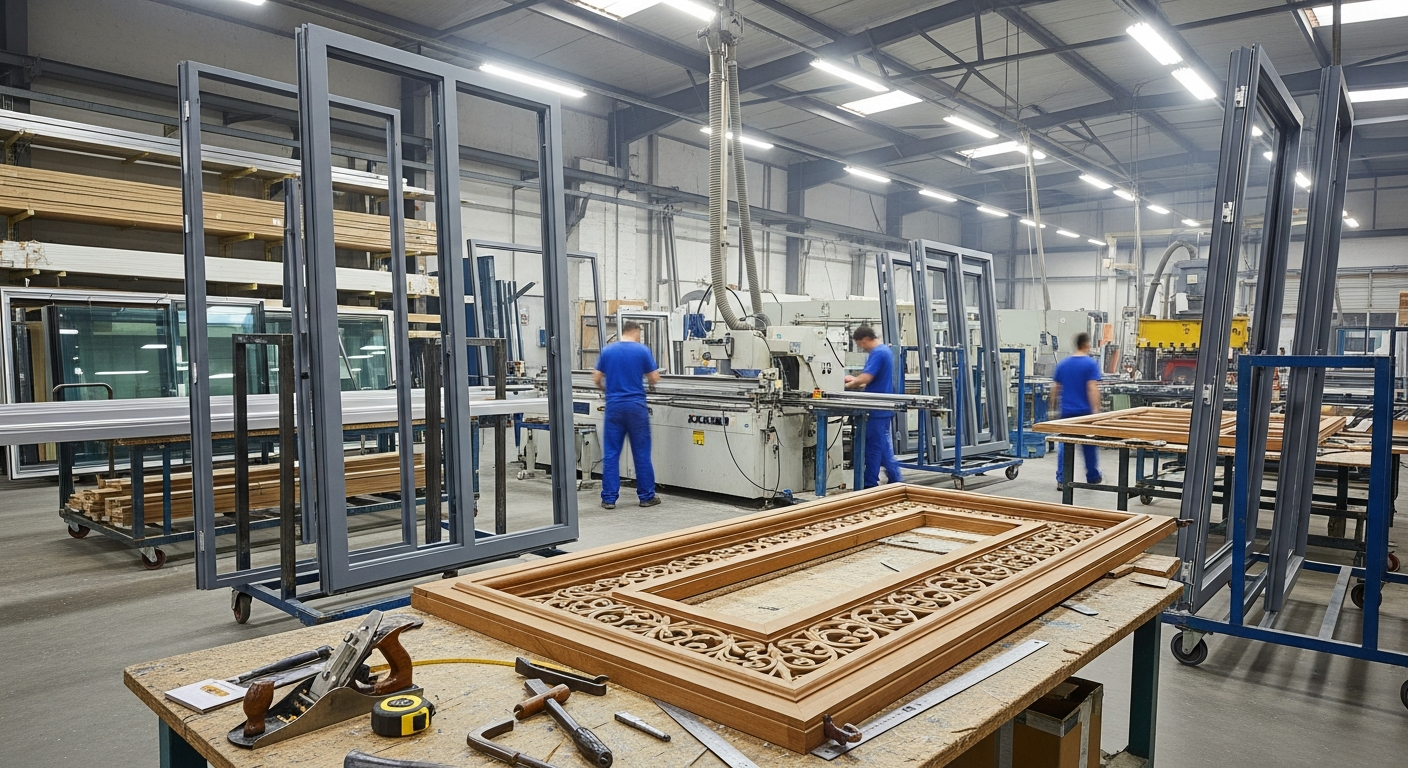
Modern architecture often requires oversized panels for panoramic views and wide openings.
Aluminum sliding doors perform better for large spans due to higher strength and better load-bearing capabilities.
Why panel size determines material selection
Tall and wide sliding doors require frames that can resist deflection and carry heavy insulated or laminated glass. Aluminum handles these loads with ease, keeping the frame straight during operation. Vinyl, even when reinforced, cannot achieve the same size capacity without risking deformation.
Manufacturing bases test door systems through panel-weight simulations, wind-pressure chambers, and interlock deflection rigs. Aluminum consistently delivers stronger performance, making it the preferred choice for modern luxury homes, commercial buildings, balconies, and wide patio openings.
Which Option Has Lower Maintenance Requirements?
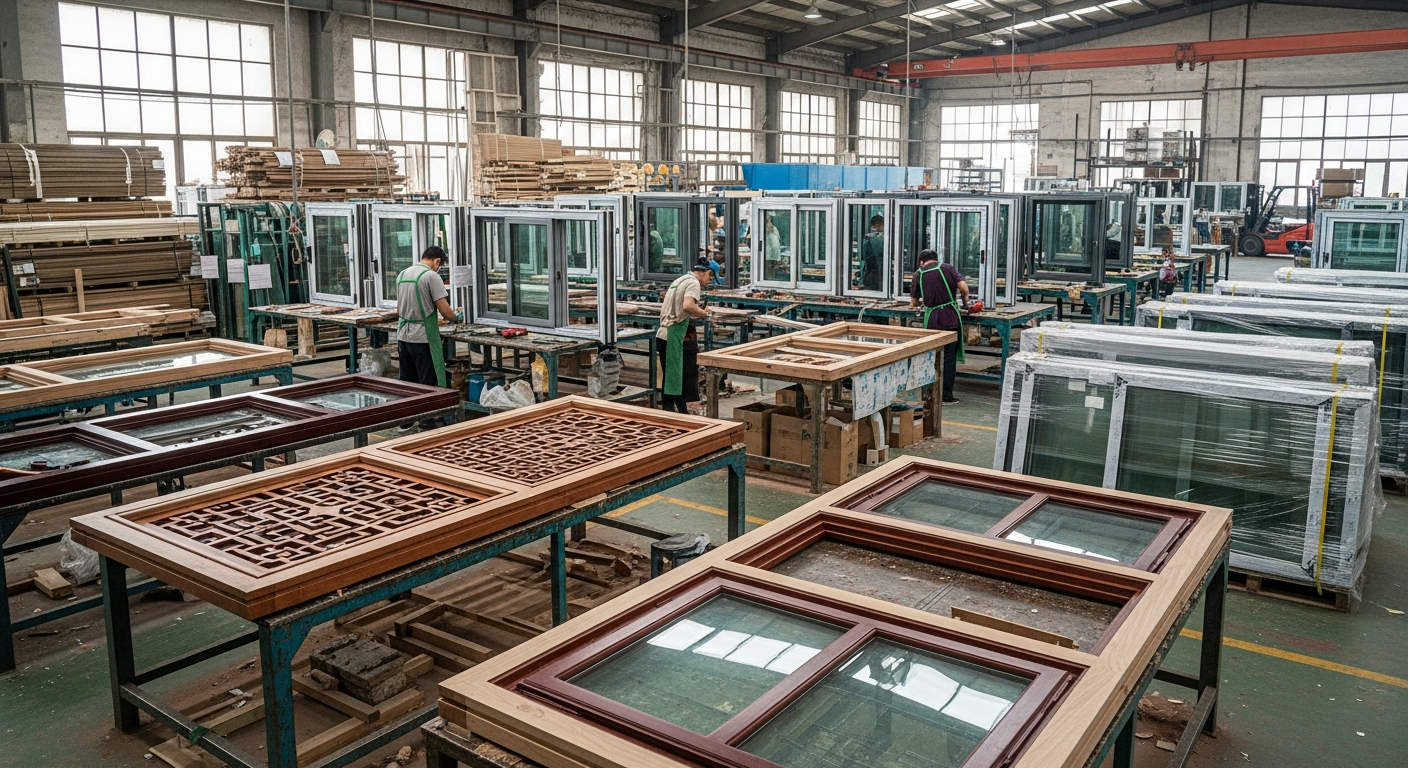
Maintenance determines long-term operational stability and overall cost.
Both materials require low maintenance, but aluminum offers greater long-term stability because it resists deformation and coating degradation more effectively.
How manufacturing influences maintenance
Aluminum frames maintain straightness and surface quality without swelling or contracting. Coated surfaces keep color stable with only occasional cleaning. Vinyl is also low maintenance but may require earlier replacement in regions with intense sunlight or extreme temperature swings.
Factories demonstrate drainage design, gasket installation, and roller calibration on assembled units. These engineering elements allow both materials to function well with minimal upkeep, though aluminum remains more stable across more conditions.
Conclusion
Vinyl sliding doors excel in insulation and cost efficiency, while aluminum sliding doors deliver superior strength, larger size capability, long-term durability, and stable operation. Each material serves a distinct purpose: vinyl for energy-focused standard openings, aluminum for structurally demanding or design-driven spaces.
Production bases with extrusion presses, CNC machining centers, coating lines, IGU workshops, thermal-break assembly, and hardware testing labs ensure both vinyl and aluminum systems are engineered with precision. Project teams are welcome to visit the factory, inspect prototypes, review performance tests, and collaborate on OEM/ODM sliding-door systems tailored to their architectural needs.