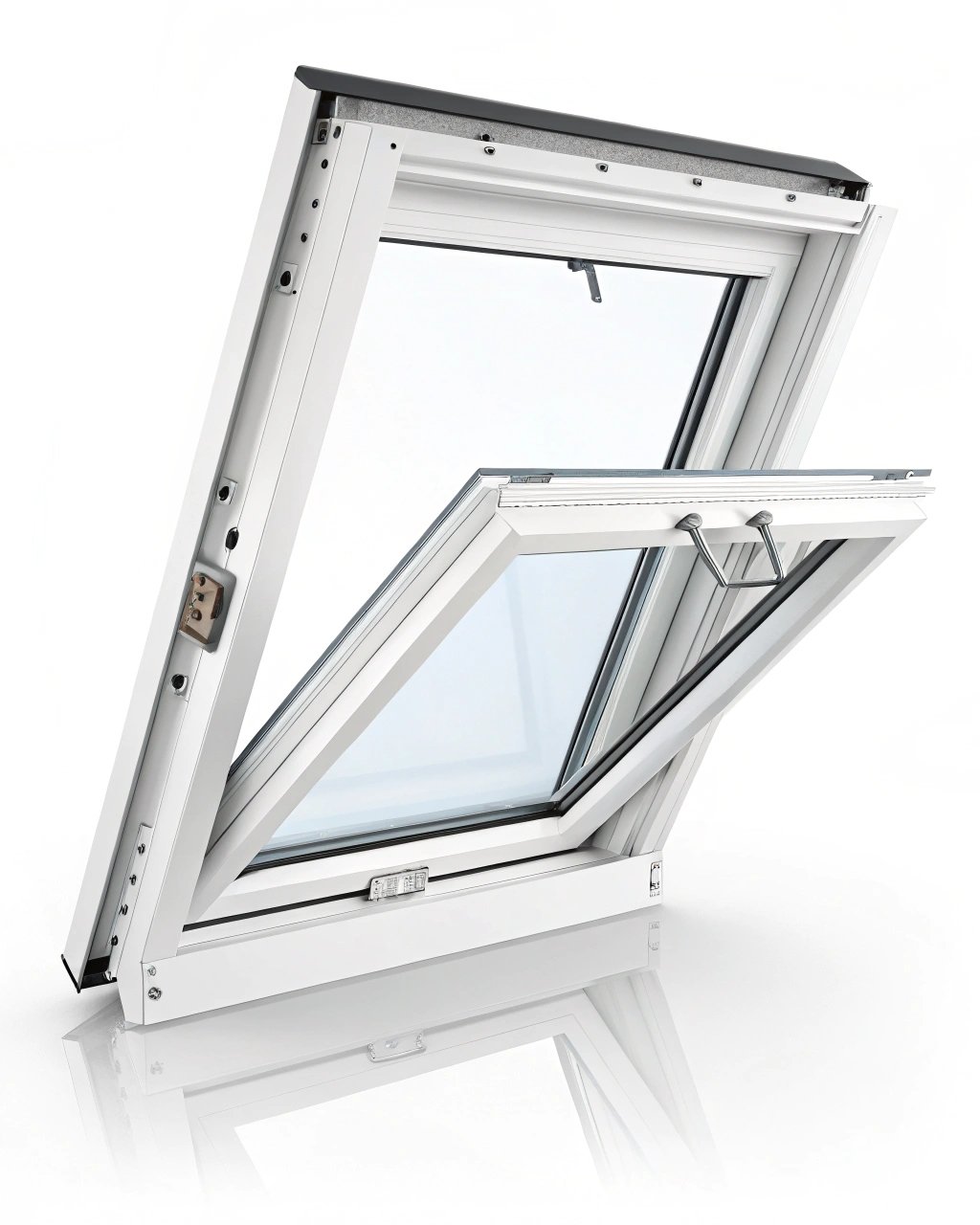
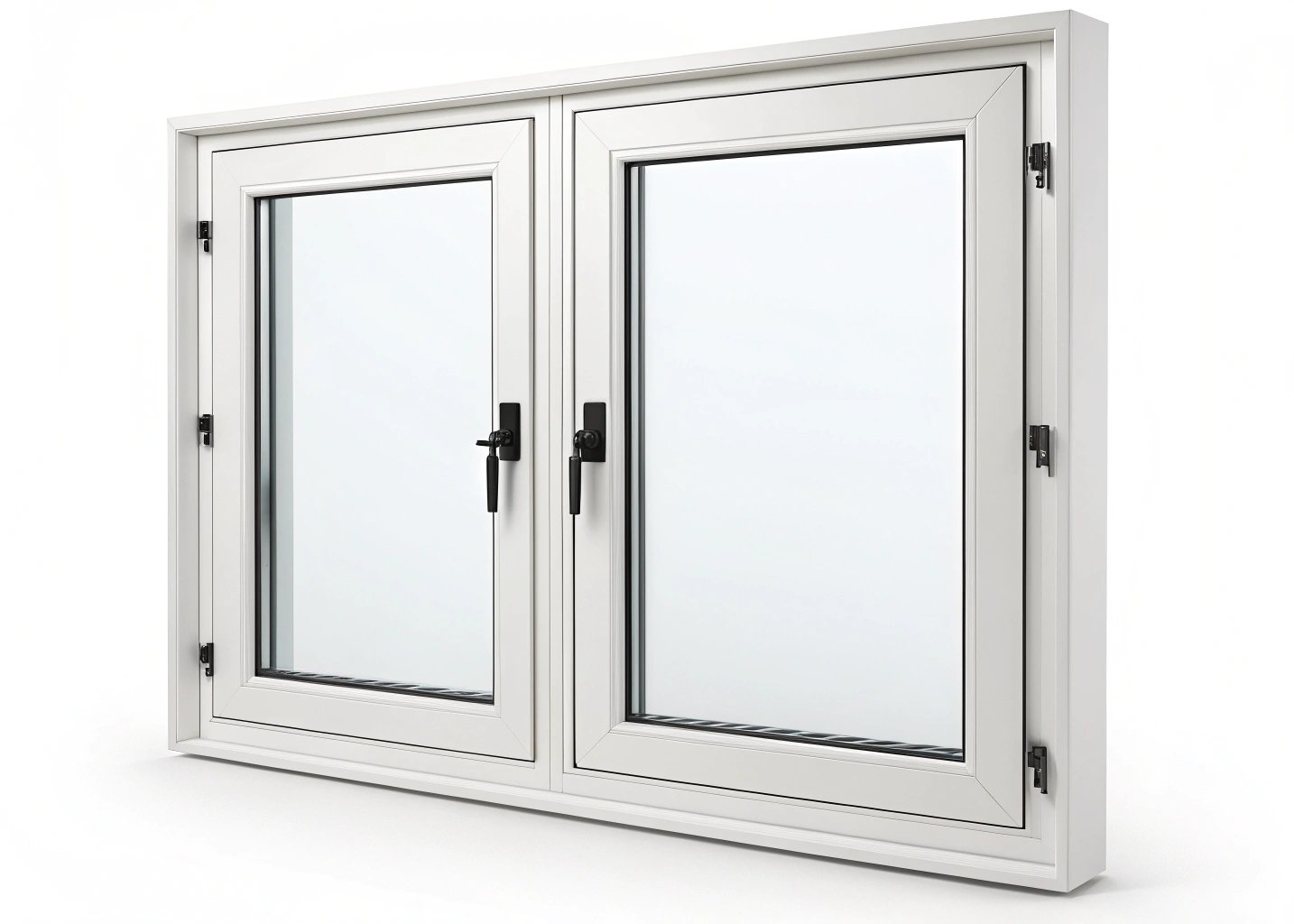
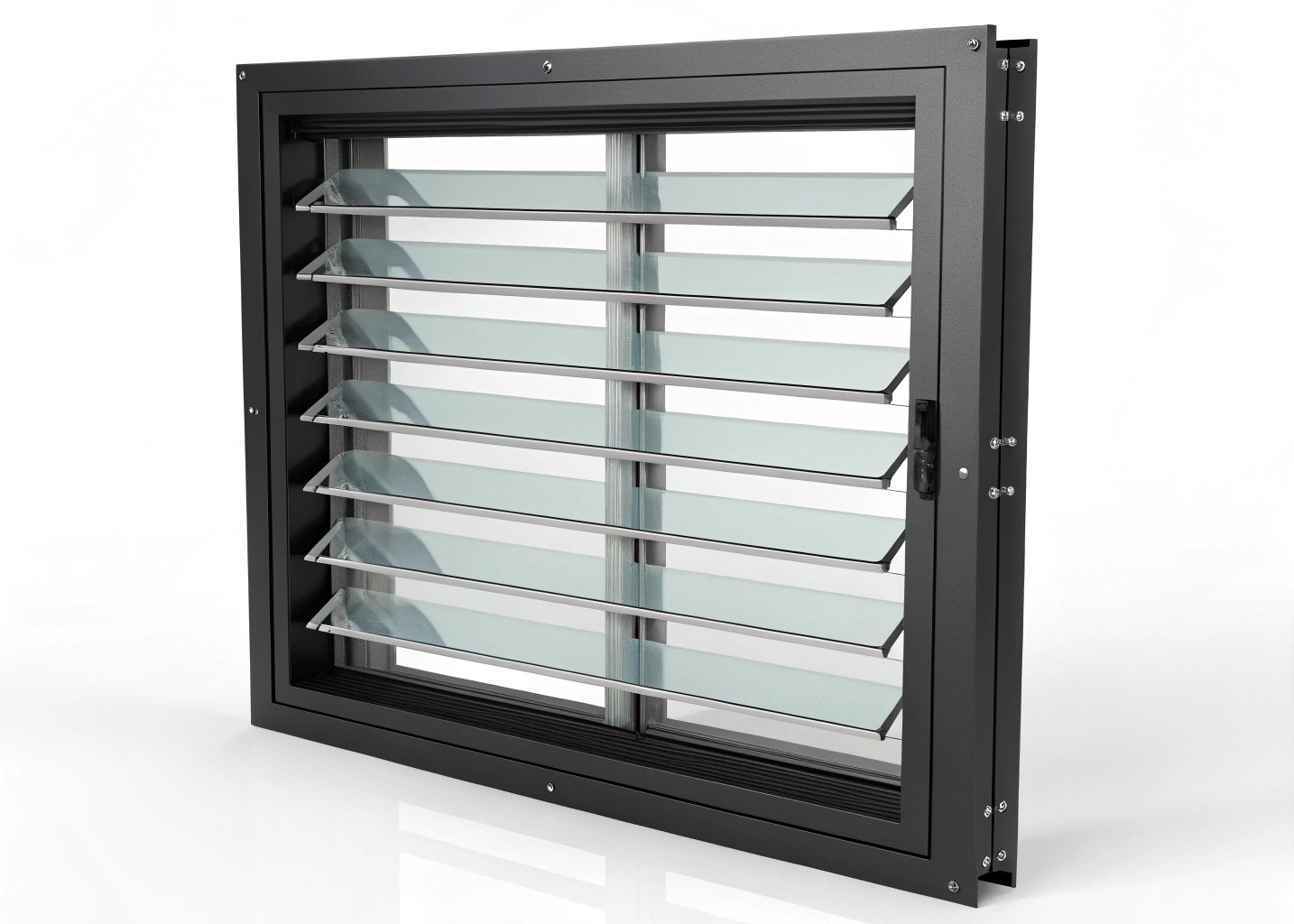
Aluminum window frames are widely used for their strength and modern appearance, but they are not without limitations that should be understood before specification.
The main disadvantages of aluminum window frames relate to thermal conductivity, initial cost, and performance differences between basic and well-engineered systems.
These disadvantages are not inherent flaws, but factors influenced by system design, manufacturing quality, and application conditions.
Does Aluminum Transfer Heat More Easily?
Thermal conductivity is the most discussed drawback.
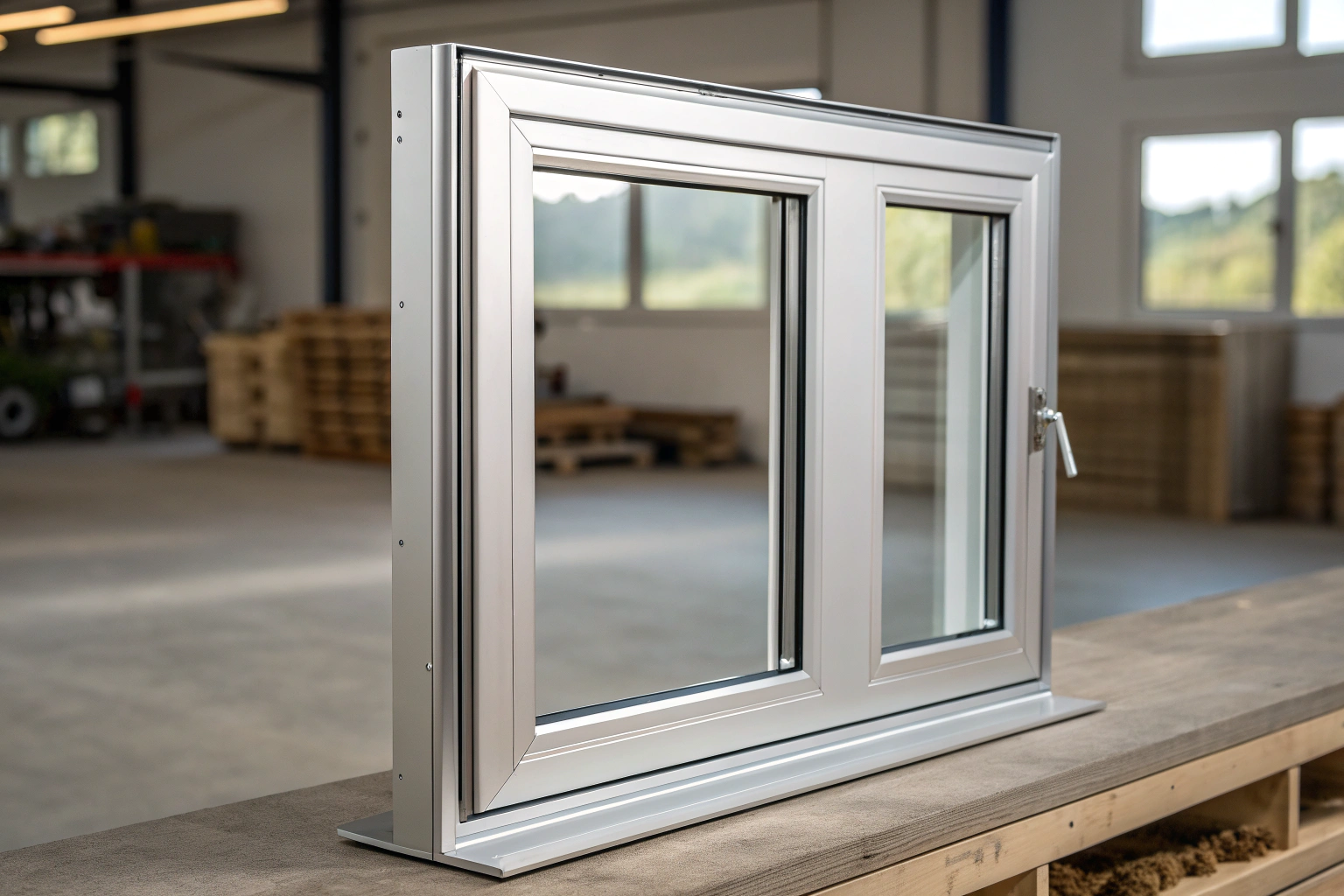
Aluminum naturally conducts heat faster than materials such as uPVC or wood.
In basic aluminum window frames without thermal breaks, heat transfers directly from outside to inside. This can lead to heat loss in winter, heat gain in summer, and increased condensation risk on interior surfaces.
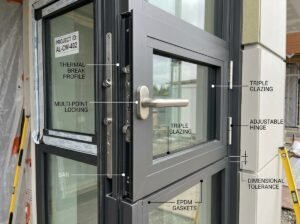
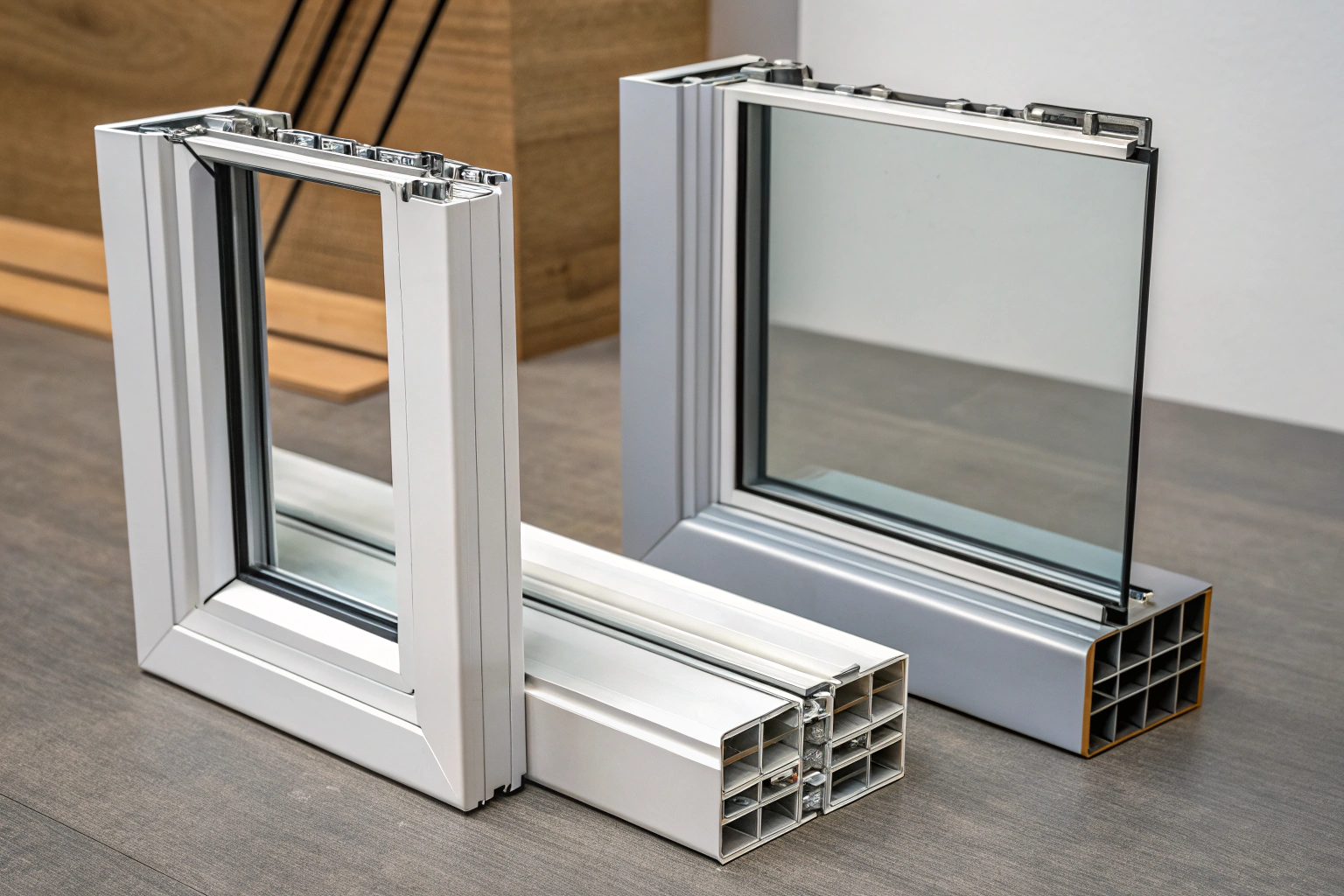
From a manufacturing perspective, this issue is addressed through thermal-break technology. PA66 insulation strips are inserted between inner and outer aluminum sections during production. Without this process, aluminum frames perform poorly in energy efficiency. Therefore, non-thermal aluminum frames are a disadvantage in climates with strong temperature differences.
Are Aluminum Windows More Expensive Initially?
Cost is another commonly cited concern.
Aluminum window frames usually have a higher upfront cost than uPVC systems.
The higher price comes from architectural-grade aluminum alloys, extrusion processes, surface finishing, and often thermal-break construction. Manufacturing requires CNC machining, coating lines, and strict quality control, all of which add to production cost.
While aluminum offers longer lifespan and better structural stability, projects with tight initial budgets may find the upfront investment higher compared to simpler window materials.
Can Poor-Quality Aluminum Frames Perform Badly?
Not all aluminum windows offer the same performance.
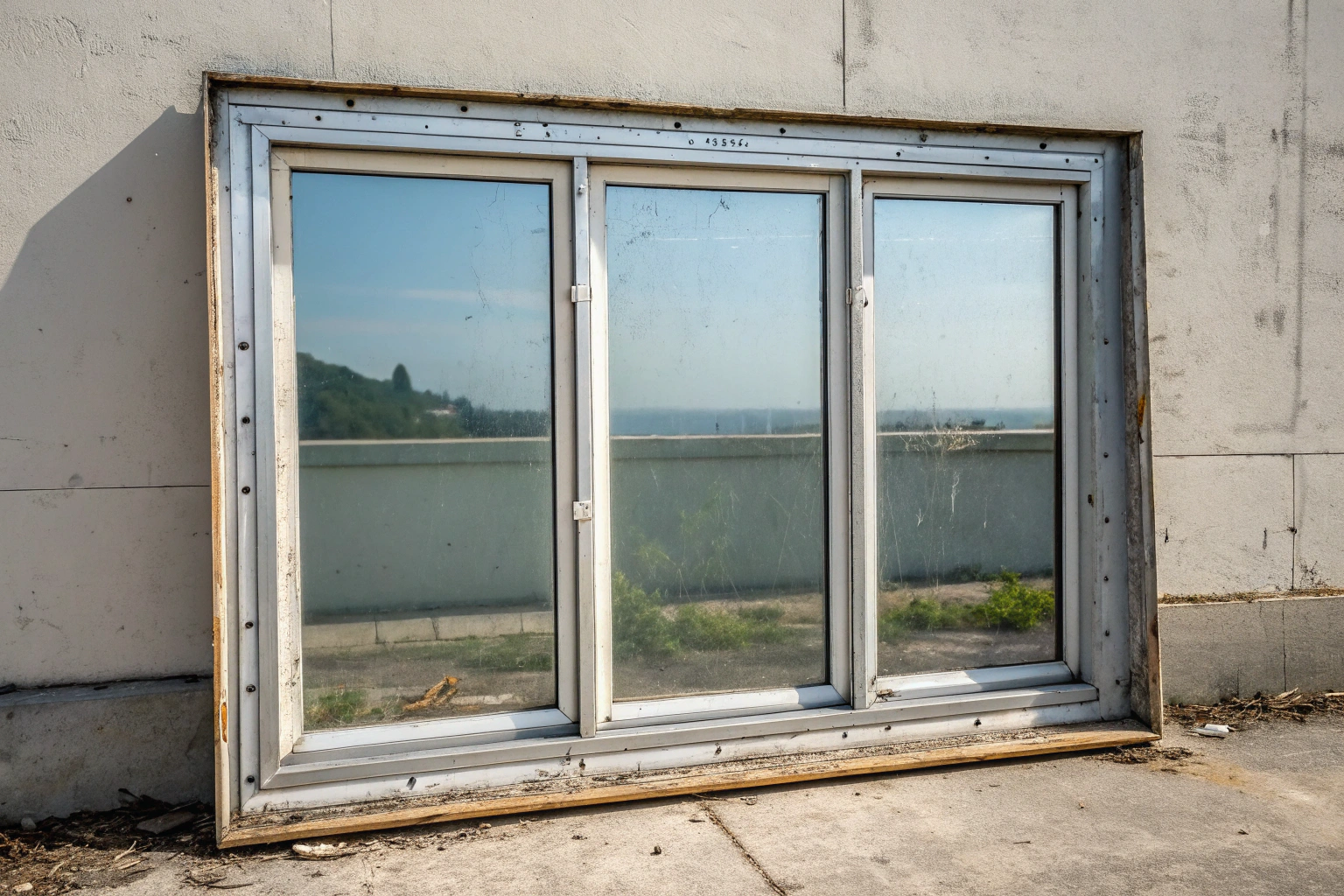
Low-quality aluminum frames can suffer from deformation, air leakage, and poor sealing if poorly engineered.
Thin profiles, uncontrolled alloy composition, or weak corner joints reduce long-term stability. In manufacturing, insufficient aging, uneven wall thickness, or poor assembly can lead to frames twisting under glass weight or wind load.
These problems are not caused by aluminum itself, but by inadequate manufacturing standards. Frames produced in facilities without full extrusion, testing, and quality control are more likely to show these issues.
Is Condensation a Common Issue with Aluminum Frames?
Condensation can occur under certain conditions.
Aluminum frames without proper insulation are more prone to condensation than insulated systems.
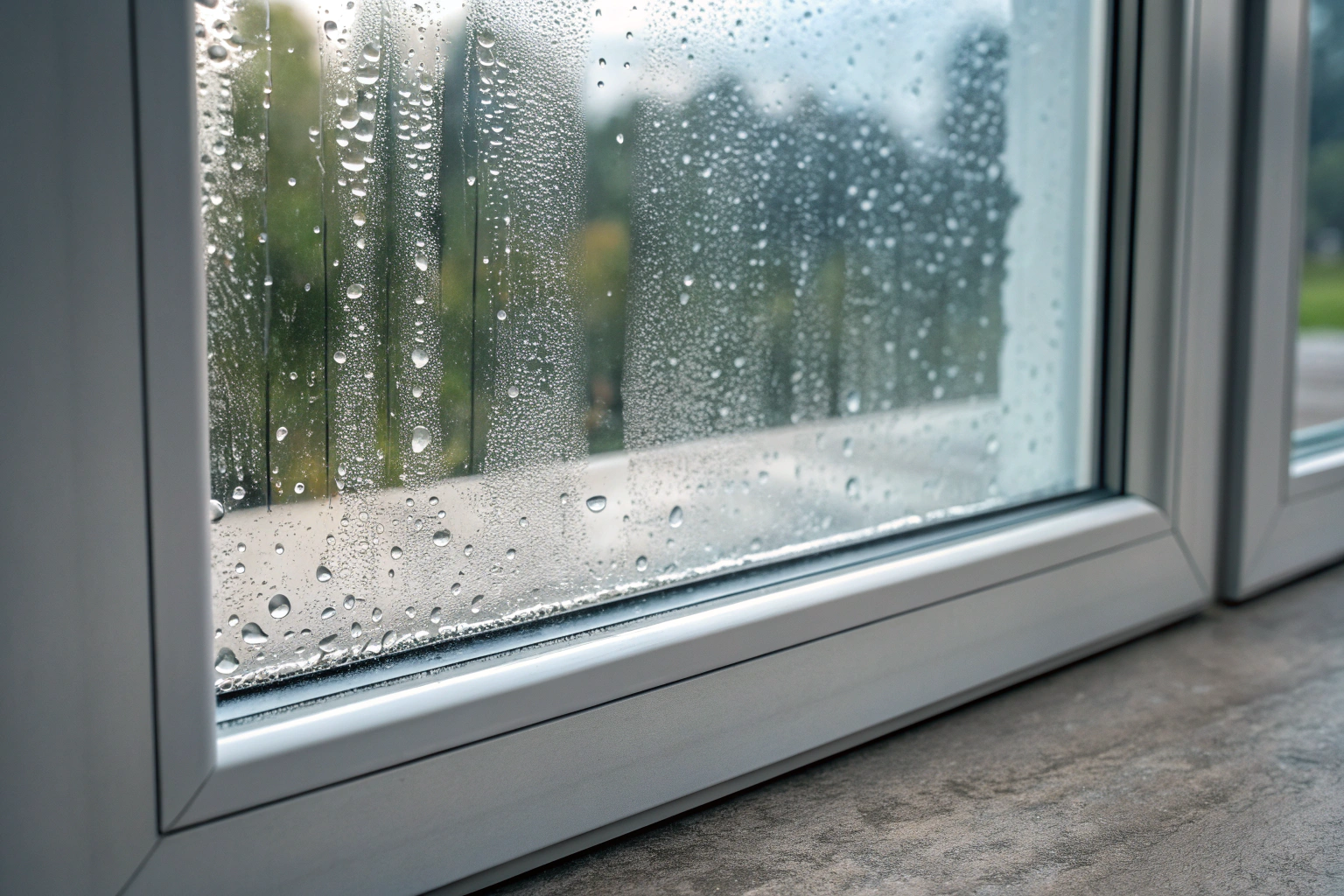
When the interior surface of the frame becomes cold, moisture from indoor air condenses on it. This is common with non-thermal aluminum frames or systems with weak seals.
Manufacturing solutions include thermal breaks, multi-chamber profile design, Low-E glass, and warm-edge spacers. Without these features, condensation remains a practical disadvantage in cold or humid climates.
Do Aluminum Frames Require Careful Surface Protection?
Surface finishing quality directly affects durability.
Aluminum frames rely heavily on proper surface treatment to resist corrosion and fading.
Poor coating application may lead to chalking, discoloration, or corrosion, especially in coastal or industrial environments. Manufacturing facilities address this through multi-stage pretreatment, controlled powder coating, anodizing, or PVDF finishing.
Frames with low-quality coatings may age poorly, making surface durability a potential disadvantage if production standards are not high.
Are Aluminum Windows Less Forgiving in Installation?
Installation quality has a strong impact on performance.
Aluminum window frames require precise installation to maintain sealing and alignment.
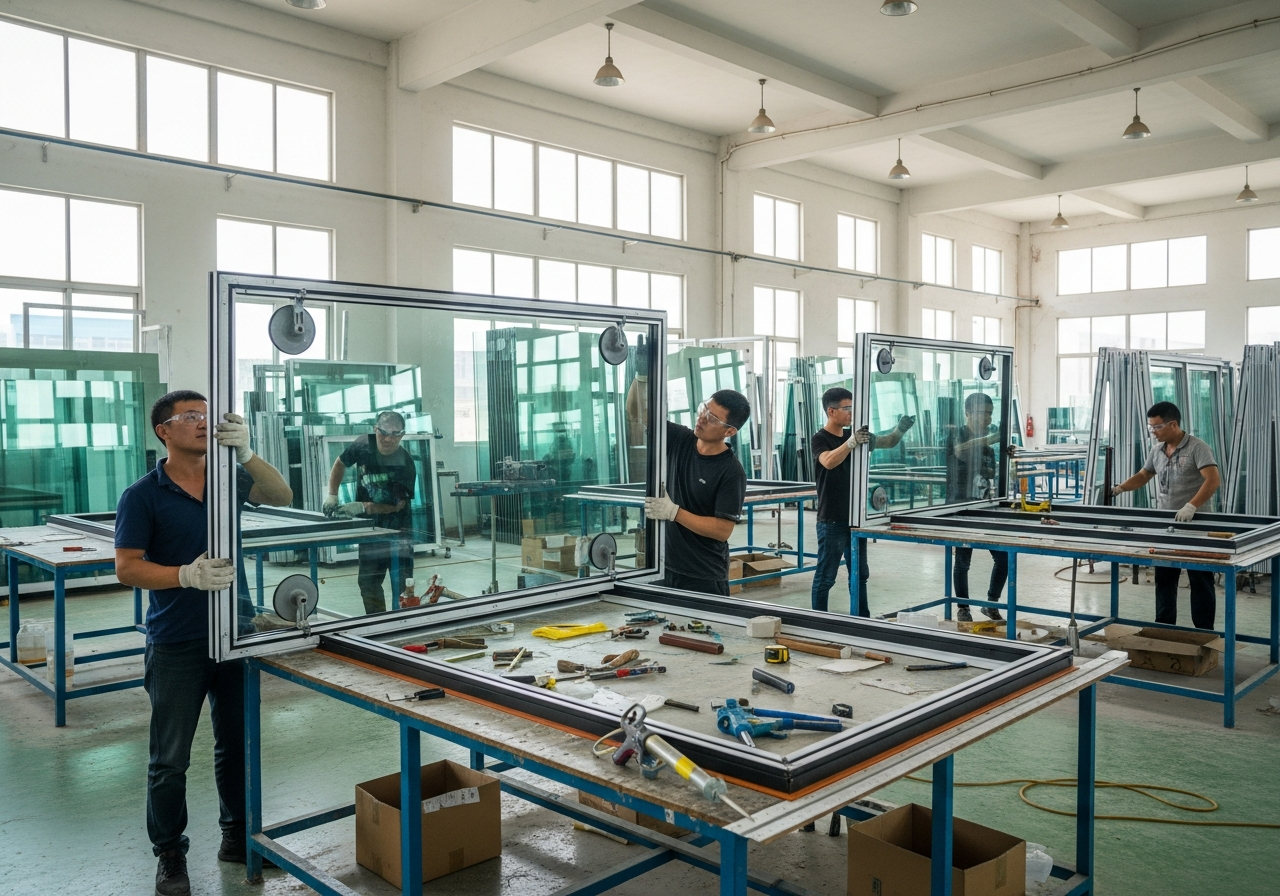
Because aluminum frames are rigid, installation errors such as poor alignment or inadequate anchoring can lead to sealing issues or operational problems. Manufacturing bases often provide detailed installation drawings and guidance to reduce this risk.
This makes aluminum less forgiving than flexible materials if installation is rushed or poorly executed.
How Do These Disadvantages Affect Real Projects?
Disadvantages appear mainly when systems are under-specified.
Most disadvantages of aluminum window frames occur when thermal breaks, profile thickness, or manufacturing quality are compromised.
When engineered correctly, aluminum windows overcome many of these limitations. However, using basic systems in demanding environments often leads to dissatisfaction.
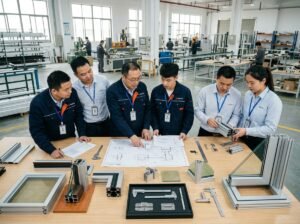
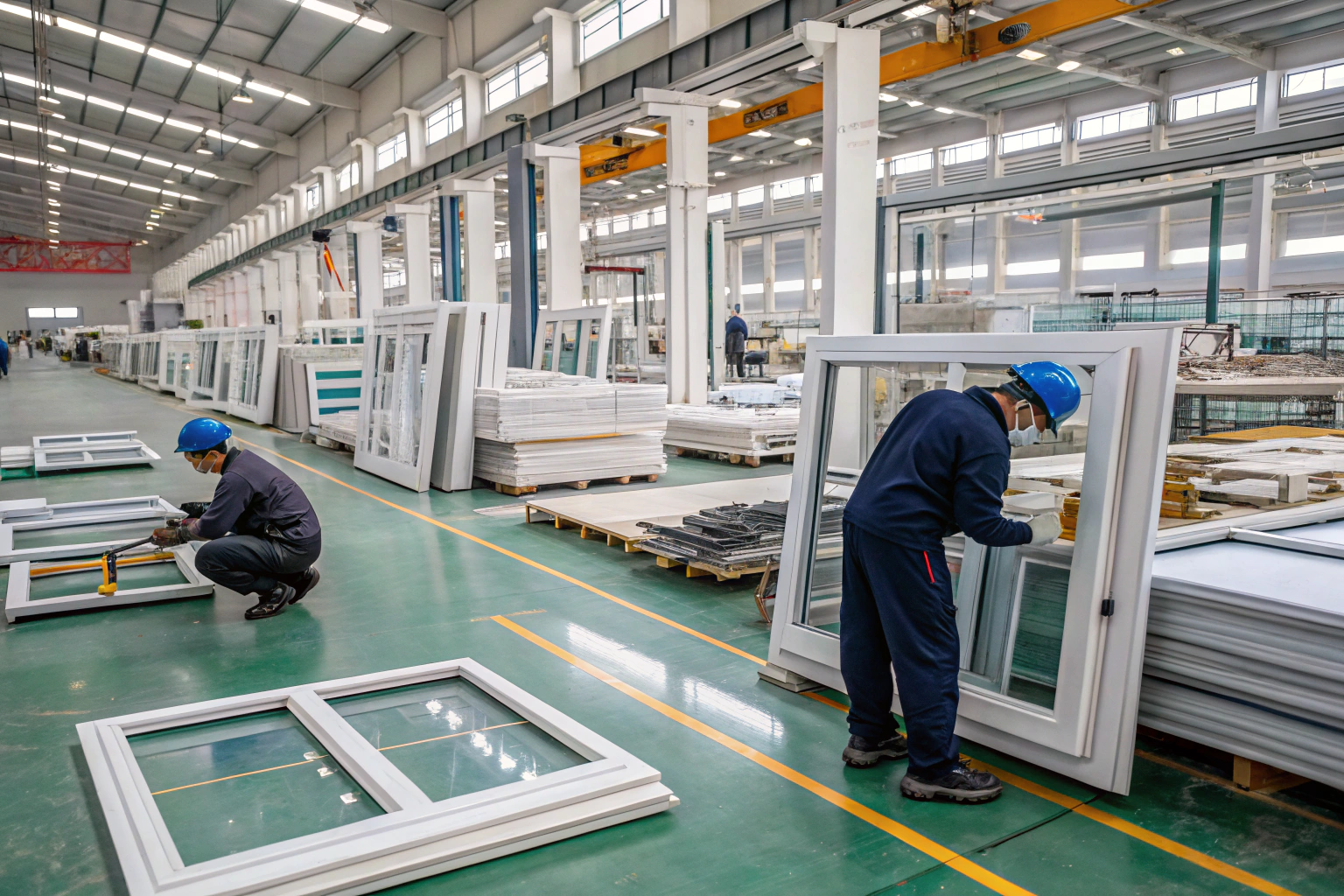
Manufacturers with R&D teams, testing labs, and full production control adjust profile design, insulation, and coating to match project conditions, reducing the impact of these disadvantages.
Conclusion
The main disadvantages of aluminum window frames include higher thermal conductivity, higher initial cost, reliance on proper surface finishing, and sensitivity to manufacturing and installation quality. Non-thermal aluminum frames may also experience condensation and poor energy performance in certain climates.
Manufacturing facilities equipped with extrusion presses, thermal-break assembly lines, CNC machining centers, coating workshops, glazing production, and performance testing laboratories address these challenges through proper system engineering. Project teams are welcome to visit the factory, review production processes, and develop aluminum window solutions that minimize disadvantages while maximizing long-term performance and durability.