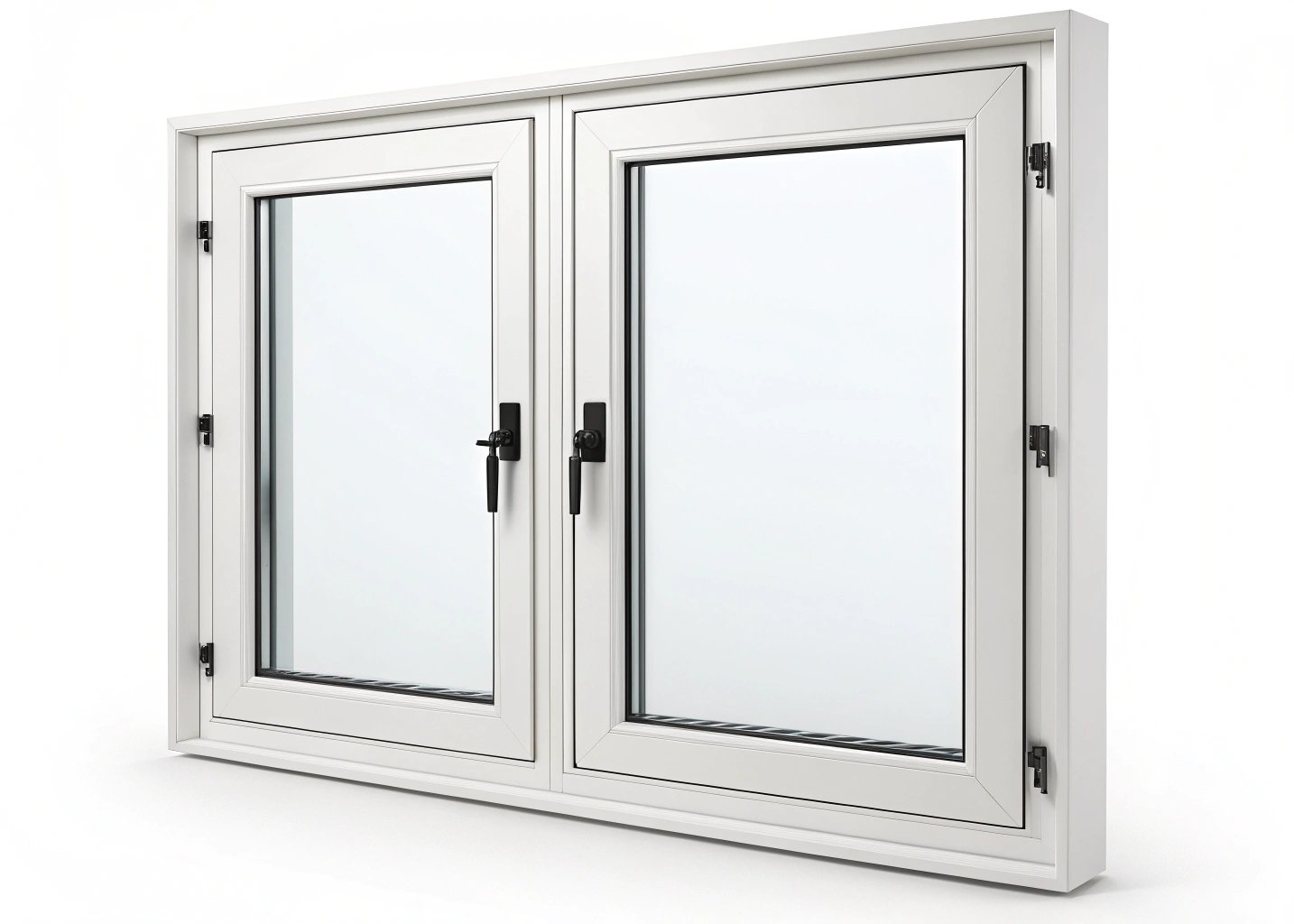
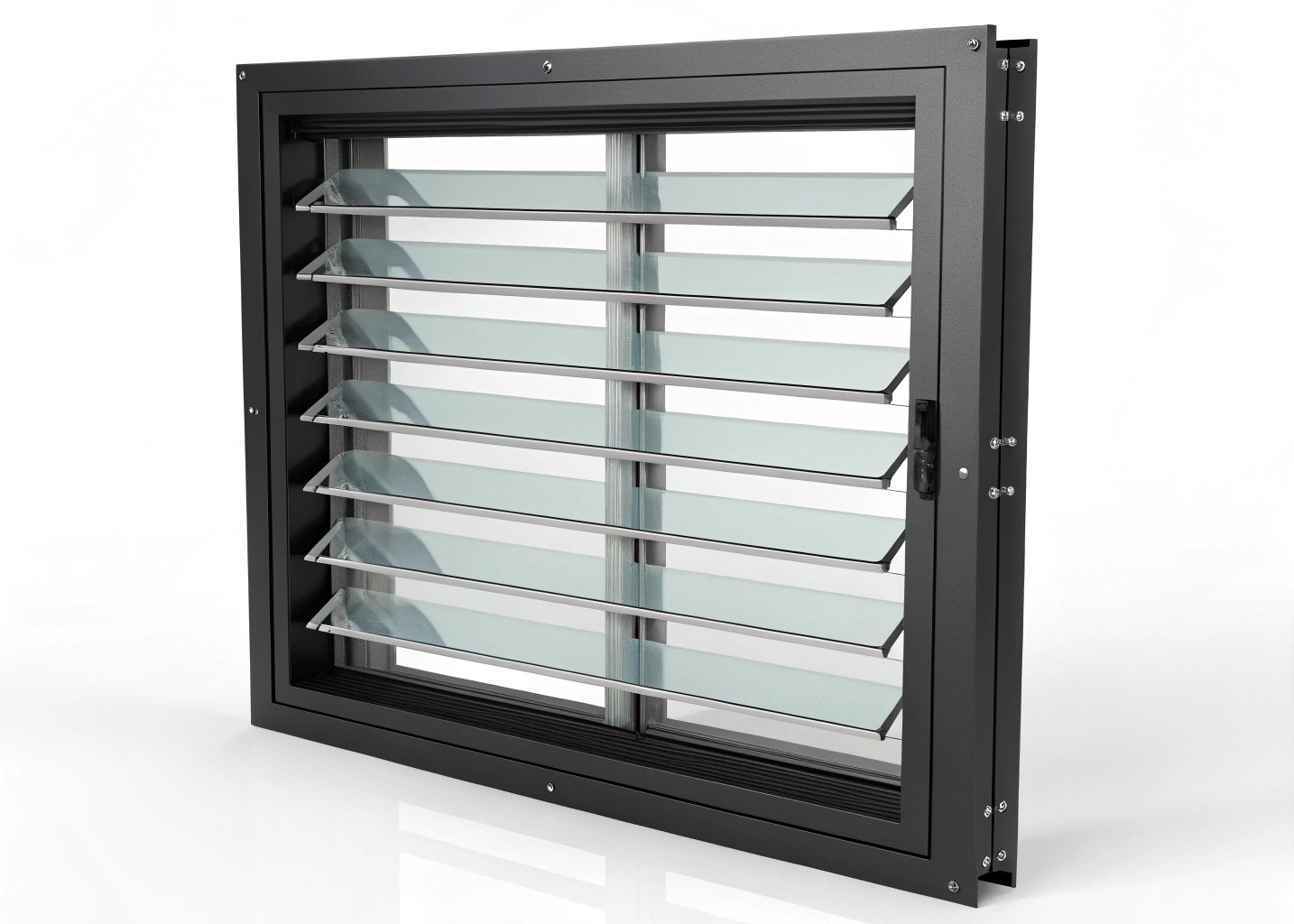
Choosing between uPVC and aluminium windows often leads to long-term dissatisfaction when the decision is based only on price, appearance, or short-term performance assumptions.
Neither uPVC nor aluminium is universally better. uPVC prioritizes thermal insulation and cost control, while aluminium excels in structural strength, durability, and system flexibility. The better choice depends on application, climate, size, and manufacturing quality.
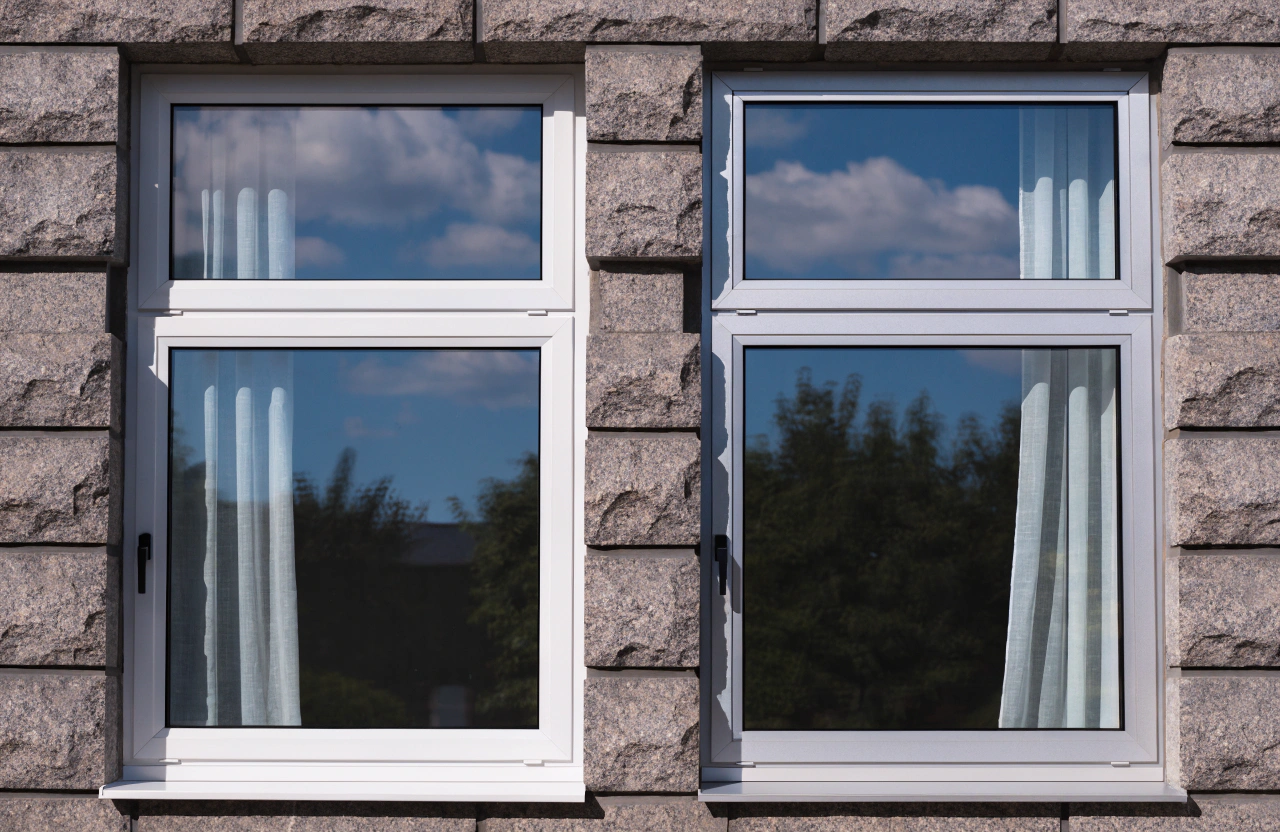
Window frames are engineered systems, not interchangeable materials. The real difference between uPVC and aluminium becomes clear only when performance over time, production process, and system limits are considered together.
How Do uPVC and Aluminium Compare in Thermal Performance?
Thermal insulation is the most discussed difference.
uPVC frames naturally provide better thermal insulation, while aluminium relies on thermal break systems to control heat transfer.
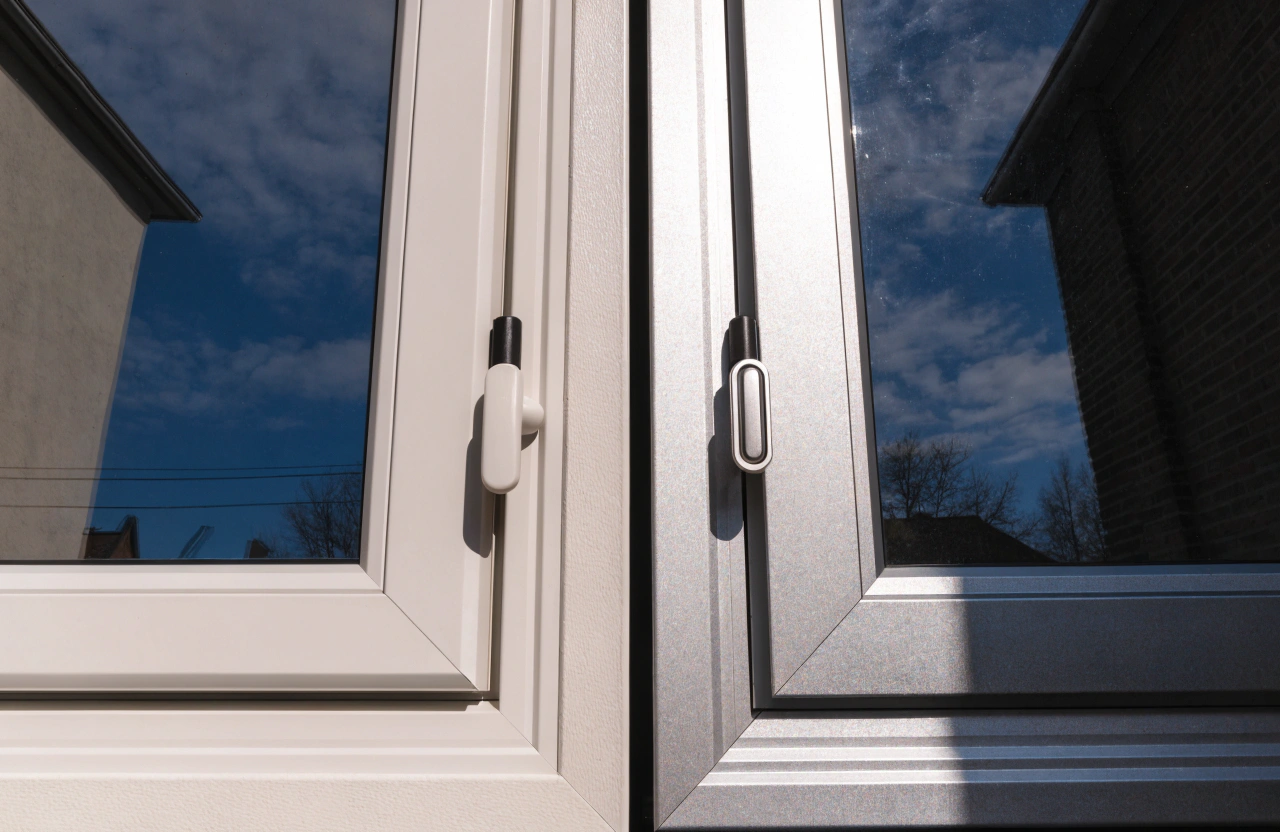
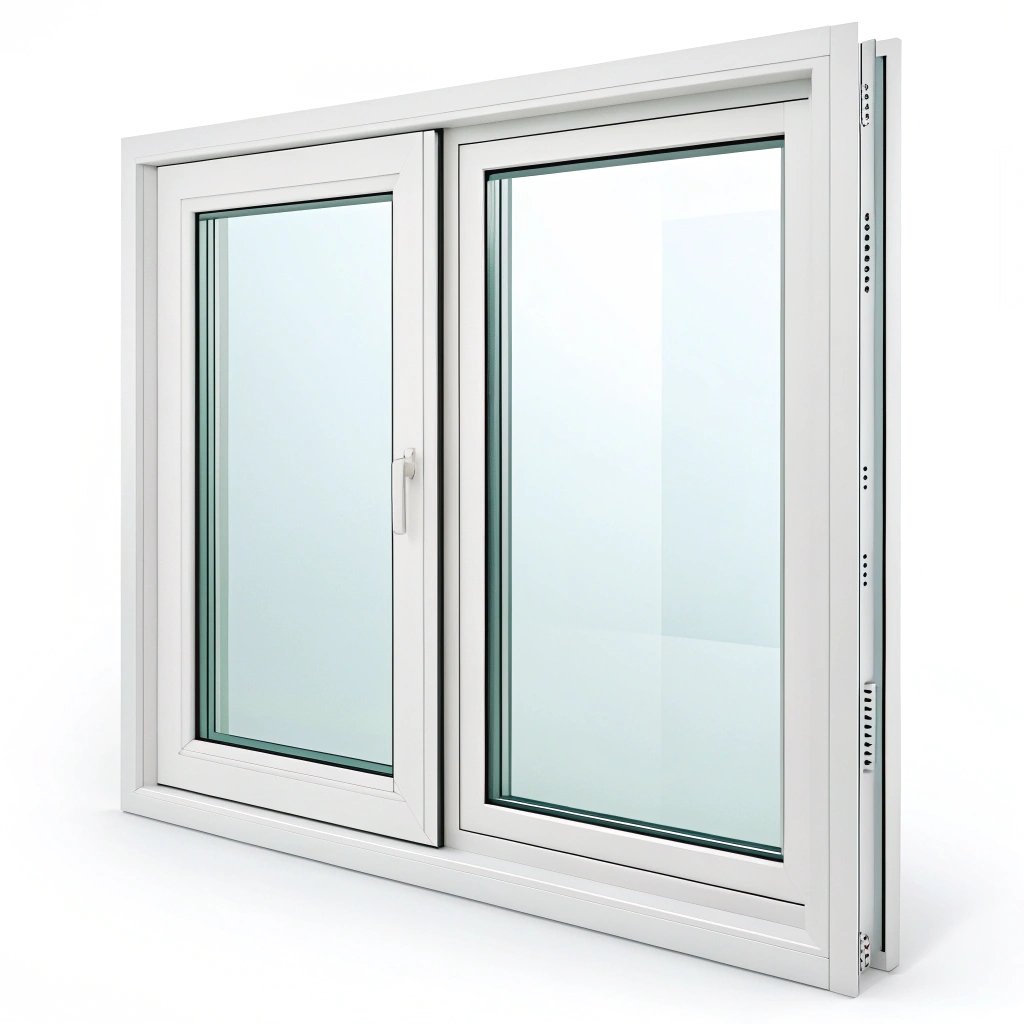
uPVC has low thermal conductivity by nature. Multi-chamber profile designs trap air and reduce heat loss, making uPVC effective for moderate climates and standard-sized openings. This insulation advantage is inherent and does not rely heavily on additional components.
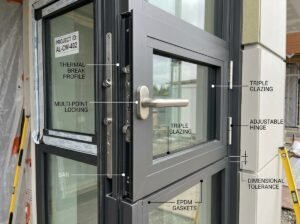
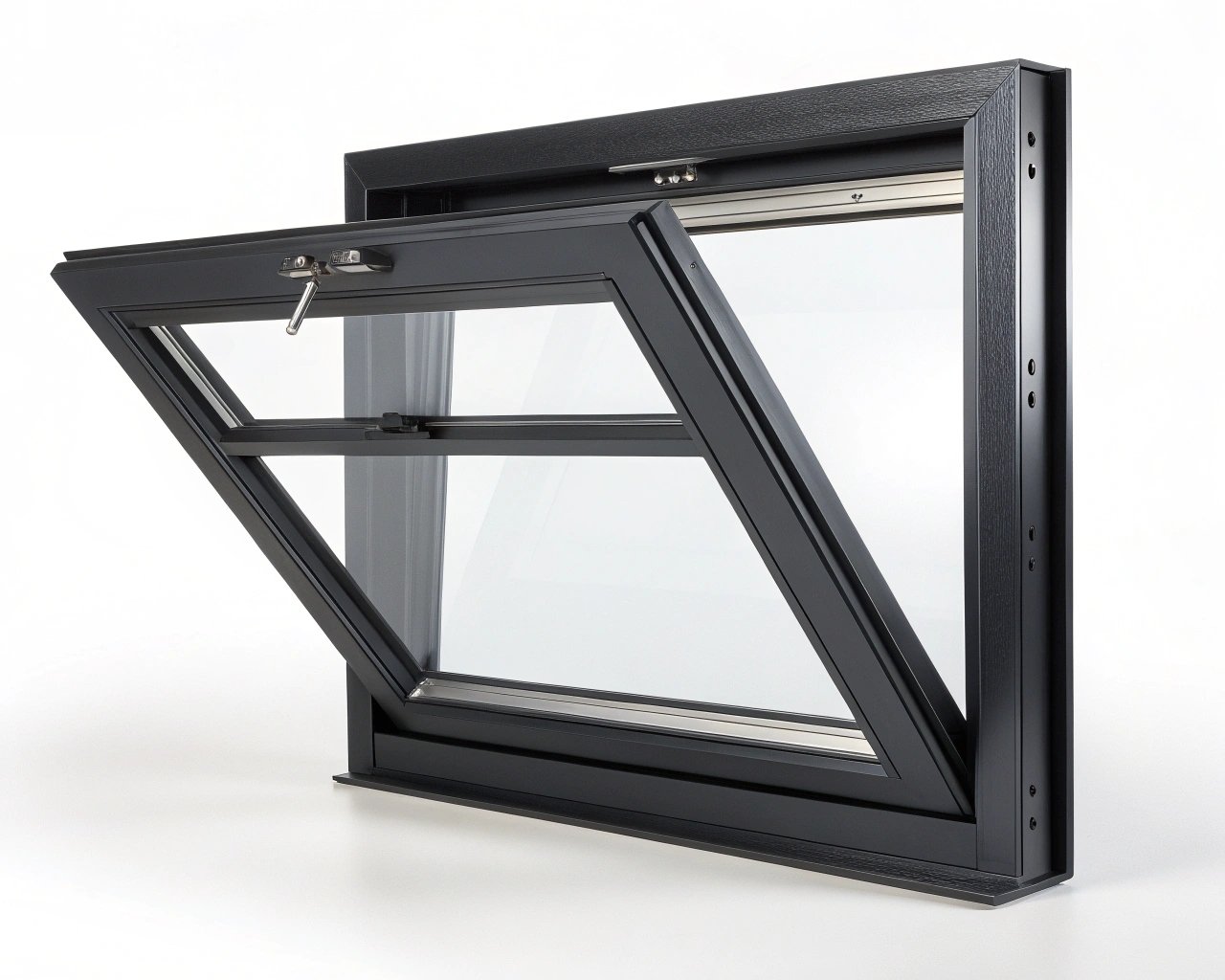
Aluminium, however, conducts heat rapidly. To achieve acceptable insulation, aluminium window systems use polyamide thermal breaks to separate interior and exterior profiles. When thermal break width, material quality, or assembly accuracy is insufficient, thermal performance declines sharply.
In high-quality systems, thermally broken aluminium can meet strict insulation standards. In poorly executed systems, aluminium windows often underperform, creating the perception that aluminium is inherently inferior in insulation.
Which Material Is Structurally Stronger?
Structural capacity is where aluminium clearly leads.
Aluminium frames provide significantly higher strength and rigidity than uPVC, especially for large openings and heavy glazing.

Aluminium maintains shape under wind load, temperature changes, and repeated use. This allows slimmer profiles, larger glass panels, and better long-term alignment of hardware and seals.
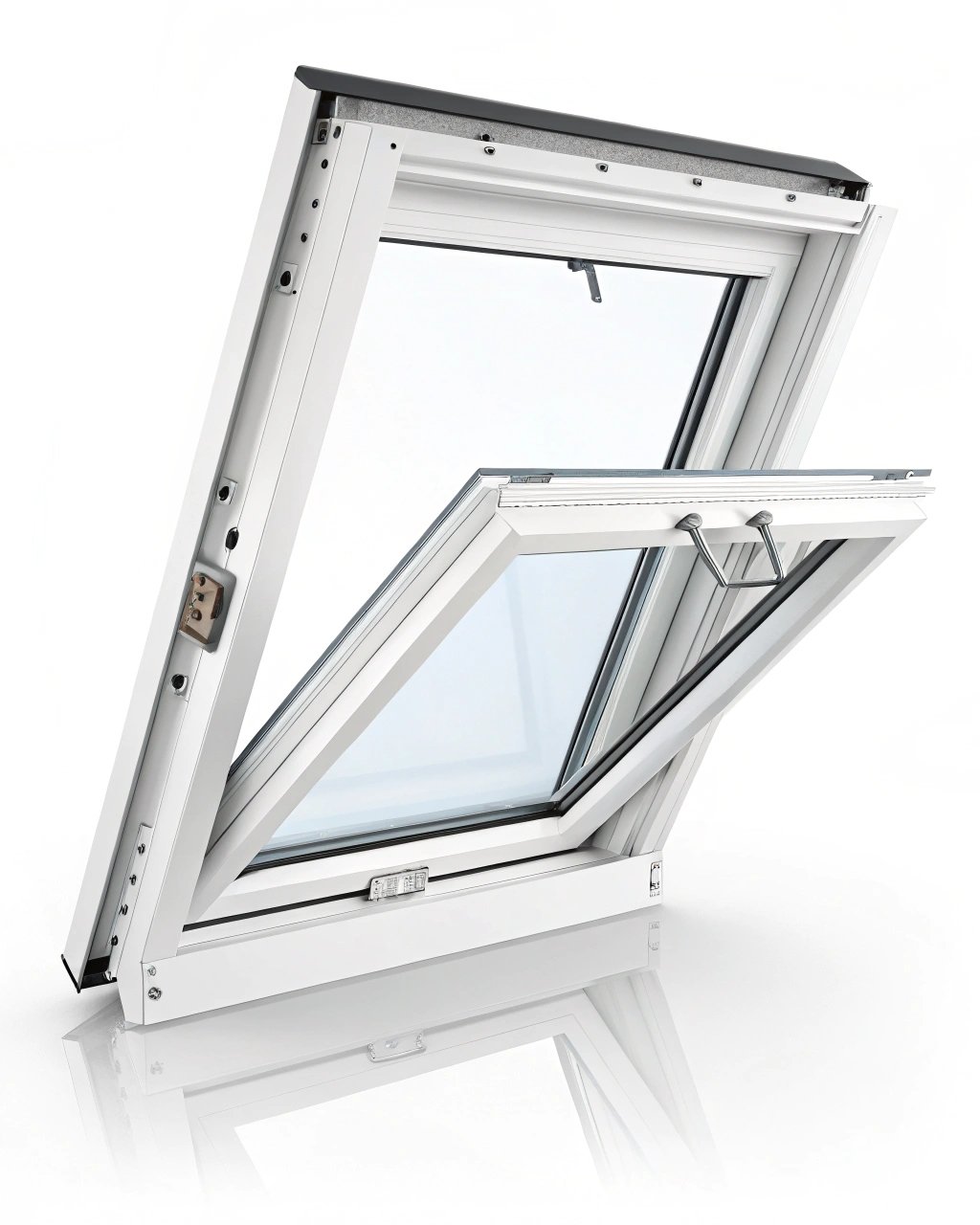
uPVC frames depend on internal steel reinforcement to achieve acceptable rigidity. If reinforcement design or installation is inadequate, frames may deform, particularly in hot climates or oversized openings. Even with reinforcement, uPVC profiles are typically thicker, reducing glass area and visual openness.
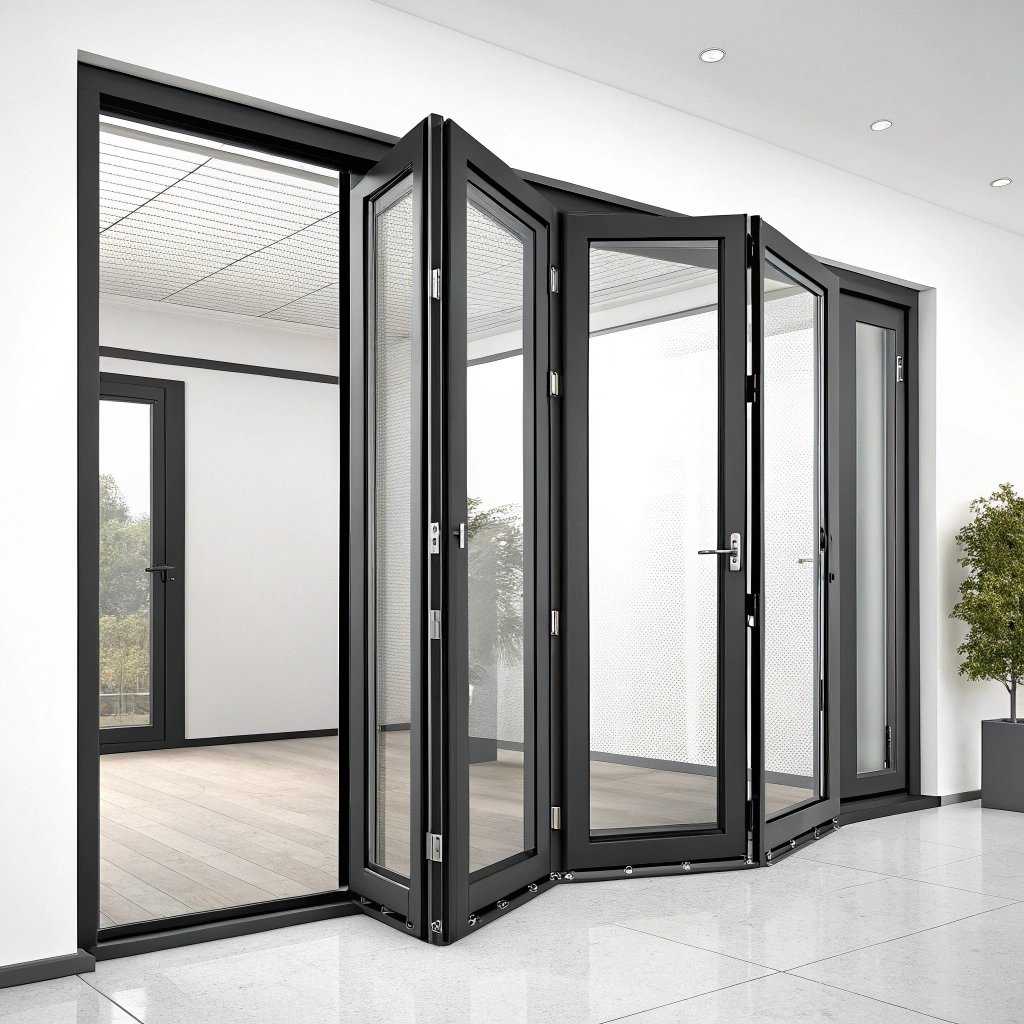
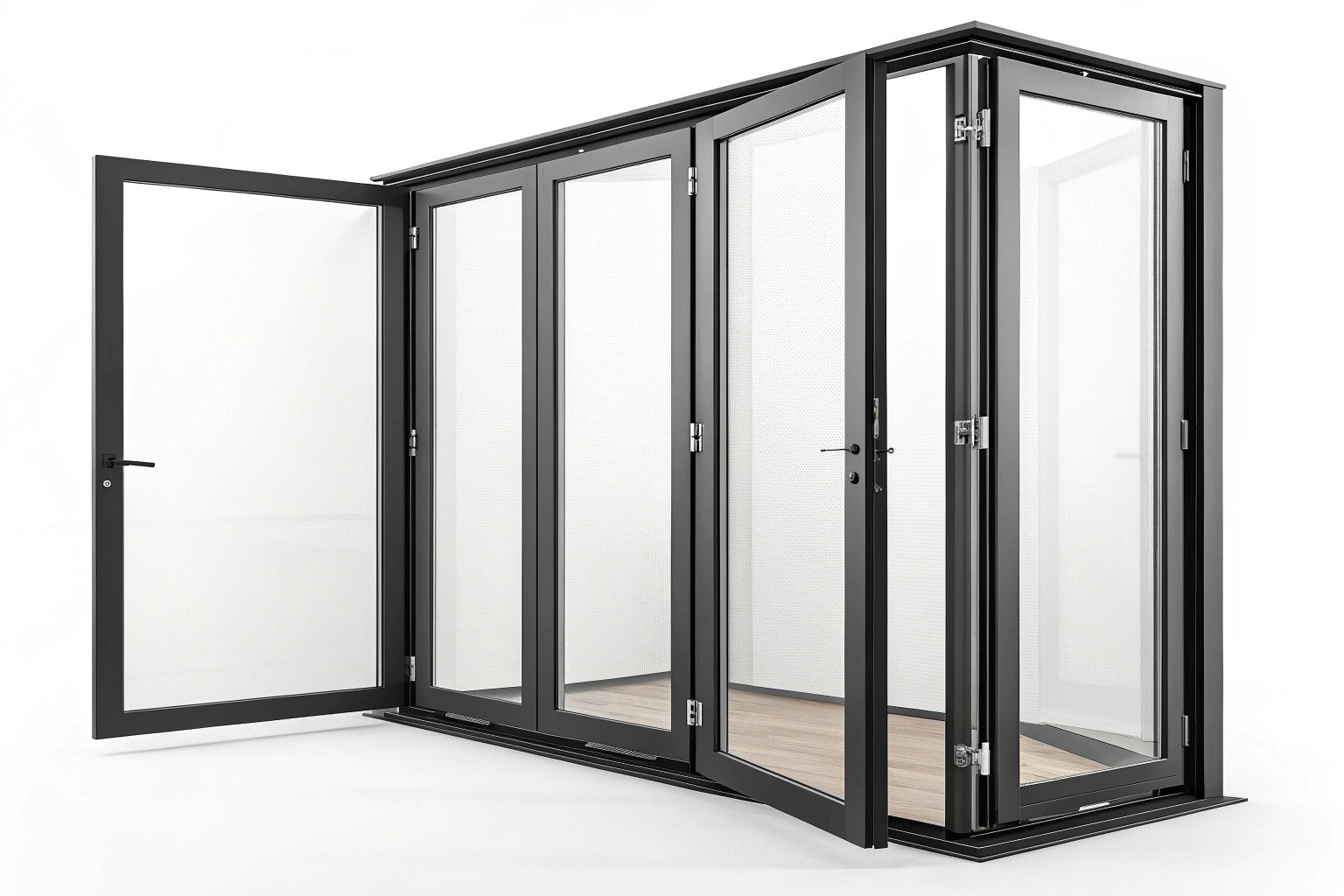
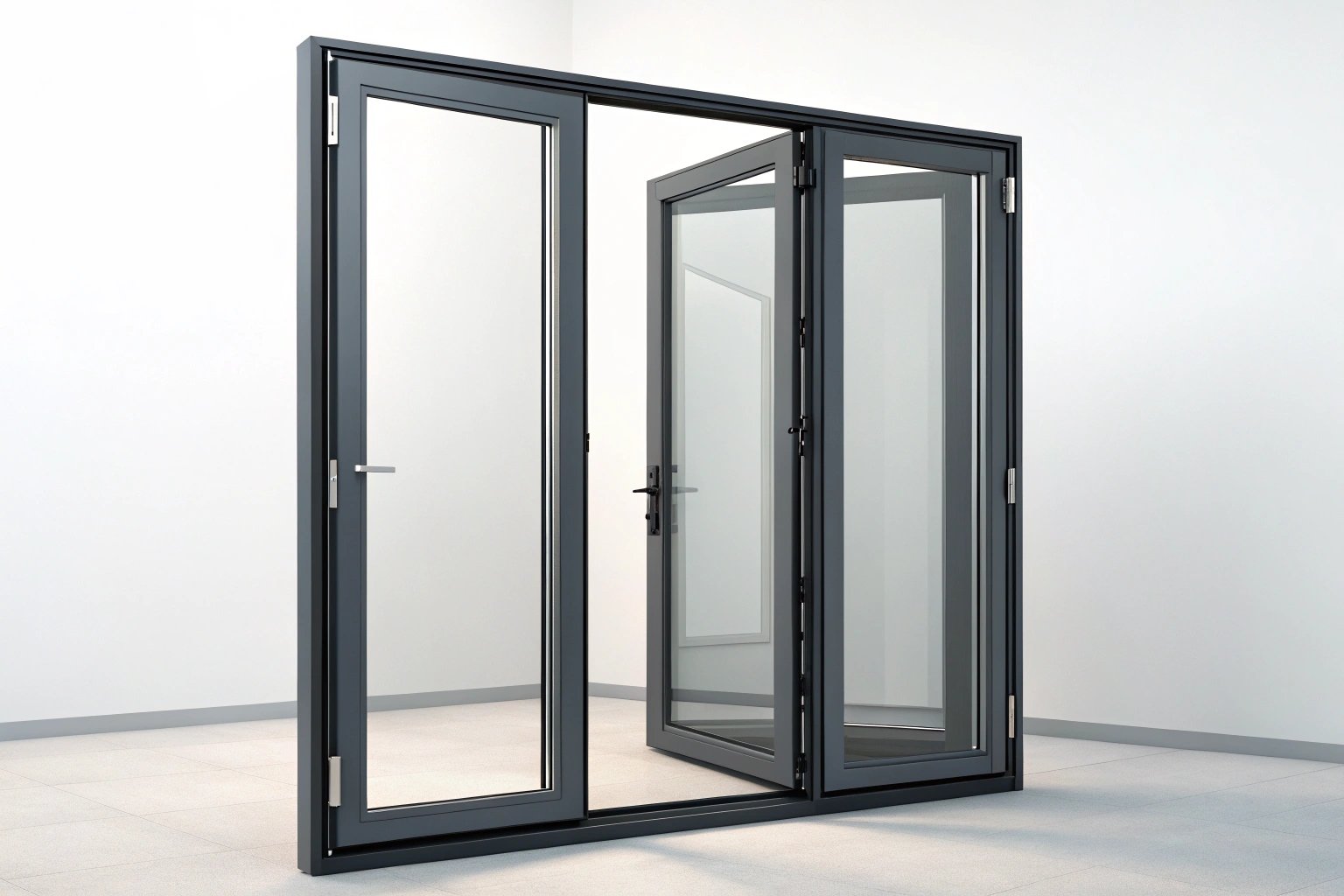
For large sliding doors, tall windows, or high-rise applications, aluminium offers far more reliable structural performance.
How Do uPVC and Aluminium Perform Over Time?
Long-term behavior often determines true value.
Aluminium generally offers greater long-term durability, while uPVC lifespan depends heavily on formulation quality and environmental exposure.

Aluminium does not warp, crack, or become brittle. With proper anodizing or powder coating, it resists UV exposure, moisture, and corrosion for decades.
uPVC performance varies widely. High-quality formulations perform well, but low-grade uPVC can discolor, become brittle, or lose dimensional stability under prolonged sunlight and heat. Reinforcement corrosion and welded corner fatigue also affect lifespan.
Durability differences are often not visible in the first few years but become evident after long-term use.
How Do Design and Appearance Differ?
Aesthetic flexibility influences architectural outcomes.
Aluminium offers slimmer profiles and broader design freedom, while uPVC prioritizes functional simplicity.
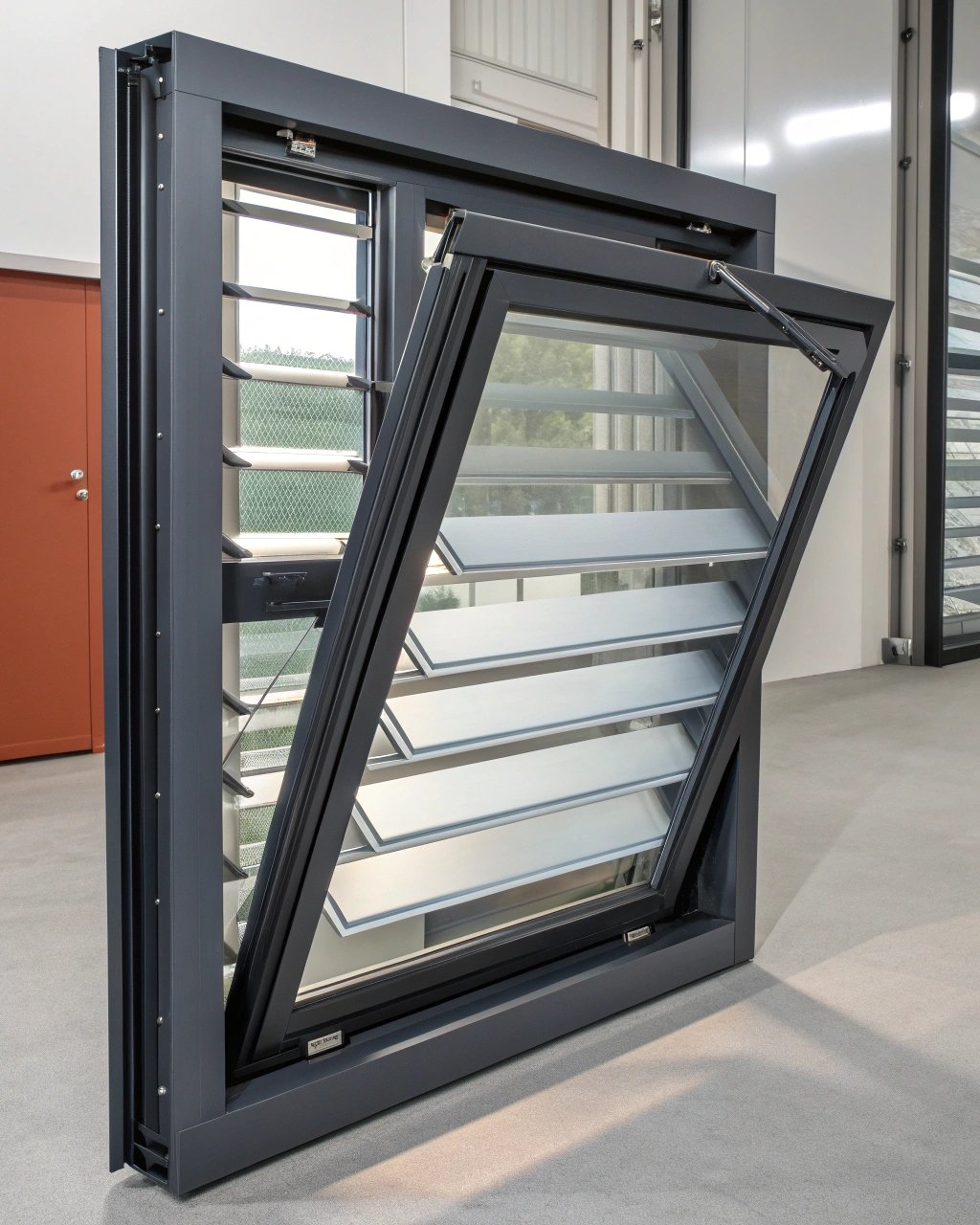
Aluminium profiles can be extruded into complex shapes with precise details, enabling minimal sightlines and modern architectural styles. Surface finishes include anodizing and high-quality powder coating with long color stability.
uPVC profiles are thicker due to structural requirements. Color options are often limited to white or laminated finishes, which may fade or peel over time depending on quality.
For projects emphasizing clean lines, large glazing areas, and modern aesthetics, aluminium systems provide greater flexibility.
How Does Manufacturing Quality Affect Both Materials?
Factory process control defines real performance.
Both uPVC and aluminium windows depend heavily on manufacturing accuracy, system design, and quality inspection.
uPVC production requires stable extrusion, accurate steel reinforcement placement, precise corner welding, and controlled cooling. Small deviations in welding temperature or reinforcement alignment can weaken the frame.
Aluminium production involves extrusion accuracy, CNC machining, thermal break crimping, surface treatment, and precise corner assembly. Errors in any stage lead to air leakage, poor insulation, or operational issues.
Factories with in-house design, R&D, and testing develop window systems as complete solutions rather than assembling generic parts. This system-level manufacturing approach is often more important than the material choice itself.
Which Material Is More Suitable for Different Applications?
Application context determines suitability.
uPVC is suitable for standard residential windows and moderate climates, while aluminium is better for large openings, demanding environments, and long-term performance requirements.
uPVC performs well in low-rise residential settings with controlled opening sizes and a strong focus on insulation and cost efficiency. Aluminium excels in projects requiring structural strength, slim profiles, durability, and design flexibility.
Many performance complaints arise when materials are used outside their optimal application range, such as oversized uPVC frames or poorly insulated aluminium systems.
Conclusion
There is no single answer to whether uPVC or aluminium is better. Each material serves different priorities. uPVC offers natural thermal insulation and cost efficiency, making it suitable for many standard residential applications. Aluminium delivers superior strength, durability, and design flexibility, especially when combined with well-engineered thermal break systems.
Most problems associated with either material are not caused by the material itself, but by poor system design, inconsistent manufacturing, or incorrect application. Oversimplifying the decision based on price or insulation claims often leads to long-term performance issues.
The most reliable approach is to evaluate window systems as engineered products. Structural demands, climate exposure, opening size, usage intensity, and manufacturing capability must all be considered together. When uPVC or aluminium systems are properly designed and produced under controlled factory processes, both can deliver stable, long-lasting performance. The better choice is ultimately the one that aligns with real project conditions rather than generic material comparisons.