Incorrect measurement is one of the most frequent causes of bifold door installation failure, production delay, and long-term operational problems. Because bifold doors are multi-panel systems with moving components, measurement accuracy directly affects structural stability, sealing performance, and service life.
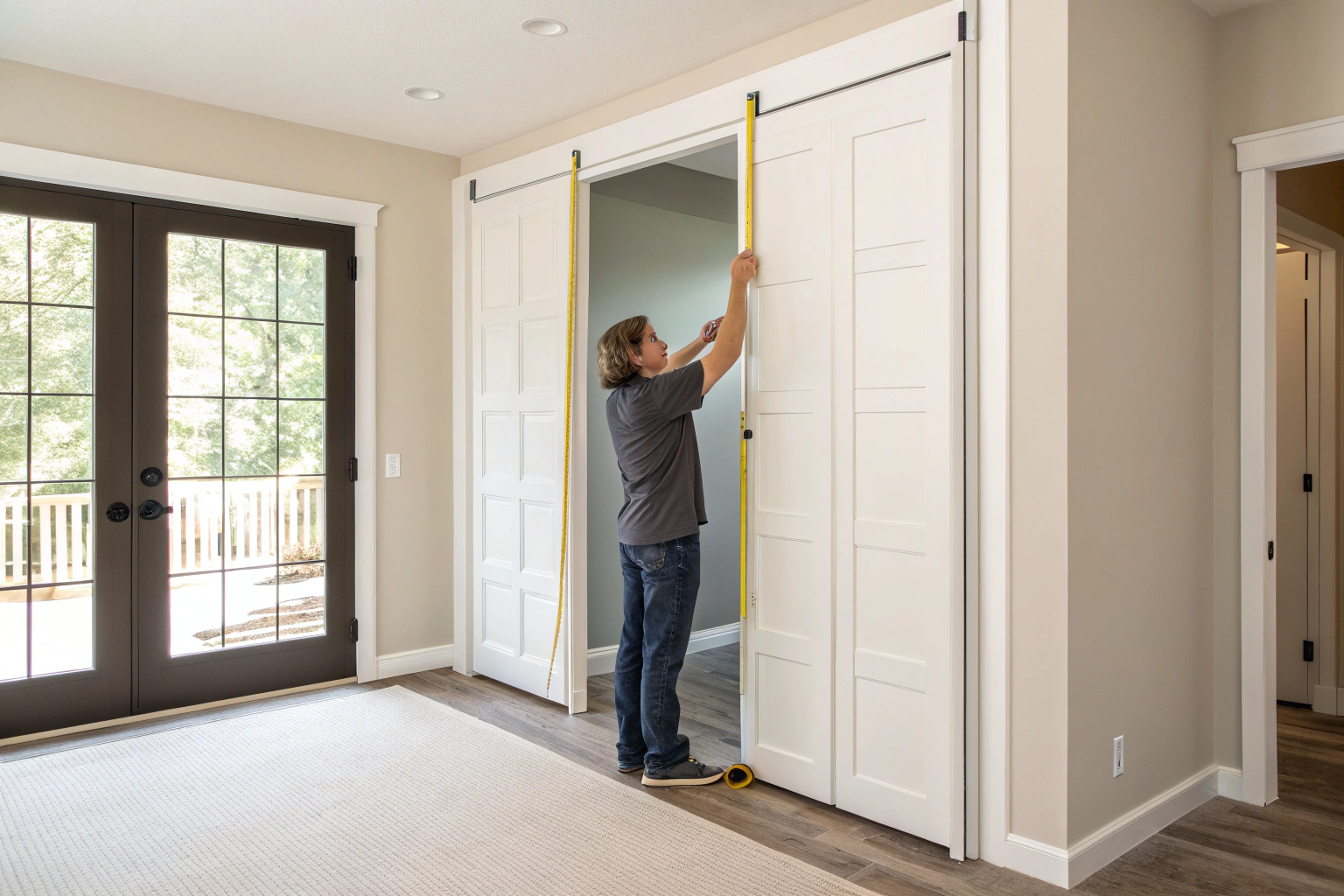
Measuring up for bifold doors requires evaluating the true structural opening, confirming level and squareness, and calculating final production dimensions with system-defined tolerances rather than relying on nominal sizes.
From a manufacturing perspective, accurate measurement is not an isolated site task. It is the starting point of system design, workshop processing, and final quality control.
Why Bifold Door Measurement Requires a System-Level View?
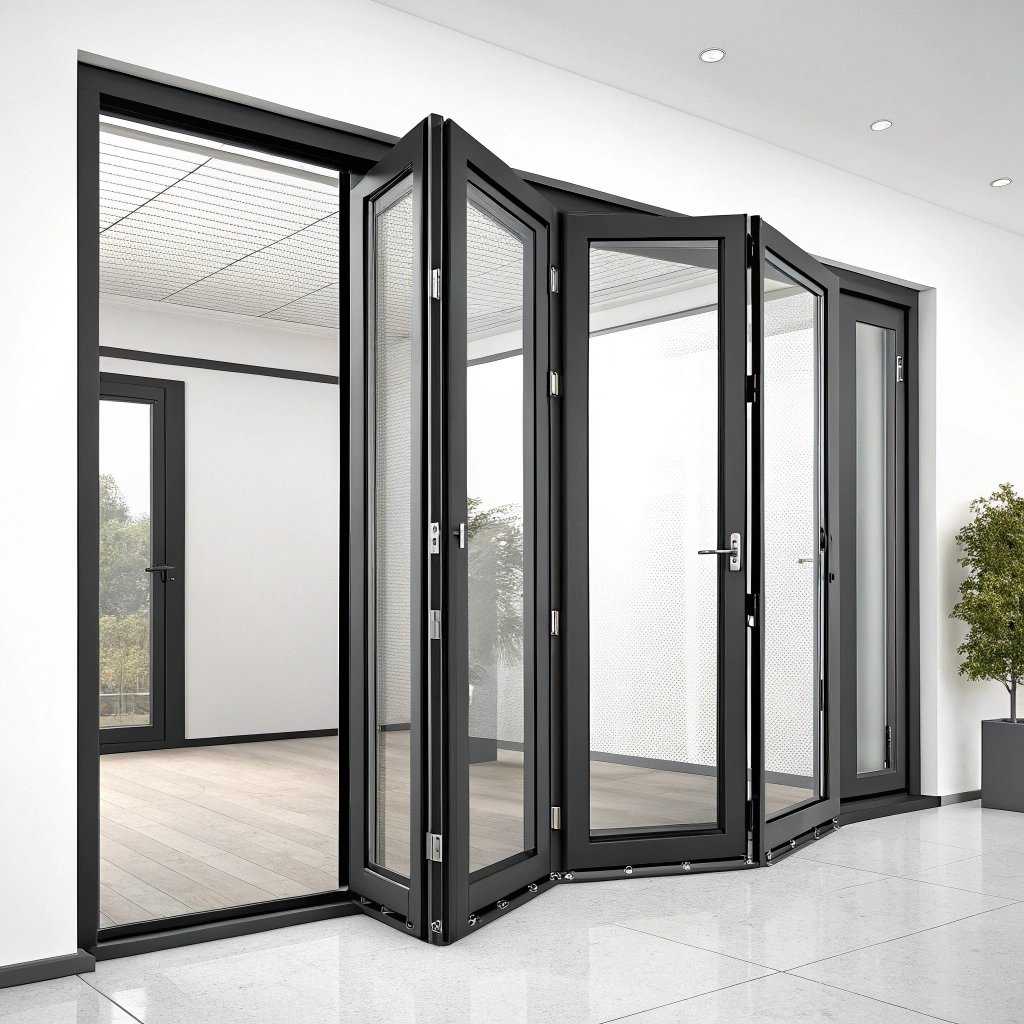
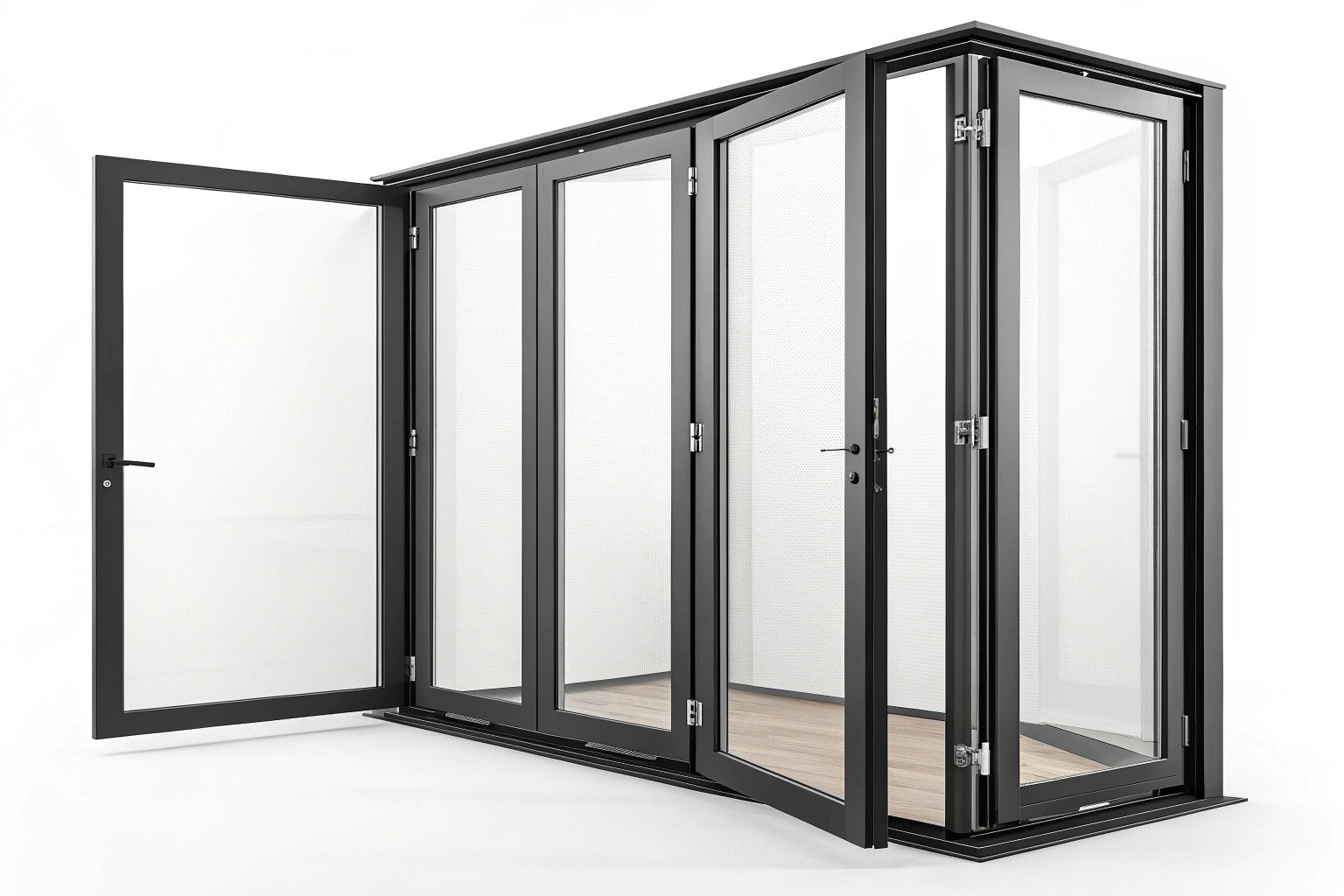
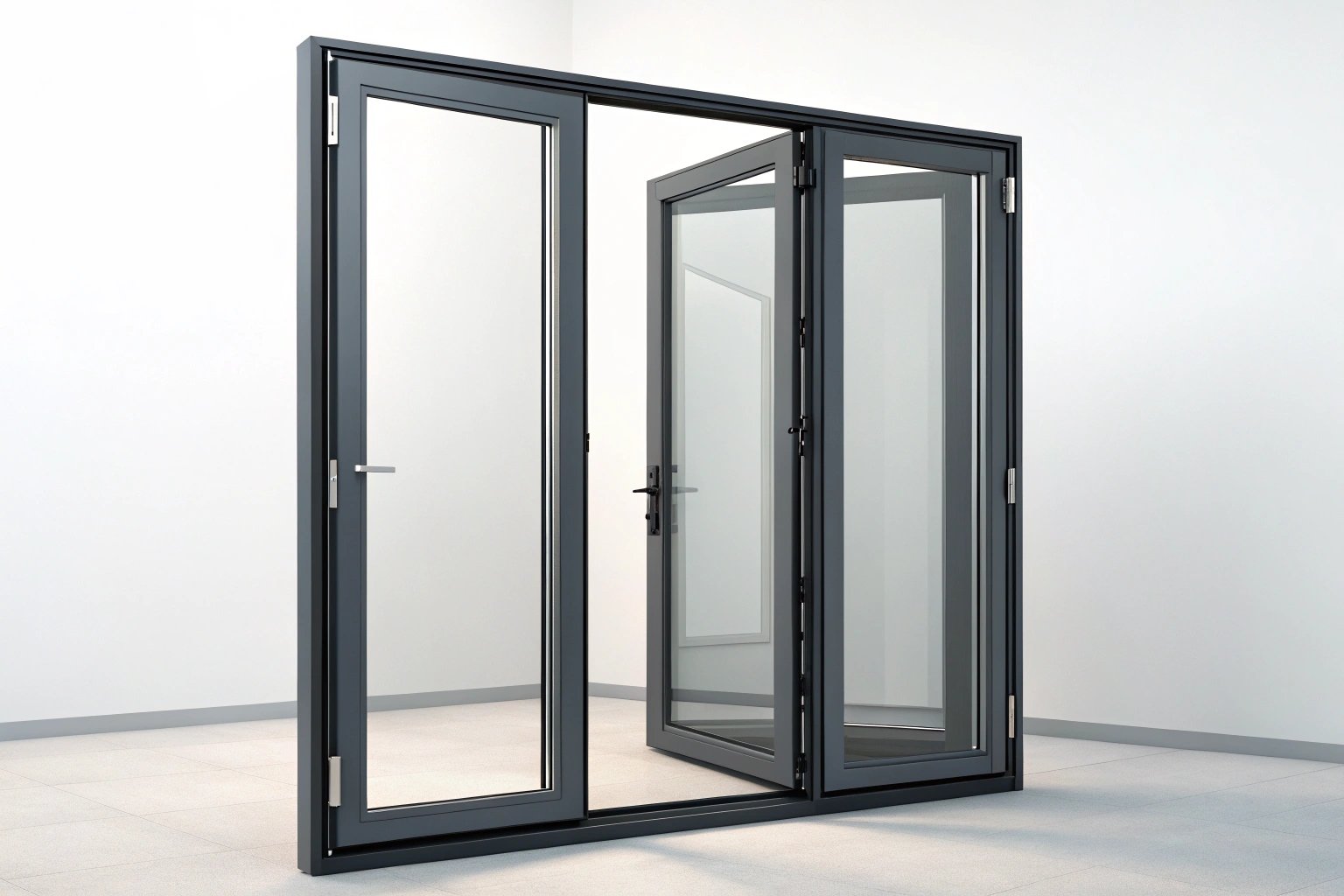
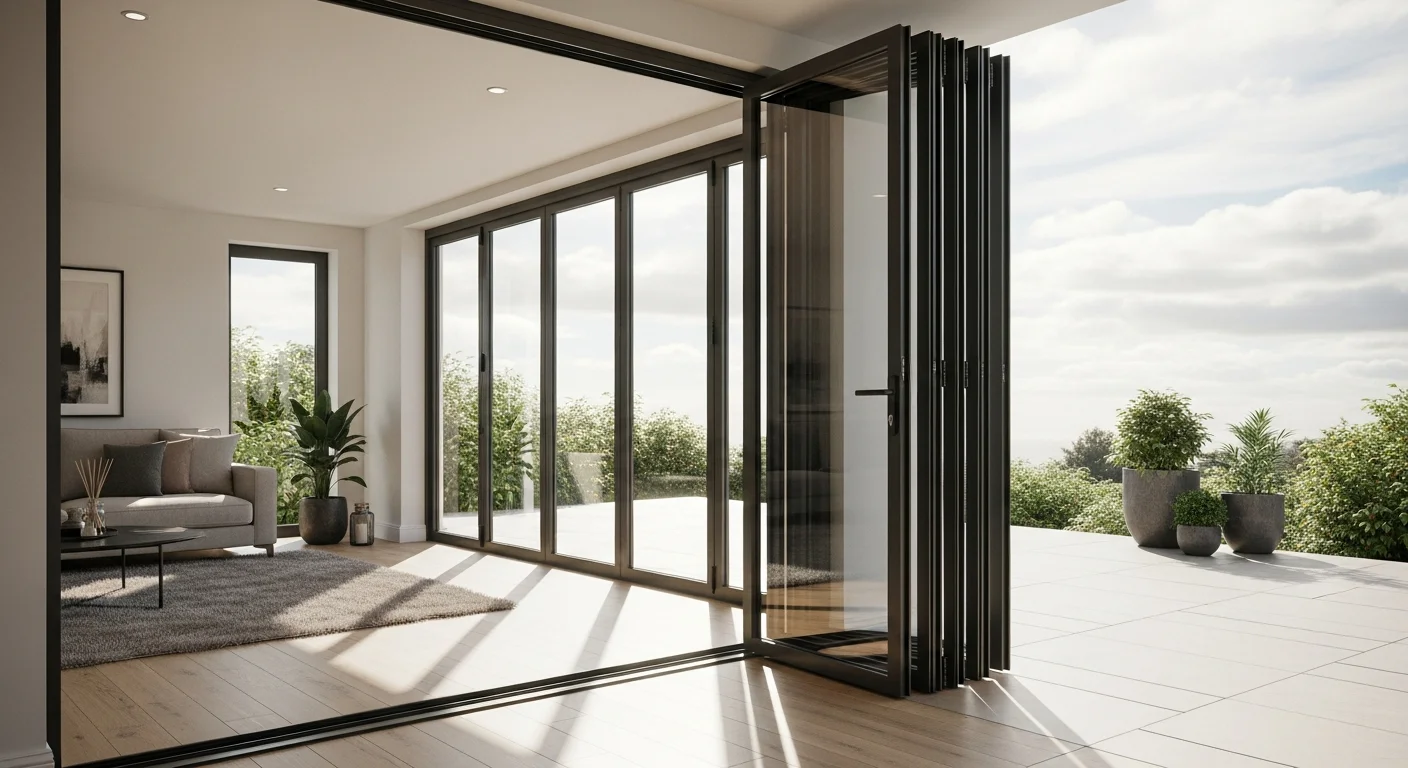
Bifold doors operate as integrated systems rather than individual door leaves.
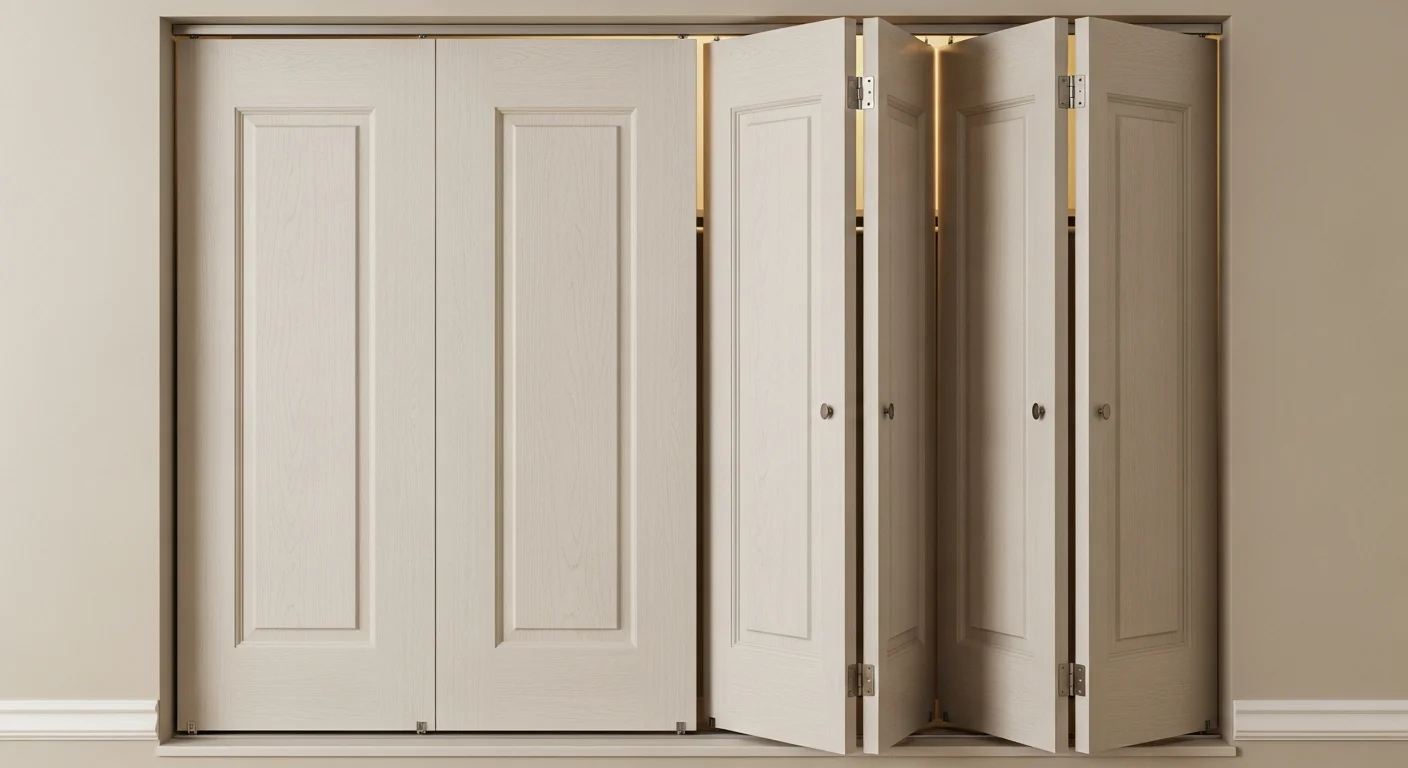
Multiple panels, tracks, rollers, and hinges must work together within controlled dimensional limits to maintain smooth operation and durability.
Unlike single hinged doors, bifold systems distribute load across several panels and moving parts. A small dimensional deviation at the opening level can translate into misalignment, uneven load distribution, or premature hardware wear once the system is installed. For this reason, measurement must align with the technical limits of the bifold system rather than visual assumptions about the opening.
In professional manufacturing environments, system design begins with defined tolerance ranges. Measurements taken on site must fall within these ranges so that profiles, hardware, and glazing can be engineered as a complete unit rather than adjusted later on site.
How to Identify the Correct Measurement Points?
Accurate measurement always starts from the building structure.
All measurements must be taken from the finished structural opening, excluding trims, decorative covers, or temporary linings.
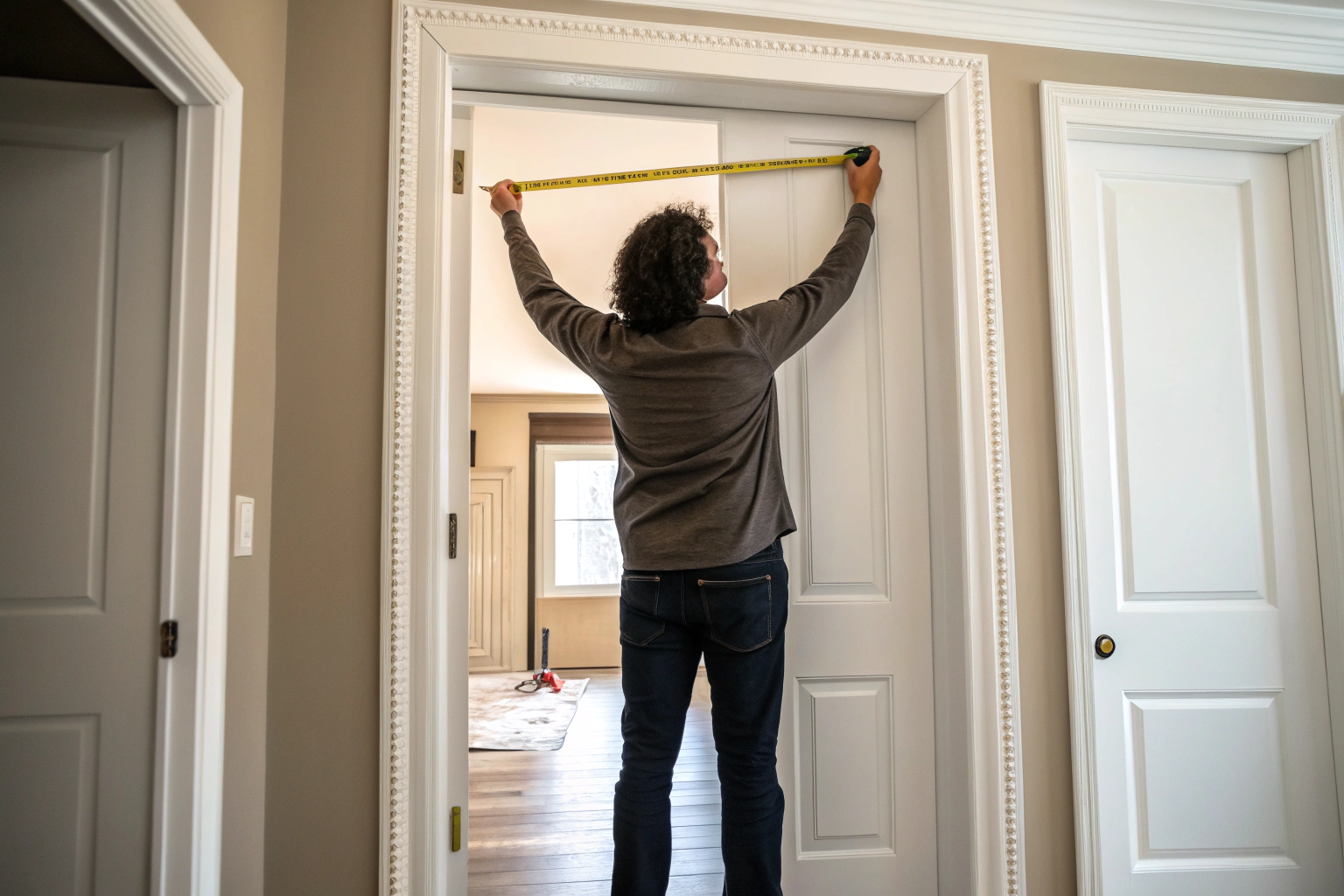
Width should be measured at three positions: top, middle, and bottom of the opening. Height should be measured on both left and right sides from finished floor level to the underside of the structural head or beam. Diagonal measurements are required to check whether the opening is square.
The smallest width and height values become the reference dimensions for production. Manufacturing calculations are always based on these minimum values to ensure the bifold door fits the tightest point of the opening without forced installation or frame distortion.
How Much Installation Clearance Is Required?
Clearance is a designed feature, not wasted space.
Bifold doors must be manufactured slightly smaller than the structural opening to allow for installation adjustment, leveling, and long-term building movement.
Side and top clearances provide space for frame alignment, shimming, and track installation. Floors are rarely perfectly level, and head beams may experience slight deflection over time. Without sufficient clearance, these conditions place stress directly on the door system.
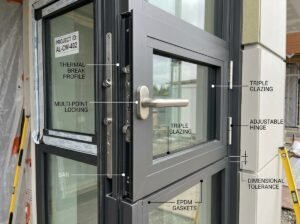
In factory system design, tolerance values are clearly defined. These values protect roller adjustment range, gasket compression, and panel movement. Reducing clearance to maximize visible door size often leads to binding, sealing failure, and increased maintenance requirements after installation.
How to Measure Width for Panel Configuration?
Width measurement determines the entire system layout.
The clear structural width defines panel count, panel size, and overall system balance.
Once the smallest opening width is confirmed, panel configuration is selected based on standard panel width limits. Oversizing individual panels increases weight and places excessive load on rollers and hinges. Increasing panel count instead allows weight to be distributed evenly and improves long-term operation.
From a manufacturing standpoint, accurate width measurement ensures correct track length, hinge spacing, and glass sizing. CNC machining programs and assembly jigs rely on these values to maintain consistent geometry across all panels.
How to Measure Height with Floor and Head Conditions in Mind?
Height measurement must reflect final site conditions.
Height is measured from finished floor level to the underside of the structural head, including all permanent floor finishes.
In many projects, flooring is installed after structural work. Measuring before final floor level is confirmed often results in doors that are too tall, requiring on-site modification. Head conditions must also be inspected for unevenness, cracking, or deflection, as these factors affect track alignment.
Manufacturing calculations allow for track thickness and roller adjustment, but only when accurate height data is provided. Proper height measurement ensures smooth folding action and prevents long-term scraping or misalignment.
How Factory Workshops and Processes Depend on Accurate Measurement?
Measurement accuracy directly affects every stage of production.
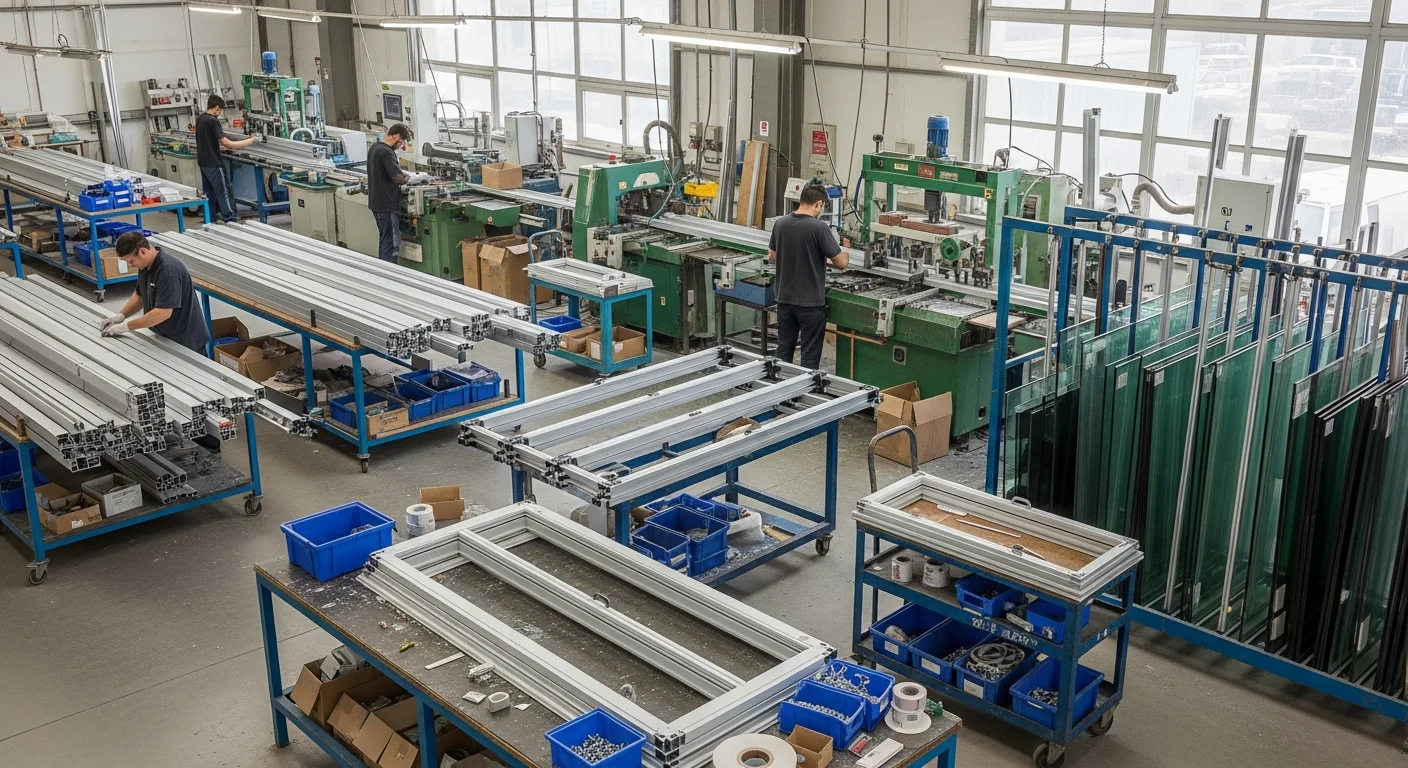
Factory workshops rely on confirmed opening dimensions to control cutting, machining, glazing, and assembly accuracy.
In the workshop, aluminium profiles are cut to calculated sizes using automated equipment. CNC machining defines hinge positions, drainage paths, and hardware fixing points. Assembly jigs lock frame geometry before glazing. Glass units are produced specifically to match frame dimensions and load requirements.
Quality inspection checks overall dimensions, squareness, and operational performance before packing. Once production begins, dimensional changes are no longer possible without remanufacturing. Accurate measurement therefore acts as a risk control mechanism for both production efficiency and final product performance.
Conclusion
Measuring up for bifold doors is a technical process that forms the foundation of system design, factory production, and long-term performance. It requires identifying the true structural opening, measuring multiple points to find minimum dimensions, allowing defined installation tolerances, and verifying level and squareness before production. Unlike simple door products, bifold systems amplify even small measurement errors across multiple panels and moving components.
When measurement is handled with an engineering mindset and aligned with factory production logic, bifold doors can be manufactured with precise panel geometry, balanced load distribution, and reliable sealing performance. This results in smooth operation, stable alignment, and reduced maintenance over time. Treating measurement as an integral part of the manufacturing workflow, rather than a basic site task, is essential for delivering bifold door systems that perform consistently throughout their service life.