Choosing between bifold doors and sliding doors is a critical decision in modern building design. The choice directly affects space usage, visual openness, structural demands, and long-term operational stability. Many projects encounter problems later not because of product quality, but because the door system selected does not match the building’s real functional needs.
Bifold doors and sliding doors serve different architectural and functional purposes. The better option depends on opening width, usage frequency, structural conditions, and long-term performance expectations.
Understanding the system-level differences between these two solutions helps avoid costly changes and ensures stable performance over time.
How Do Bifold Doors and Sliding Doors Function Differently?
The fundamental difference lies in how the opening is created and used.
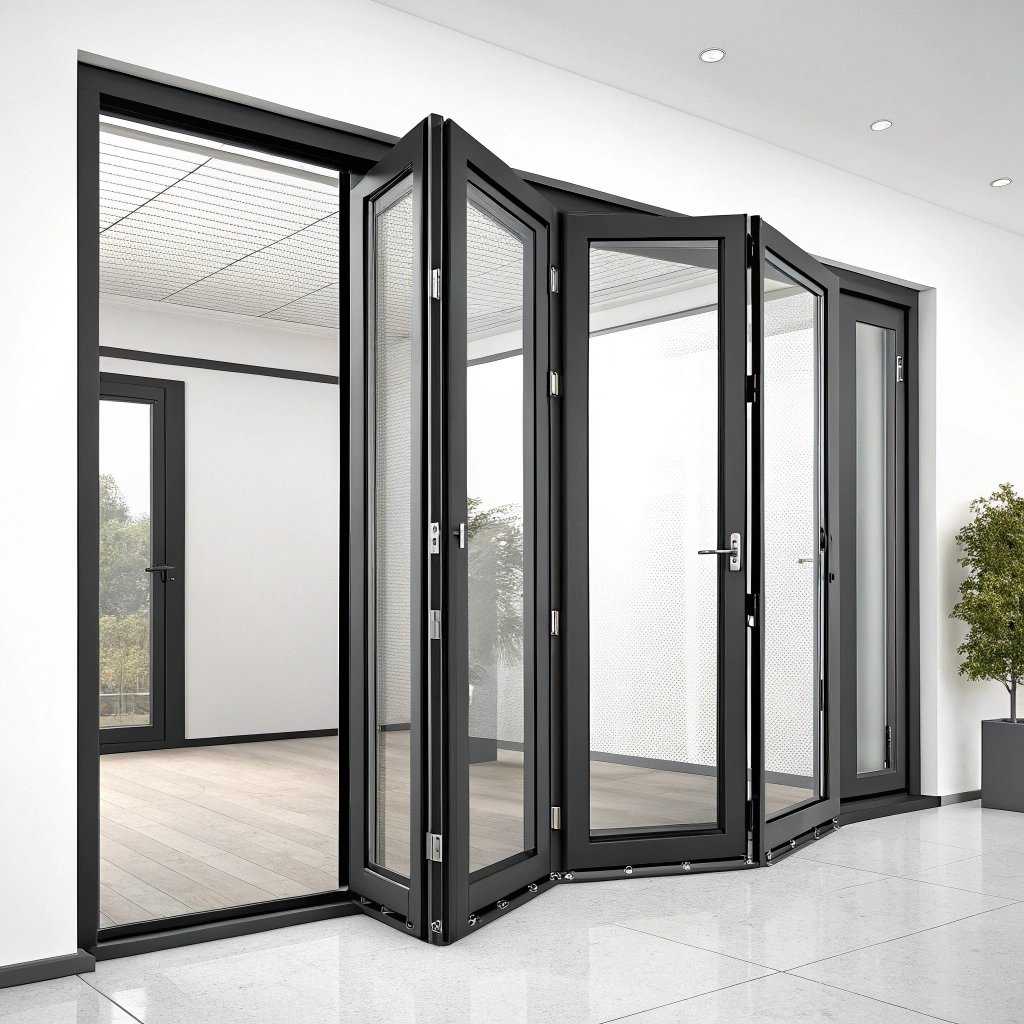
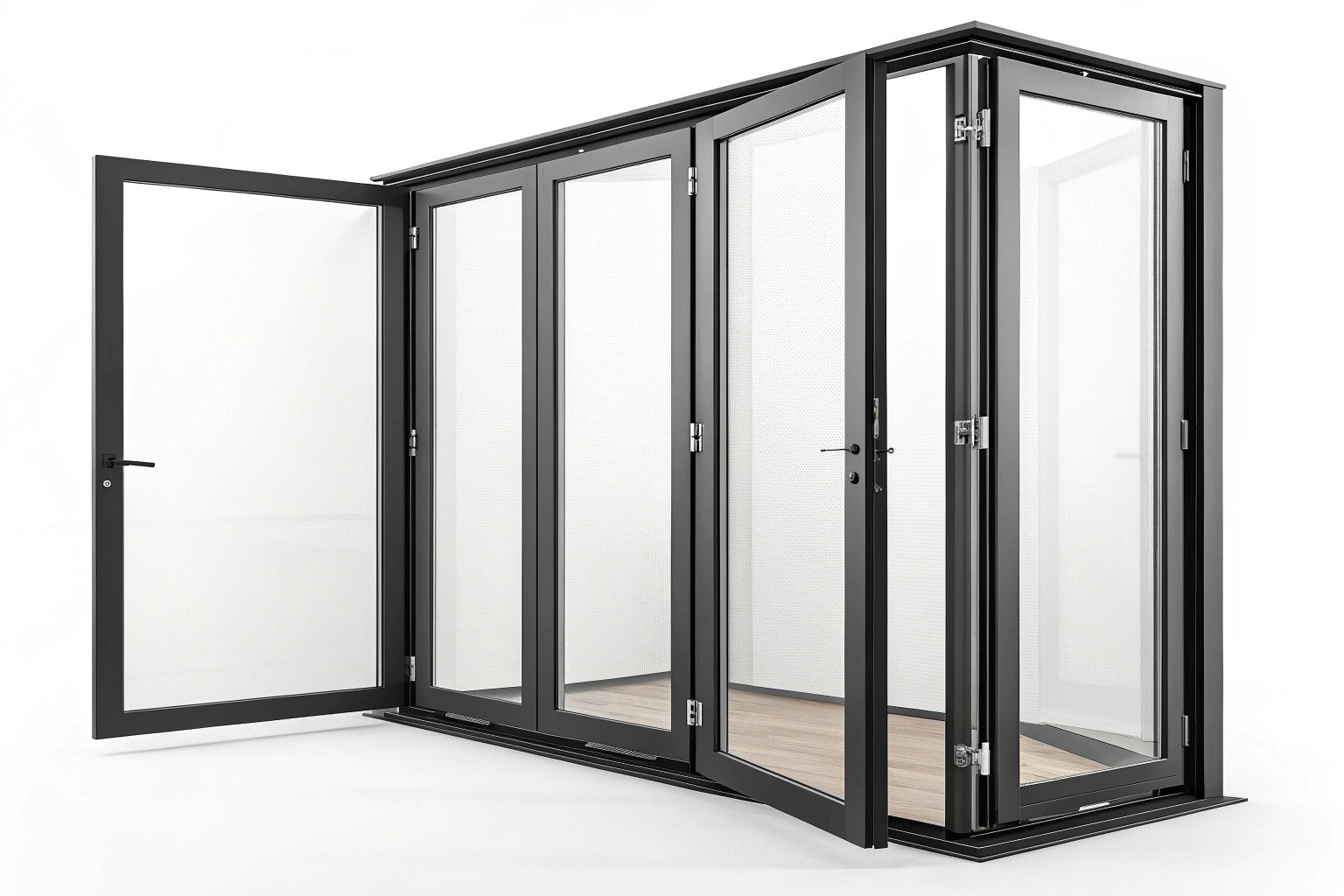
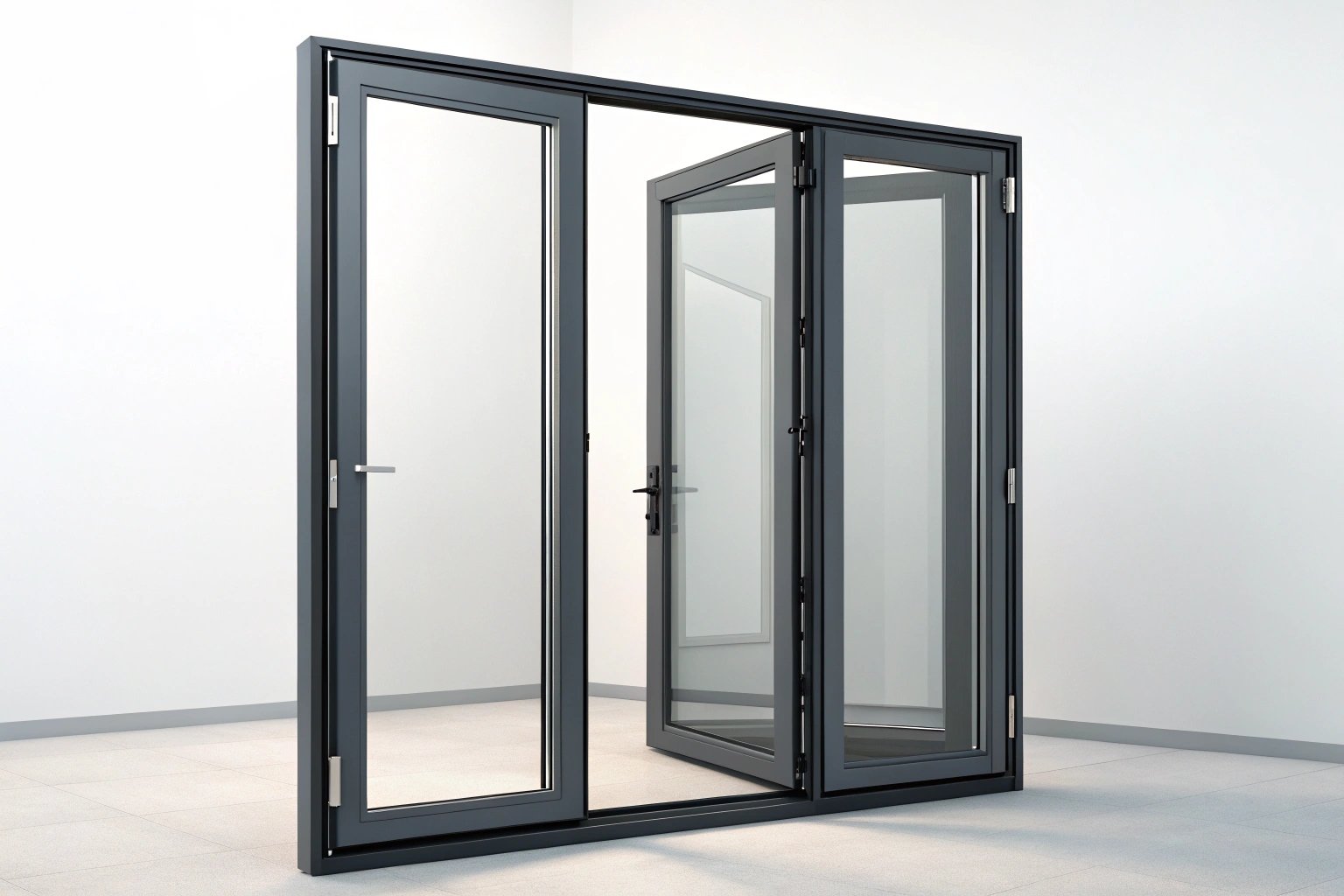
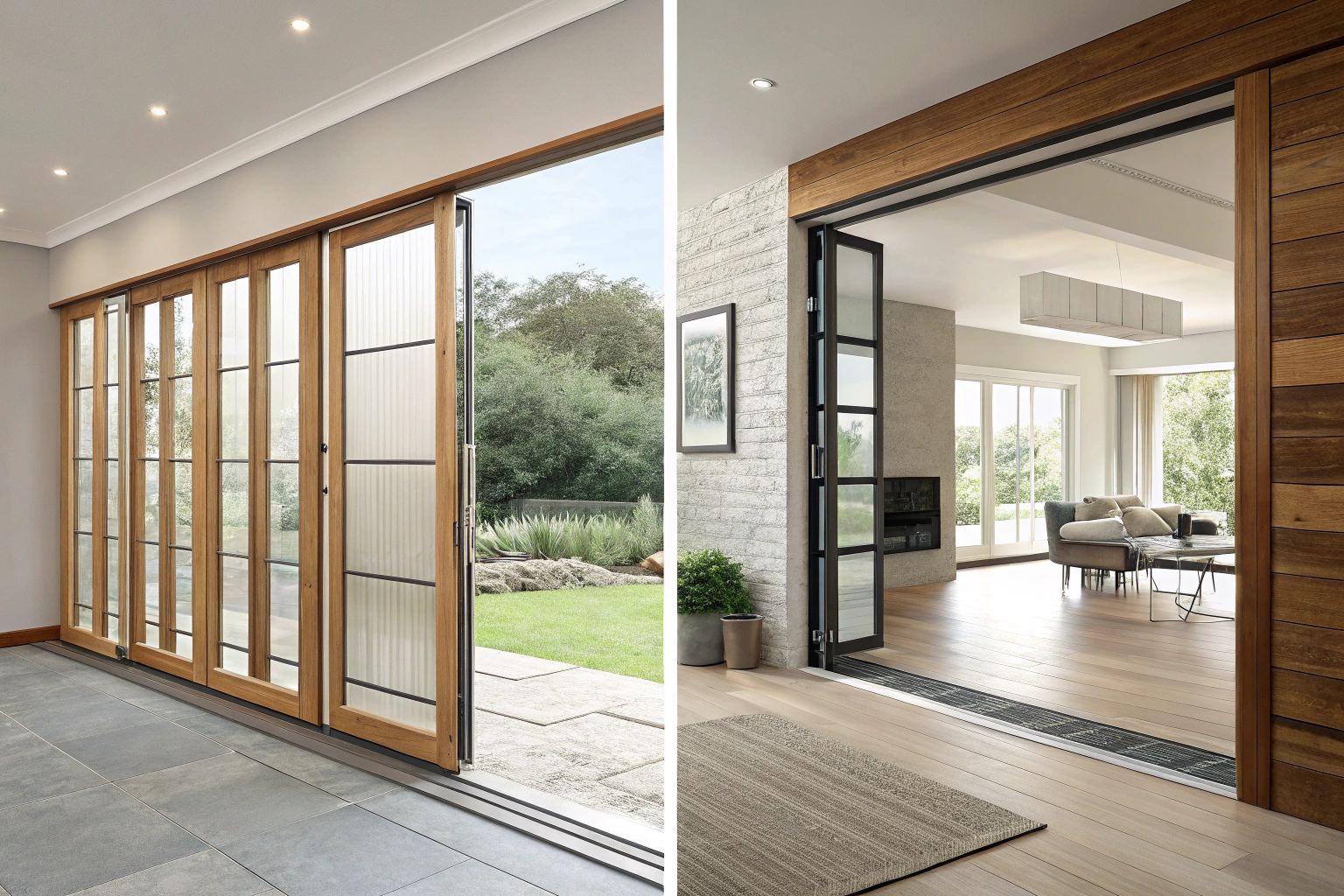
Bifold doors open by folding multiple panels to one or both sides, while sliding doors move panels horizontally along a track without folding.
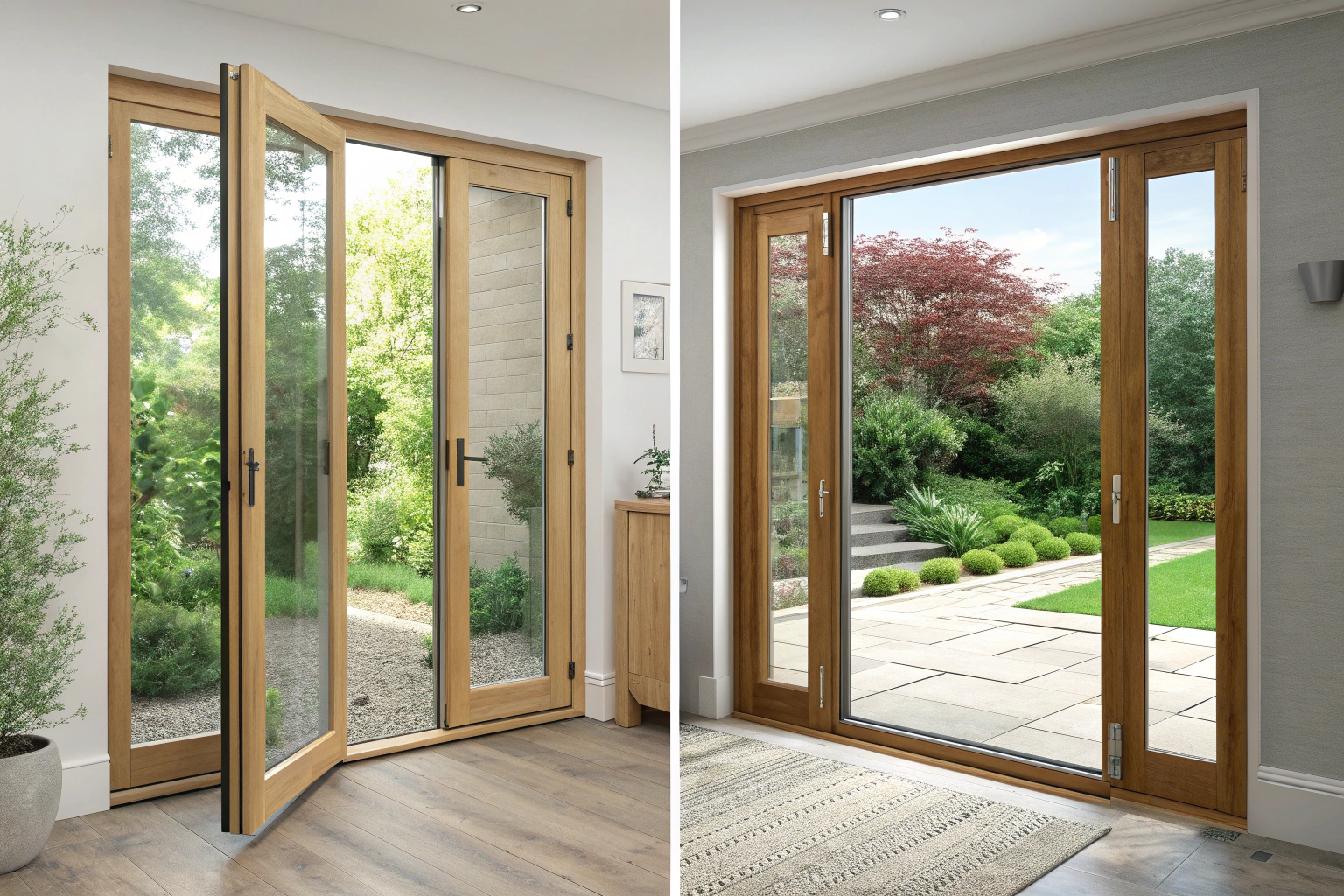
Bifold doors allow most of the opening to be cleared, creating a wide connection between interior and exterior spaces. This makes them popular in residential projects where full opening is desired. However, the folded panels occupy side space and introduce multiple hinges and moving joints.
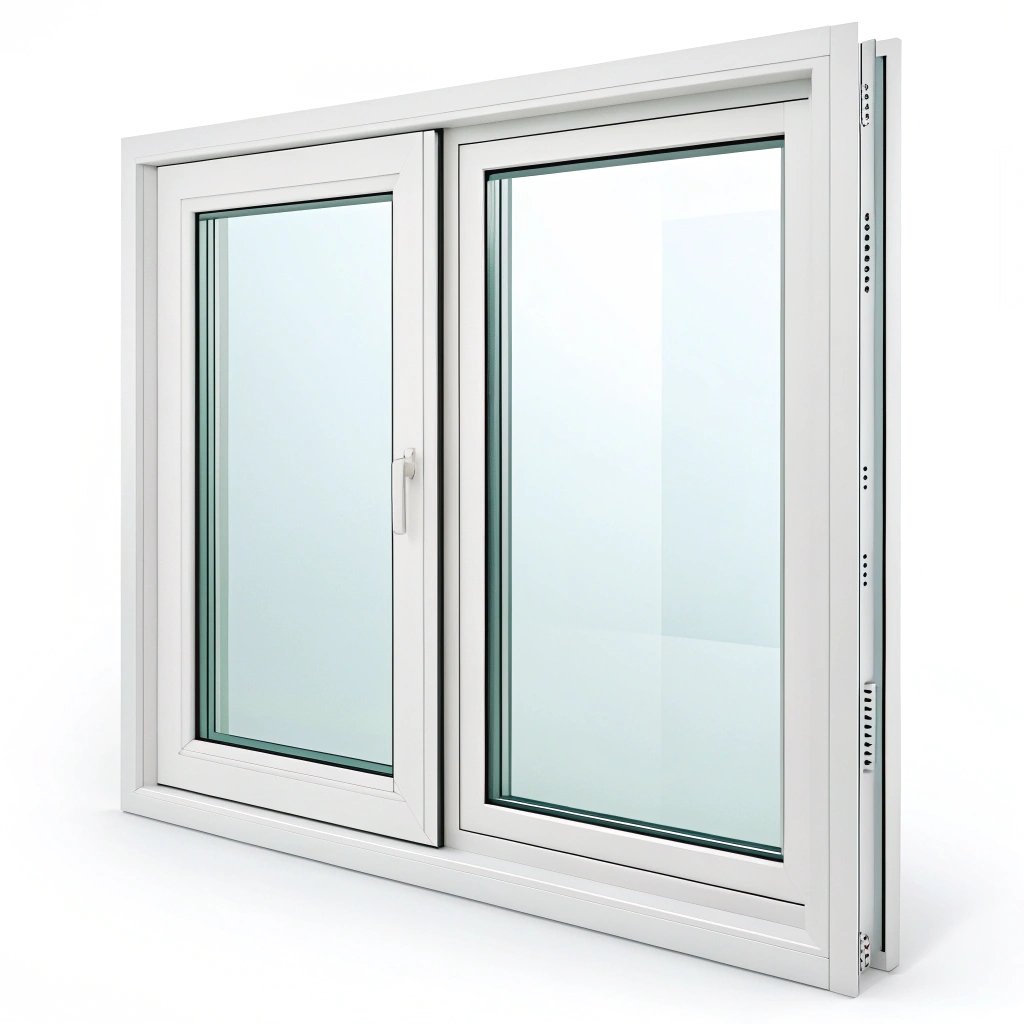
Sliding doors maintain a clean, uninterrupted plane of glass. Part of the opening always remains closed, but the visual connection stays wide and simple. From a system perspective, sliding doors reduce the number of moving components, which directly influences durability and long-term adjustment requirements.
How Does Opening Size Influence the Decision?
Opening width is one of the most decisive factors.
Bifold doors work efficiently in medium-width openings, while sliding doors perform better in very large spans.
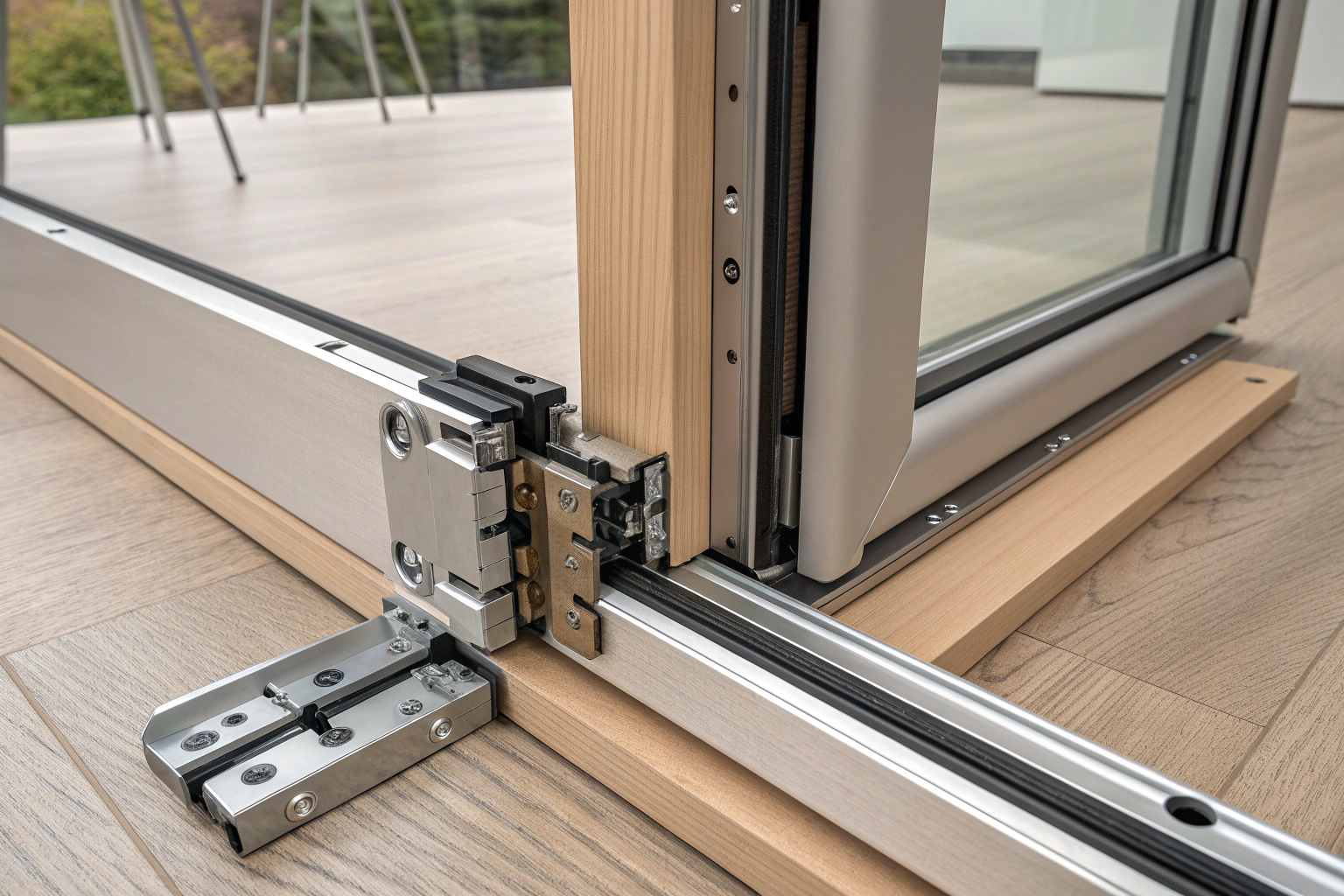
As opening width increases, bifold systems require more panels, increasing total weight, hardware load, and alignment sensitivity. For very wide openings, this can lead to complex installation and higher maintenance demand.
Sliding doors scale more effectively with width. Larger openings are handled by thicker profiles, reinforced tracks, and heavier glass, without multiplying hinges or folding points. In factory system design, sliding doors are often preferred for large-span projects because structural loads are easier to control.
How Do Daily Usage and Operation Affect Performance?
Usage frequency has a direct impact on system longevity.
Bifold doors experience more mechanical movement, while sliding doors concentrate movement on fewer components.
Bifold doors involve multiple hinges, rollers, and locking points that move simultaneously. Frequent daily use increases wear across many parts. In environments where doors are opened and closed repeatedly, this can lead to adjustment drift over time.
Sliding doors rely mainly on rollers and tracks. With fewer moving parts, wear is easier to manage. In factory testing, sliding systems often show more stable long-term operation under high cycle counts, especially when panel weight and track design are correctly engineered.
How Do Space Planning and Visual Design Compare?
Architectural intent plays a major role in system selection.
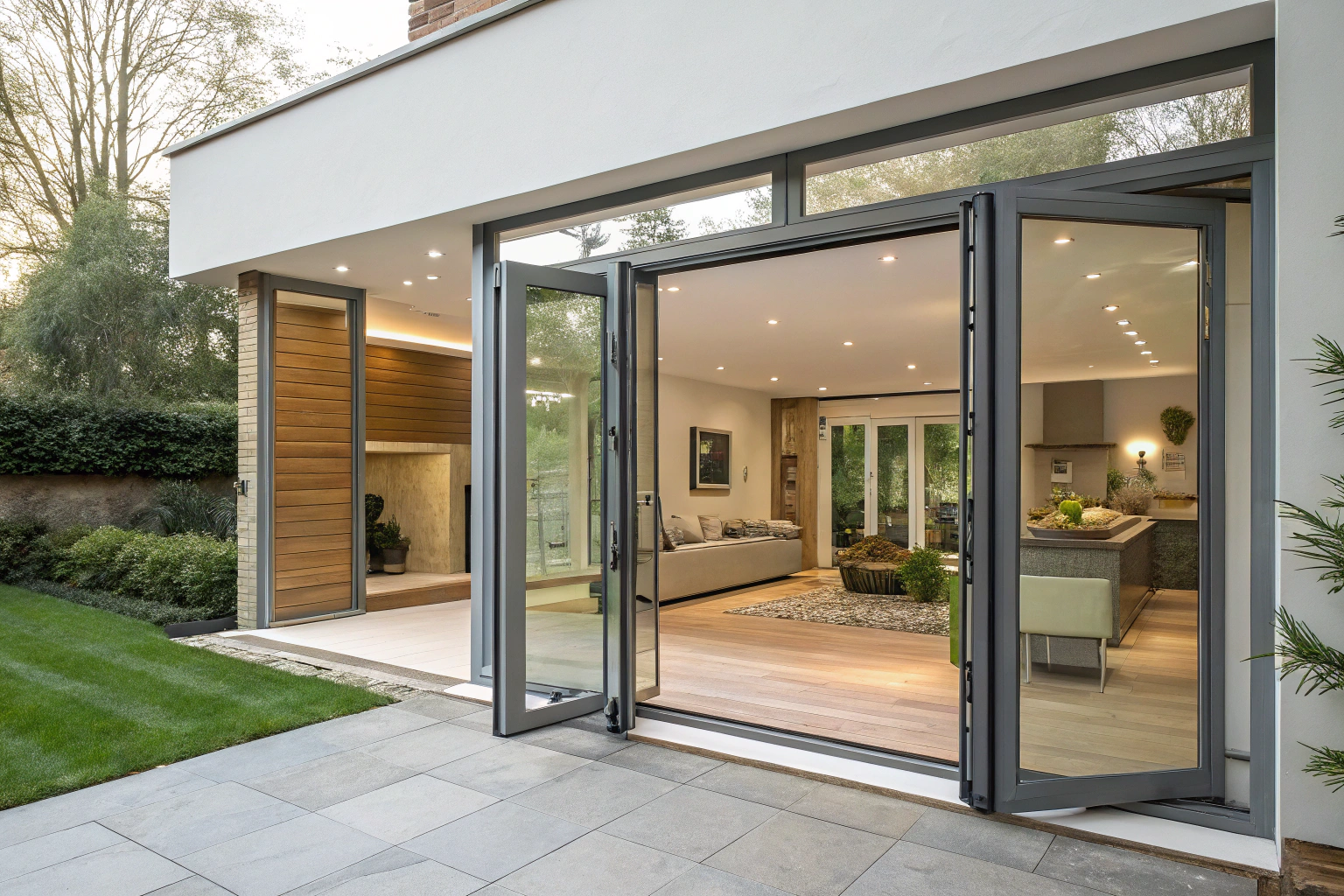
Bifold doors prioritize physical openness, while sliding doors prioritize visual continuity and minimal obstruction.
Bifold doors visually break the façade when panels are stacked to the side. This suits casual, open living concepts but may conflict with minimalist architectural lines.
Sliding doors preserve clean sightlines and larger uninterrupted glass panels. Slim-frame sliding systems support modern architectural styles and panoramic views. In manufacturing, this requires precise profile extrusion and high glass quality, but the visual result is often more consistent across large elevations.
How Do Manufacturing and Workshop Processes Differ?
Production requirements vary significantly between the two systems.
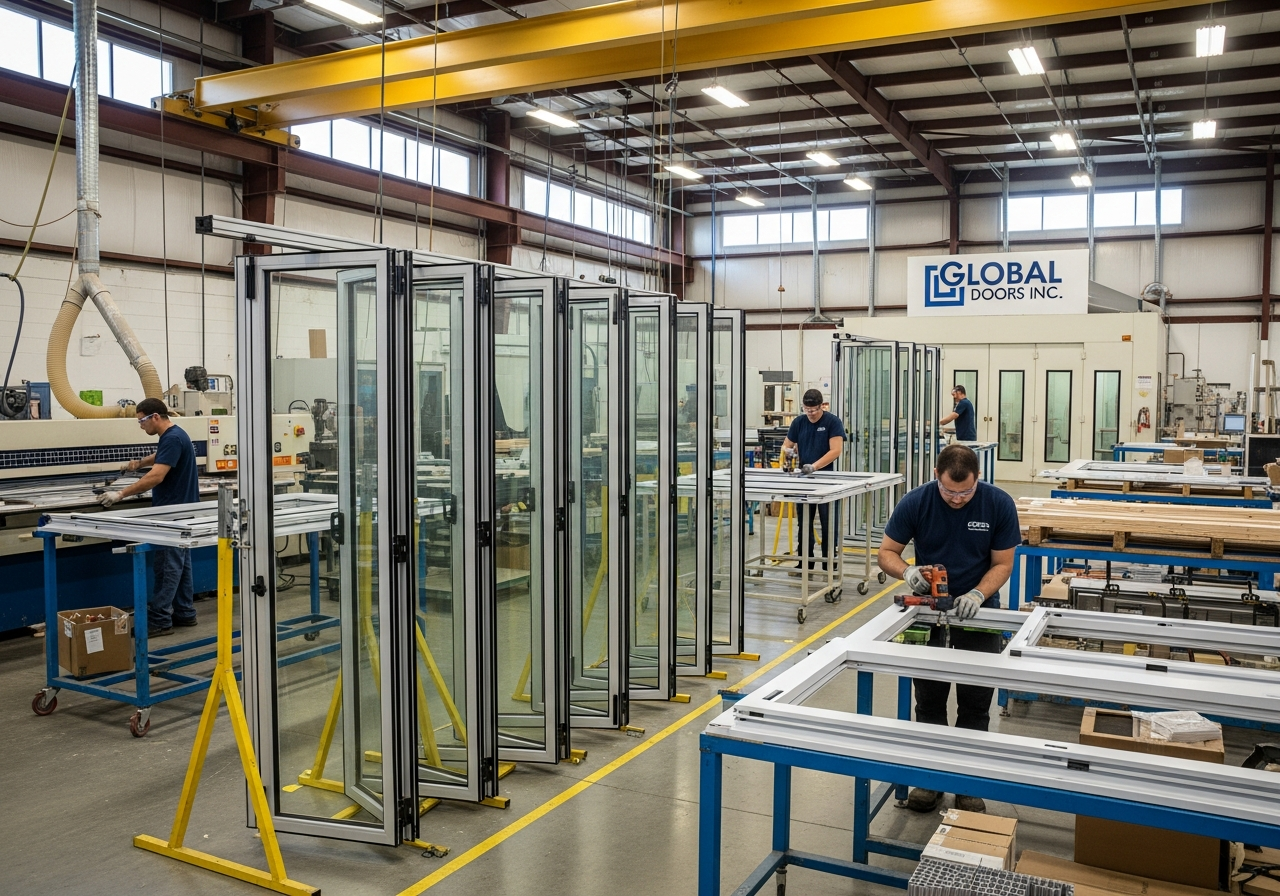
Bifold doors demand high assembly precision across many moving joints, while sliding doors focus on structural strength and track accuracy.
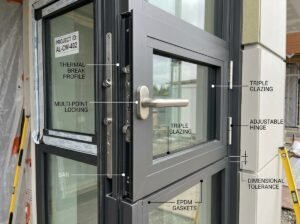
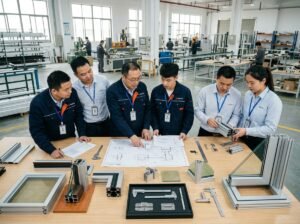
In factory workshops, bifold door production involves extensive CNC machining for hinges, multi-point locking systems, and precise panel alignment. Assembly tolerance control is critical because small deviations multiply across panels.
Sliding door production emphasizes reinforced aluminium profiles, precision track systems, and roller load testing. Glass handling and packaging are also more demanding due to larger panel sizes. From a manufacturing efficiency standpoint, sliding doors often offer higher consistency for large projects, while bifold doors require more assembly control.
How Do Maintenance and Long-Term Stability Compare?
Long-term performance often determines true value.
Bifold doors require more periodic adjustment, while sliding doors generally offer greater long-term stability.
Multiple hinges and folding joints in bifold systems are sensitive to building movement and usage patterns. Over time, minor misalignment can affect sealing and smooth operation.
Sliding doors concentrate structural load into tracks and rollers designed for heavy weight. With proper system design and factory quality control, sliding doors maintain alignment and sealing performance with less intervention. This difference becomes more apparent in large openings and high-use environments.
Conclusion
The choice between bifold doors and sliding doors should be based on system suitability rather than preference alone. Bifold doors offer maximum physical opening and are well suited to medium-width residential spaces where full access is a priority. Sliding doors provide stronger structural control, cleaner visual lines, and more stable long-term performance, especially for large openings and frequent use.
From a manufacturing perspective, sliding doors favor reinforced profiles and controlled linear motion, while bifold doors rely on precise assembly across multiple moving components. When opening size, usage intensity, architectural intent, and long-term maintenance expectations are evaluated together, the appropriate system becomes clear. Selecting the right door type at the design stage ensures reliable operation, consistent appearance, and predictable performance throughout the building’s service life.