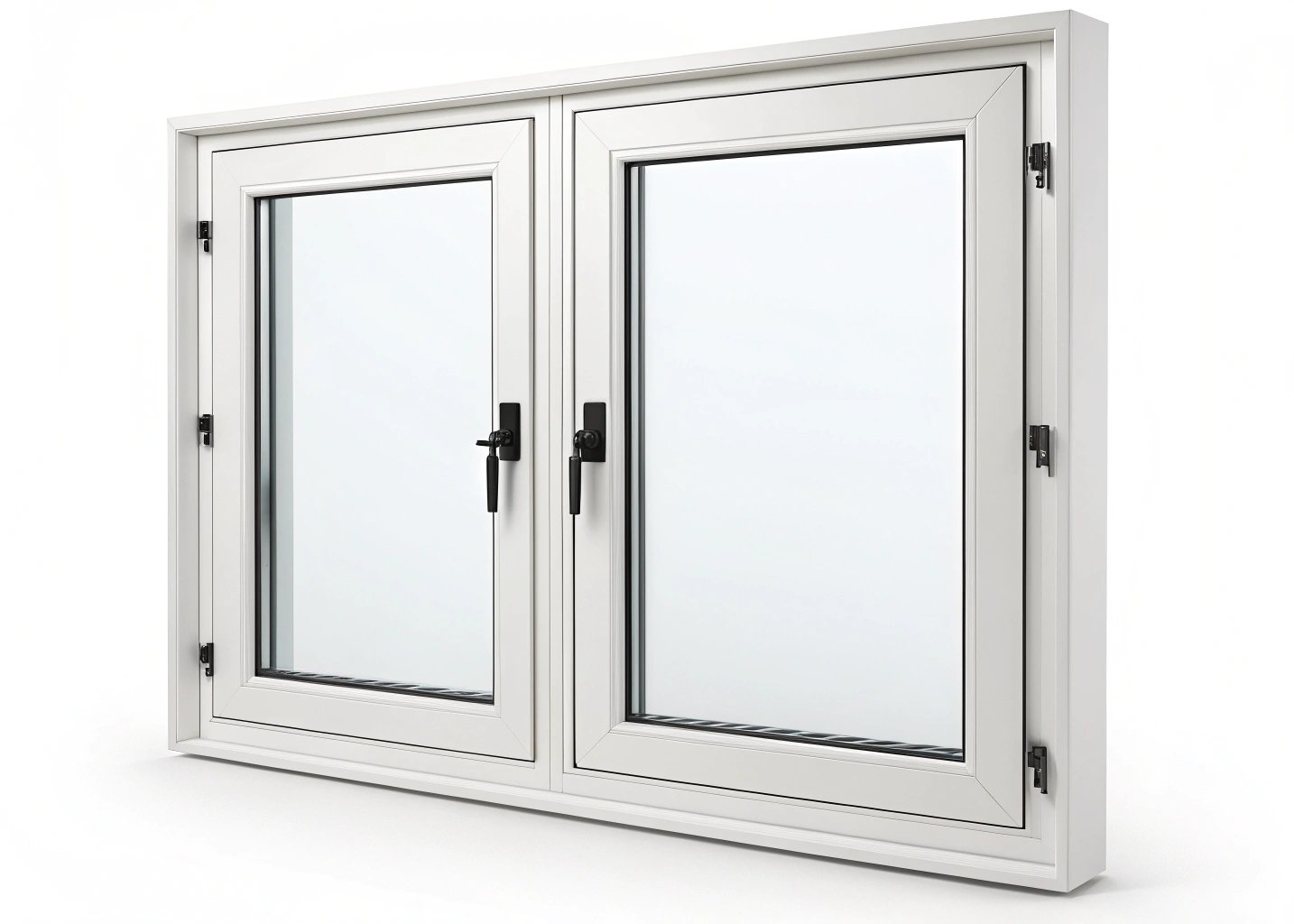
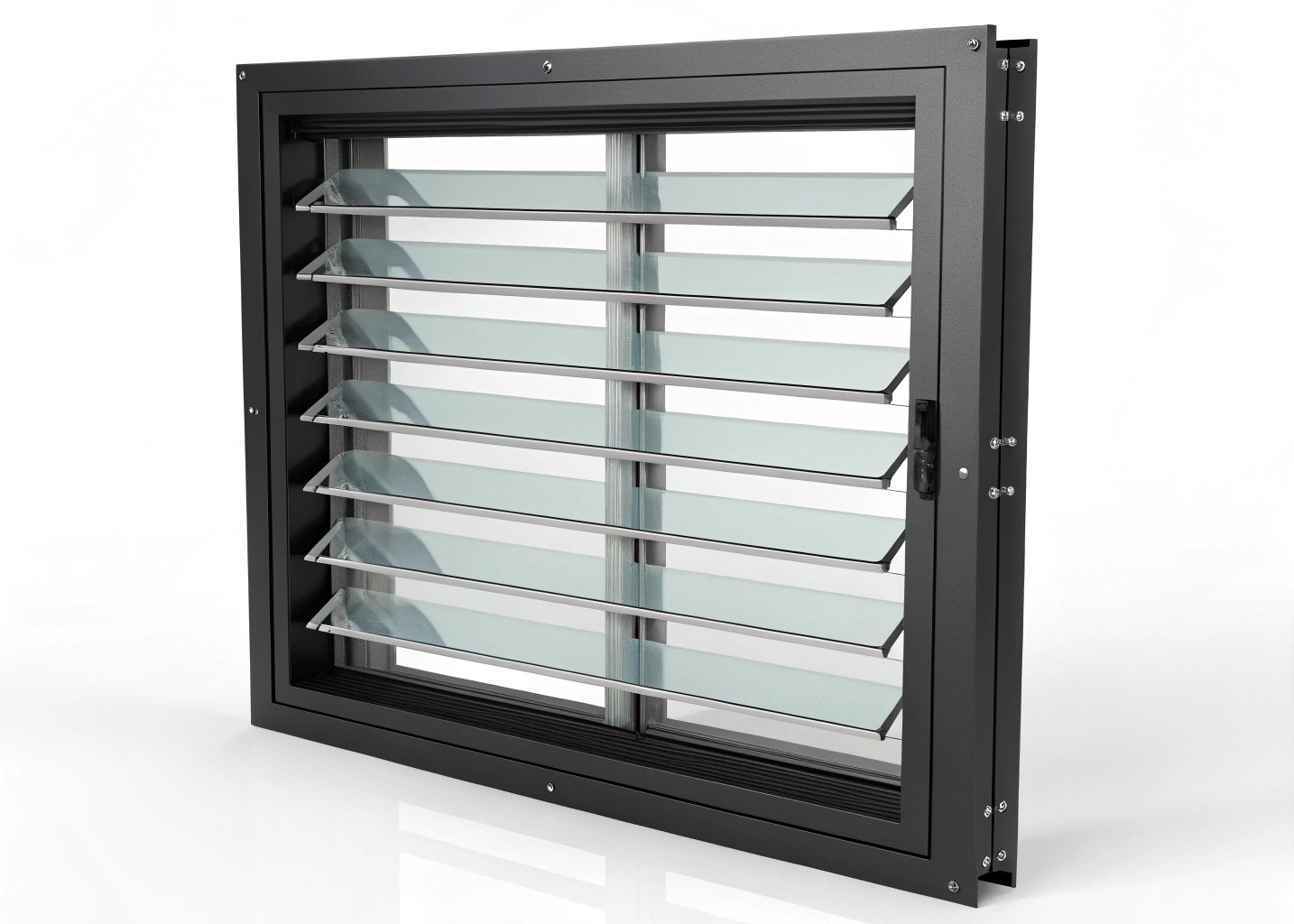
A supplier may promise smooth delivery, but one wrong size, one leaking frame, or one delayed batch can disrupt labor plans, inspections, and handover schedules.
For contractors, the right aluminum window manufacturer is one that can control drawings, product performance, factory consistency, installation support, and after-sales response across the full project cycle.

For building projects, aluminum window procurement is not only about price or appearance. Contractors need windows that match drawings, arrive on schedule, install without unnecessary rework, and perform well after occupancy. This matters in residential developments, schools, commercial buildings, mixed-use projects, and public works.
Industry complaints across public reviews and forums show the same repeated problems: condensation on cold aluminum frames, drafts around sash edges, water entering through tracks or bottom frames, windows becoming hard to open, hardware wearing out too soon, and wrong dimensions causing installation delays. These pain points are not random. They usually come from weak factory control, poor system design, and weak coordination between production and site needs.
That is why contractor selection standards must go deeper than a basic quotation. The best manufacturing partner is usually a real factory with in-house design, R&D, production, and sales teams working together. That structure gives contractors stronger control over revisions, technical answers, packaging, repeat orders, and problem-solving during the project.
Why Do Contractors Need a Different Standard When Choosing Aluminum Window Manufacturers?
Small retail orders and contractor procurement do not carry the same risk. In project work, one supplier mistake is repeated across many openings and many units.
Contractors need a stricter evaluation standard because project success depends on repeatable quality, technical coordination, schedule control, installation fit, and fast support when issues appear on site.
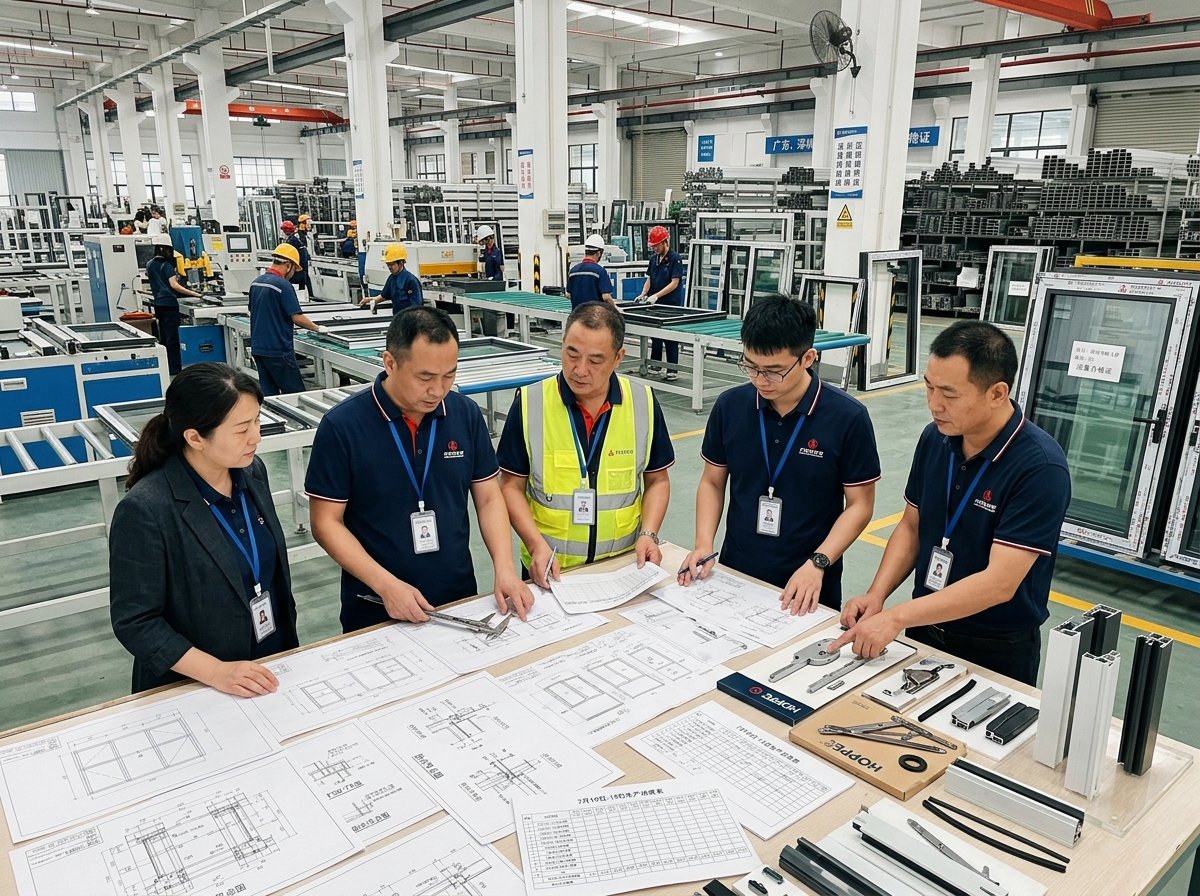
A contractor does not buy only a window. The contractor is buying production discipline, delivery control, and reduced site risk. If the frame is out of square, if the handing is wrong, if accessories are missing, or if the sill detail is unclear, the site team loses time immediately. If the product later leaks, whistles under wind, or develops heavy condensation, the contractor may face complaints long after installation.
This is why contractor procurement should focus on how a manufacturer performs across the full process.
What contractors usually care about most
| Priority | Why it matters on site |
|---|---|
| Correct dimensions | Prevents opening mismatch and rework |
| Stable air and water performance | Reduces callbacks and site complaints |
| Clear shop drawings | Helps approval and installation planning |
| Reliable lead time | Protects labor and handover schedule |
| Complete accessories | Avoids lost installation time |
| Fast technical support | Solves site questions before delays grow |
A manufacturer that understands contractor needs should be able to support approvals, production, shipment, installation, and replacement management with the same level of discipline.
How Contractors Evaluate Aluminum Window Manufacturers for Building Projects?
A factory may look impressive online, but contractors need proof of project capability, not only marketing language.
Contractors should evaluate aluminum window manufacturers by checking real factory status, engineering support, quality control, project experience, document accuracy, and the ability to handle multi-stage project execution.
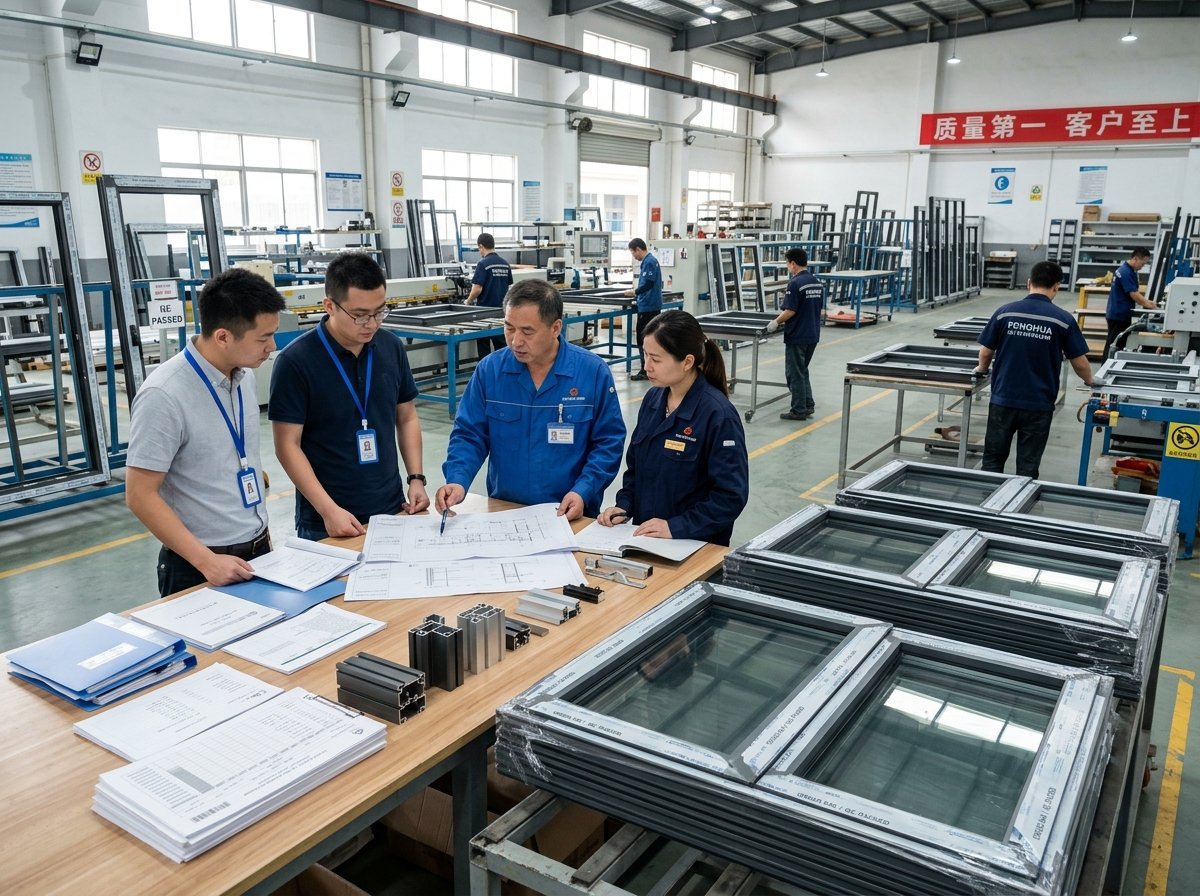
The first question is whether the supplier is a real factory or only a trading company. For project work, a real factory usually offers better control over drawings, lead time, change management, and product consistency. When design, R&D, and sales are managed in-house, problems can be solved faster and more clearly.
Contractors should also confirm whether the supplier can support:
- Shop drawings and section drawings
- Window schedules and configuration review
- Glass and hardware specification
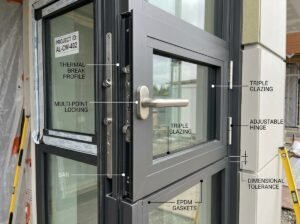
- Thermal and weather performance recommendations
- Packing list and labeling by project area
- Inspection records before shipment
- Spare part and replacement planning
A factory that has served major brands as an OEM or ODM partner often has stronger internal systems. This usually means better document control, stronger process discipline, and more stable repeat production.
Core evaluation points for contractors
1. Engineering and drawing capability
A reliable manufacturer should return accurate drawings, comments, and revisions quickly. This is critical when site measurements, opening details, or facade requirements change.
2. Production consistency
The factory should control frame size, diagonal accuracy, sash fit, hardware position, finish quality, and packing accuracy before shipment.
3. Project communication
Contractors need a supplier that communicates clearly from approval stage to delivery stage, not only before deposit.
4. Issue response
When a problem appears, the supplier should have a clear process for replacement parts, technical advice, and responsibility review.
What Product Problems Should Contractors Watch Most Closely?
Many field problems can be traced back to the same weak points in aluminum window systems.
The product issues contractors should watch most closely are condensation, air leakage, water leakage, poor operation, hardware failure, finish damage, and tolerance problems that affect installation fit.
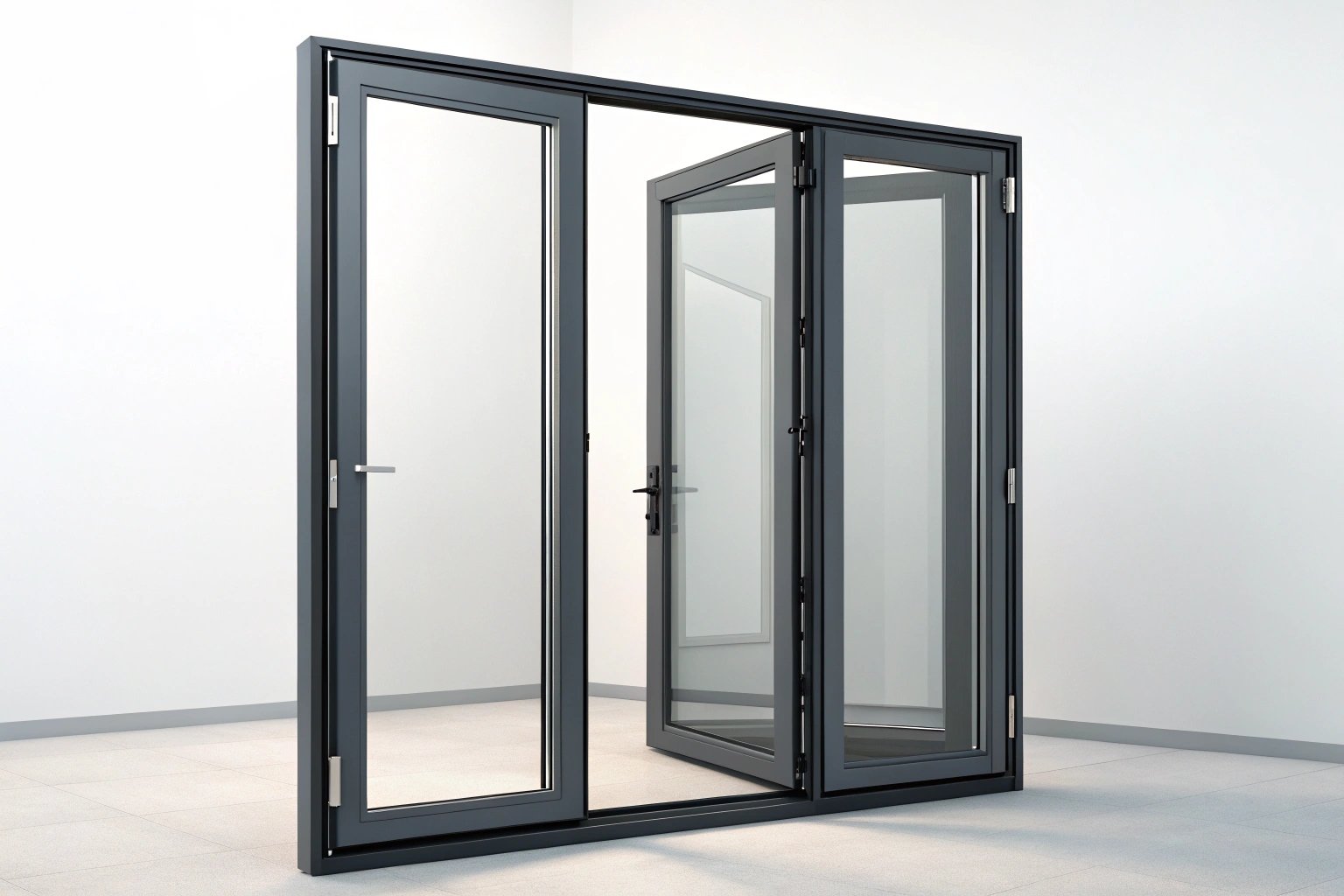
Public complaints about aluminum windows and doors repeat the same themes again and again. Cold frames create condensation. Sliding and opening units leak air. Water enters under the frame or through bottom tracks. Sashes sag or become difficult to operate. Brush seals and gaskets wear out too early. Dark-colored frames arrive scratched. These are not only homeowner problems. They become contractor problems first.
Common complaint patterns and what they mean
| Complaint pattern | Likely cause | What a strong factory should do |
|---|---|---|
| Condensation on frame and sill | Weak thermal break or poor glazing edge insulation | Improve thermal break, warm edge, and system insulation |
| Drafts around sash | Weak seal compression or poor fit | Upgrade gasket design, locking pressure, and tolerance control |
| Water under frame | Weak drainage or poor sill detail | Improve drainage path, end caps, and waterproof node |
| Hard opening or sliding | Roller, hinge, or alignment issue | Upgrade hardware durability and pre-adjust before shipment |
| Lock not aligning | Poor sash-to-frame accuracy | Tighten machining accuracy and locking tests |
| Surface scratches | Weak protection during handling | Improve film, corner protection, and packing standards |
For contractors, the lesson is simple: appearance alone is not enough. The factory must show how the system solves real field problems before the order is placed.
Project-Based Aluminum Window Specification for Commercial and Residential Construction?
The same window specification does not suit every project. Residential buildings, schools, commercial blocks, and higher-value developments all have different priorities.
Project-based aluminum window specification should match climate, building type, operating frequency, thermal demand, sound control needs, and installation conditions instead of relying on one standard configuration.
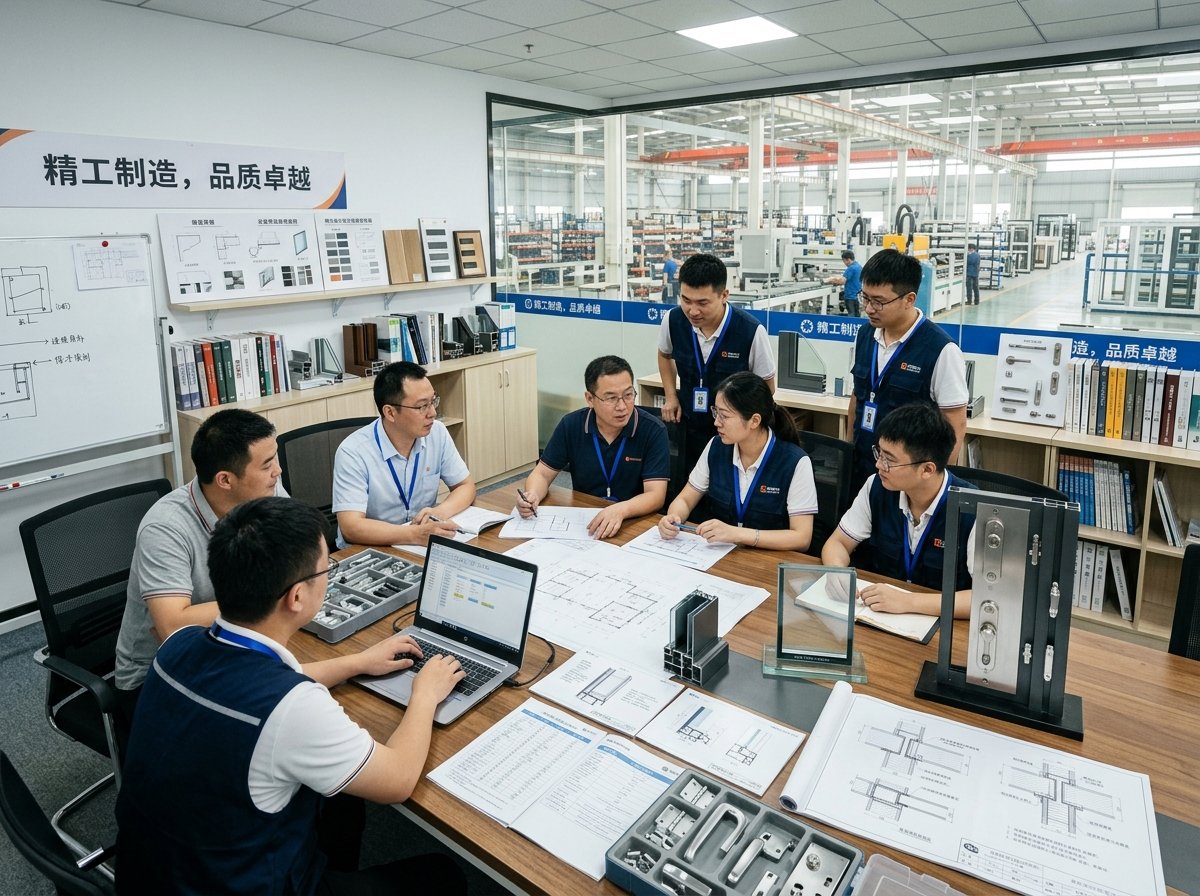
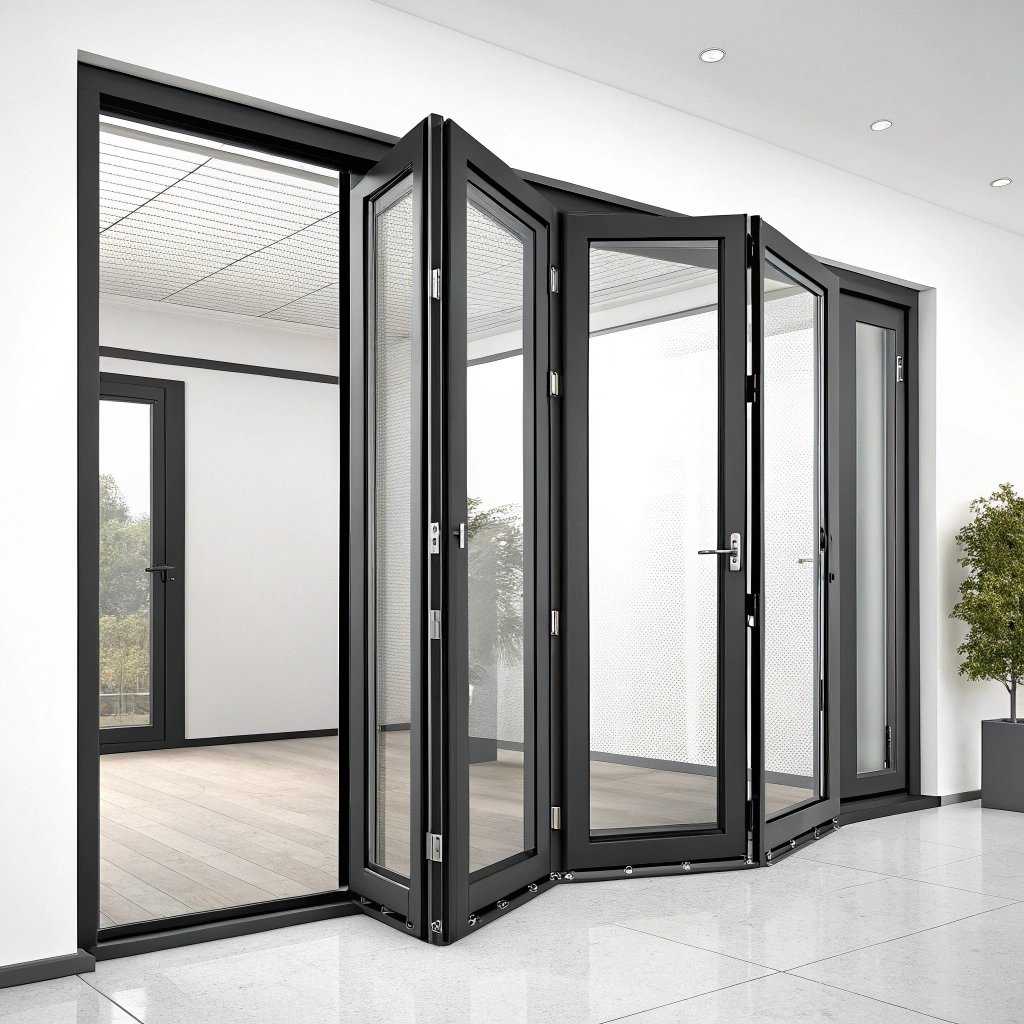
For residential construction, comfort, condensation control, ventilation, and long-term operability are often major concerns. For commercial buildings, durability, facade consistency, document approval, and repeatable installation may carry more weight. For schools and public buildings, robust hardware and easier maintenance may matter more.
This is where a factory with in-house design and R&D becomes useful. A supplier with technical depth can recommend different systems instead of pushing the same profile into every job.
Specification points contractors should confirm
Thermal and condensation control
Cold frame complaints are common in aluminum systems, especially in cooler climates. Contractors should confirm whether the system uses a real thermal break, suitable glazing, and a frame design that reduces interior cold spots.
Air and water tightness
Draft and leakage complaints are some of the most repeated field issues. Contractors should ask how the system handles meeting stiles, corner sealing, drain paths, and sill conditions.
Hardware and durability
If windows are hard to open after a short time, site teams and occupants quickly lose confidence. The manufacturer should match hardware to sash size, weight, and expected use frequency.
Acoustic and comfort control
In roadsides, urban projects, schools, and mixed-use buildings, sound reduction may be important. The window system should be reviewed as a full assembly, not only by glass type.
Surface treatment
Coastal areas, humid regions, and dark finishes require stronger coating control and better handling protection.
A strong manufacturer should be able to explain why one configuration suits one project better than another. That is a sign of real project supply capability.
Why Do Installation Details Matter So Much in Contractor Window Procurement?
A well-made window can still fail if installation details are wrong or incomplete.
Installation details matter because even a strong aluminum window system can suffer from leaks, drafts, poor alignment, and condensation risk if frame-to-wall joints and site tolerances are not handled correctly.
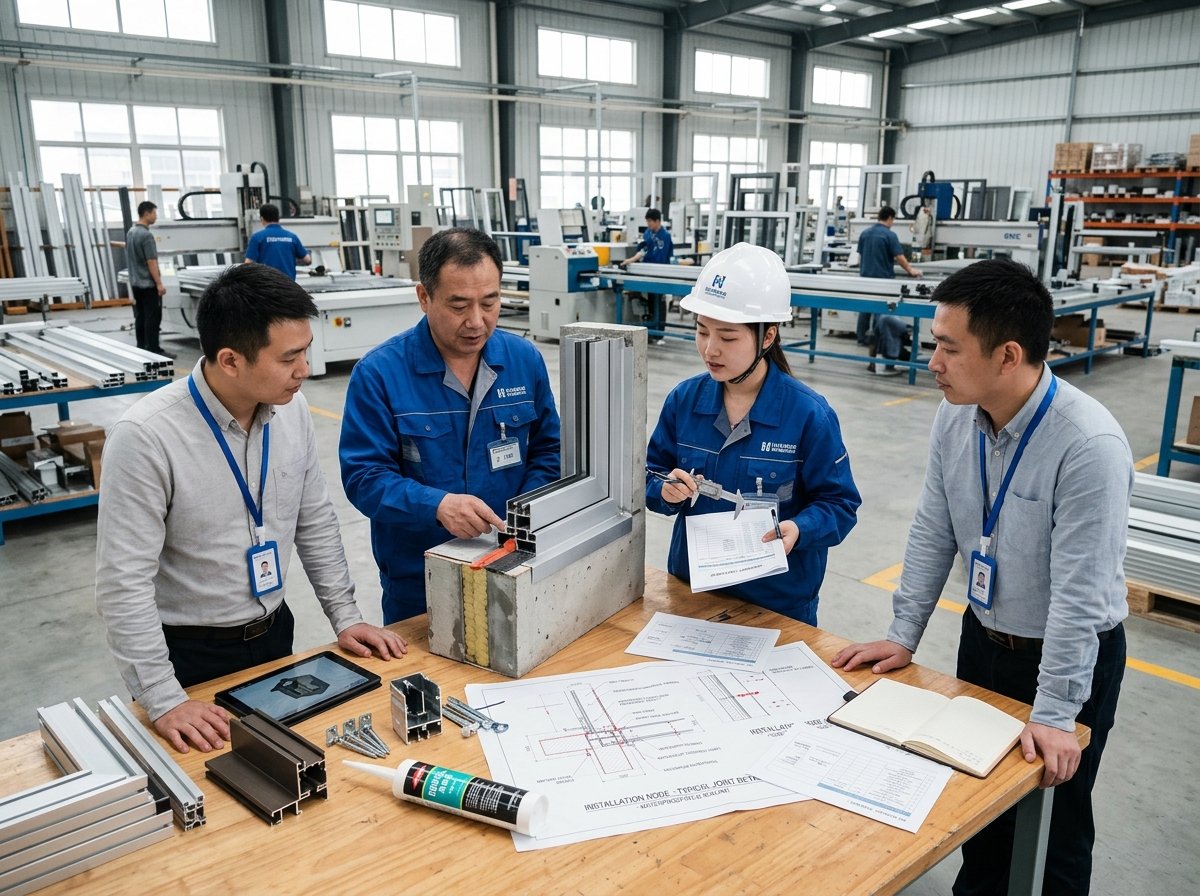
Several public complaints clearly show that performance problems are often not only product problems. Poor installation can direct water indoors, leave missing sealing parts, create top-corner gaps, and cause units to sit out of square. That leads to hard closing, lock issues, and leakage at the perimeter.
Contractors should confirm that the manufacturer provides clear installation guidance, including:
- Frame fixing method
- Sill and waterproof detail
- Sealant and backer rod guidance
- Packing block or shim position
- Tolerance recommendations
- Adjustment steps after installation
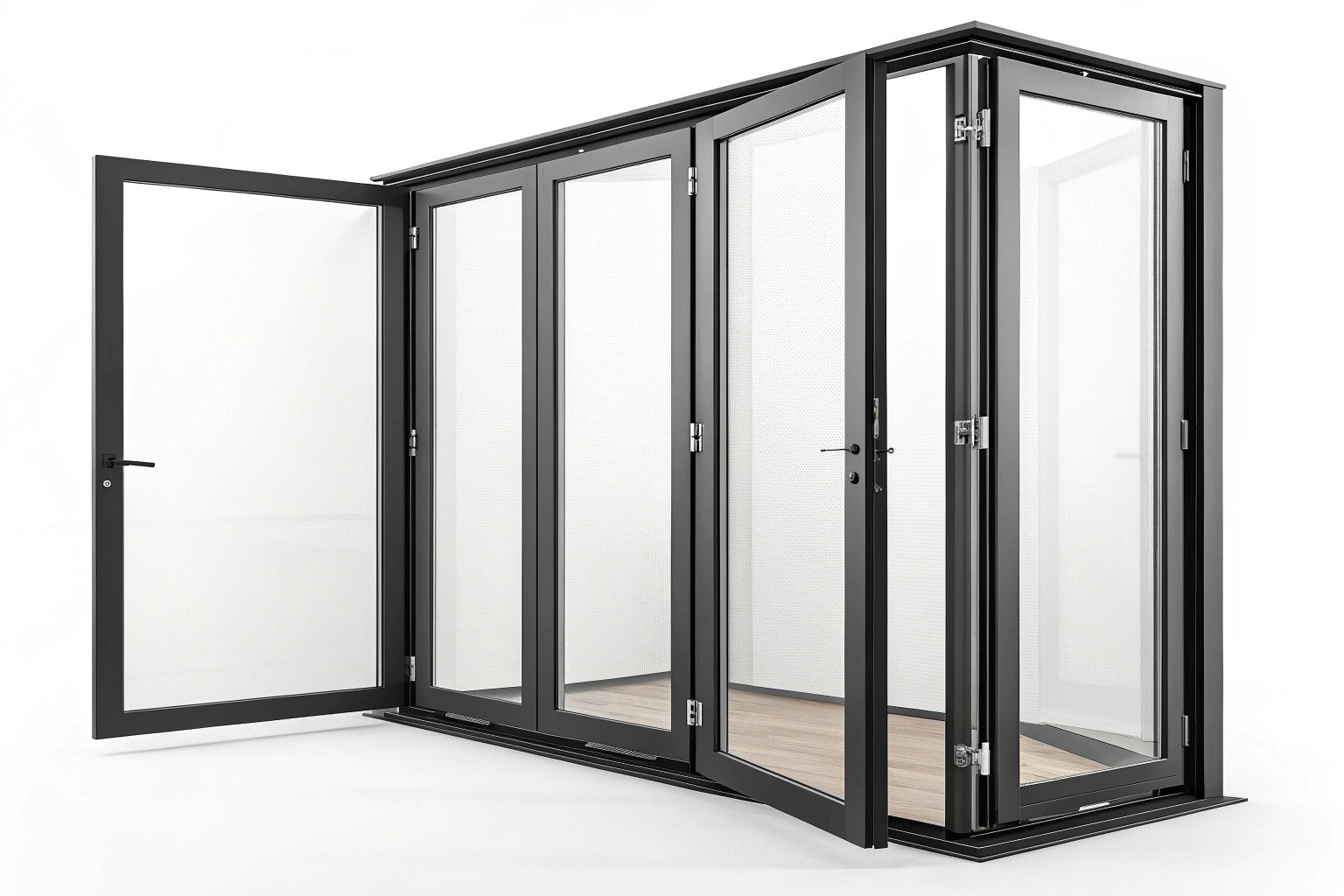
A real factory should do more than ship products. It should help the installer understand the correct system logic. This is especially important for sliding systems, multi-unit buildings, and areas with heavy wind or rain exposure.
Installation, Coordination, and After-Sales Support in Contractor Window Procurement?
Many suppliers focus heavily on quotation and sample approval. Contractor problems usually appear later, during delivery, installation, and after occupancy.
Contractor window procurement needs strong support in installation coordination, packing identity, technical follow-up, and after-sales response because most costly project disruptions happen after production, not before it.
Late deliveries, missing accessories, damaged frames, wrong labels, and poor replacement response are repeated complaints across the market. For contractors, these issues affect labor planning, inspection timing, and final completion.
What support contractors should expect
Delivery coordination
Products should be labeled clearly by building, floor, or opening code when needed. This saves site time and reduces sorting mistakes.
Technical follow-up
When an installation team has questions about alignment, sealing, or hardware adjustment, the manufacturer should respond quickly with drawings, photos, or instructions.
Damage and shortage handling
A reliable factory should have a clear process for reporting damage, identifying shortages, and arranging replacements or spare parts.
After-sales process
Leakage, lock alignment, sash drop, and glass issues should not be handled with vague promises. The supplier should give a defined review and action path.
This is where factory structure matters again. A manufacturer with in-house sales, design, and quality teams can usually close problems faster than a disconnected supply chain. That matters a lot for contractors managing multiple deadlines.
How Should Contractors Compare Manufacturers Before Making a Final Decision?
The final choice should not depend on unit price alone. Contractors need a full risk comparison.
Contractors should compare manufacturers by combining technical capability, product performance, documentation, delivery control, packaging quality, and service response into one decision, not by comparing price only.
A useful comparison method includes five areas:
| Comparison area | What to review |
|---|---|
| Factory capability | Real factory, in-house teams, OEM or ODM experience |
| Product reliability | Thermal break, sealing, drainage, hardware durability |
| Project support | Drawings, revisions, installation details, communication speed |
| Delivery quality | Lead time, labeling, packing, shortage control |
| After-sales response | Spare parts, warranty handling, technical follow-up |
Factories with experience serving brand owners, developers, distributors, and project buyers often understand these priorities better. Those with OEM and ODM background are usually better at repeat production, controlled specifications, and long-term supply continuity.
Conclusion
Contractors need more than a window supplier. The right partner is a real factory that can manage specification, production, installation support, and after-sales response with discipline. For current and upcoming building projects, send drawings or window schedules to start a proper review and quotation.