Meta Title: How Much Do Sliding Windows Cost in 2026? Aluminum Window Pricing Guide
Meta Description: Discover sliding window costs in 2026, including aluminum frame prices, glass options, installation expenses, customization, and key factors affecting your budget.
Suggested URL Slug: /sliding-window-cost/
How Much Do Sliding Windows Cost in 2026? A Complete Guide to Aluminum Sliding Window Prices
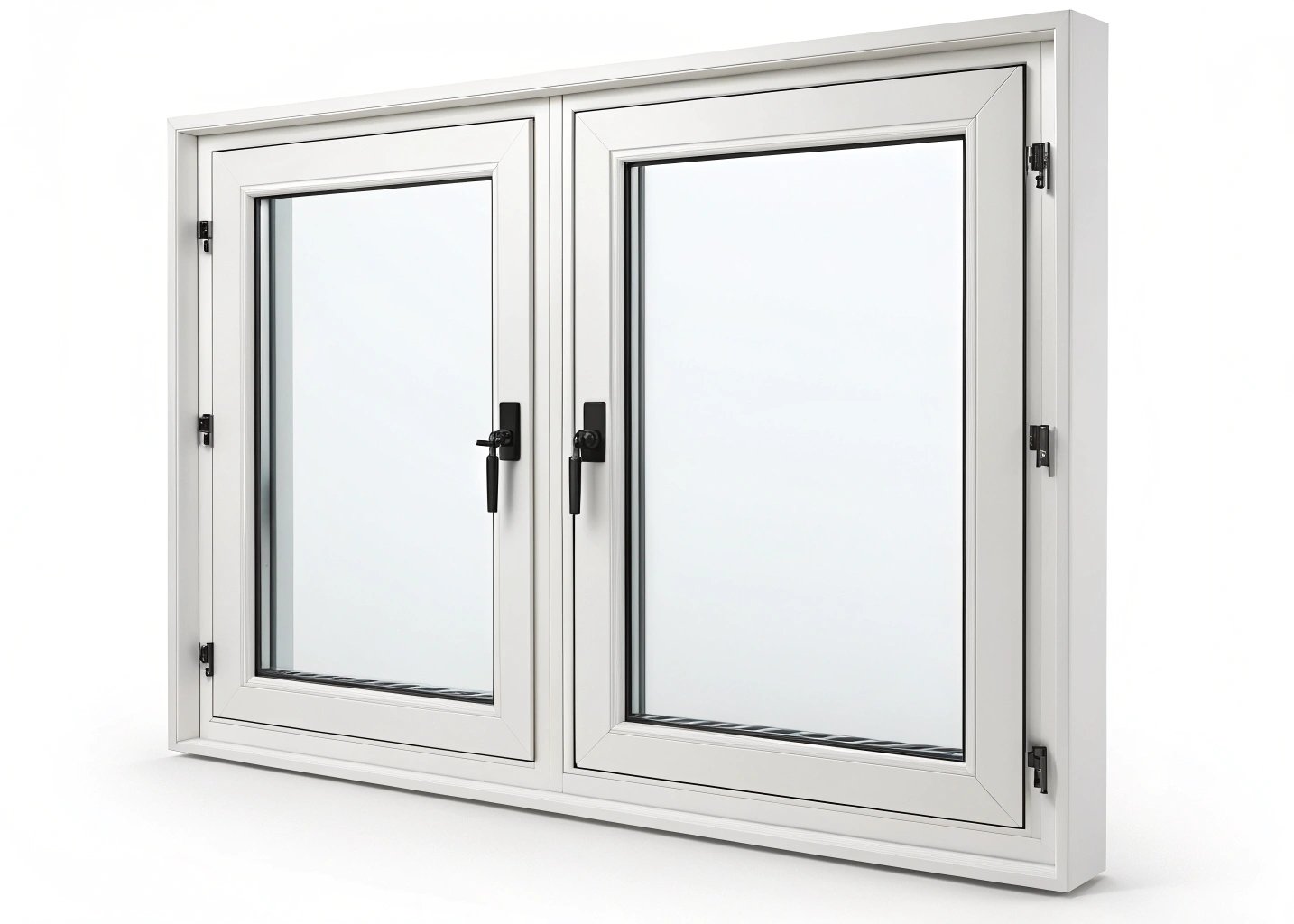
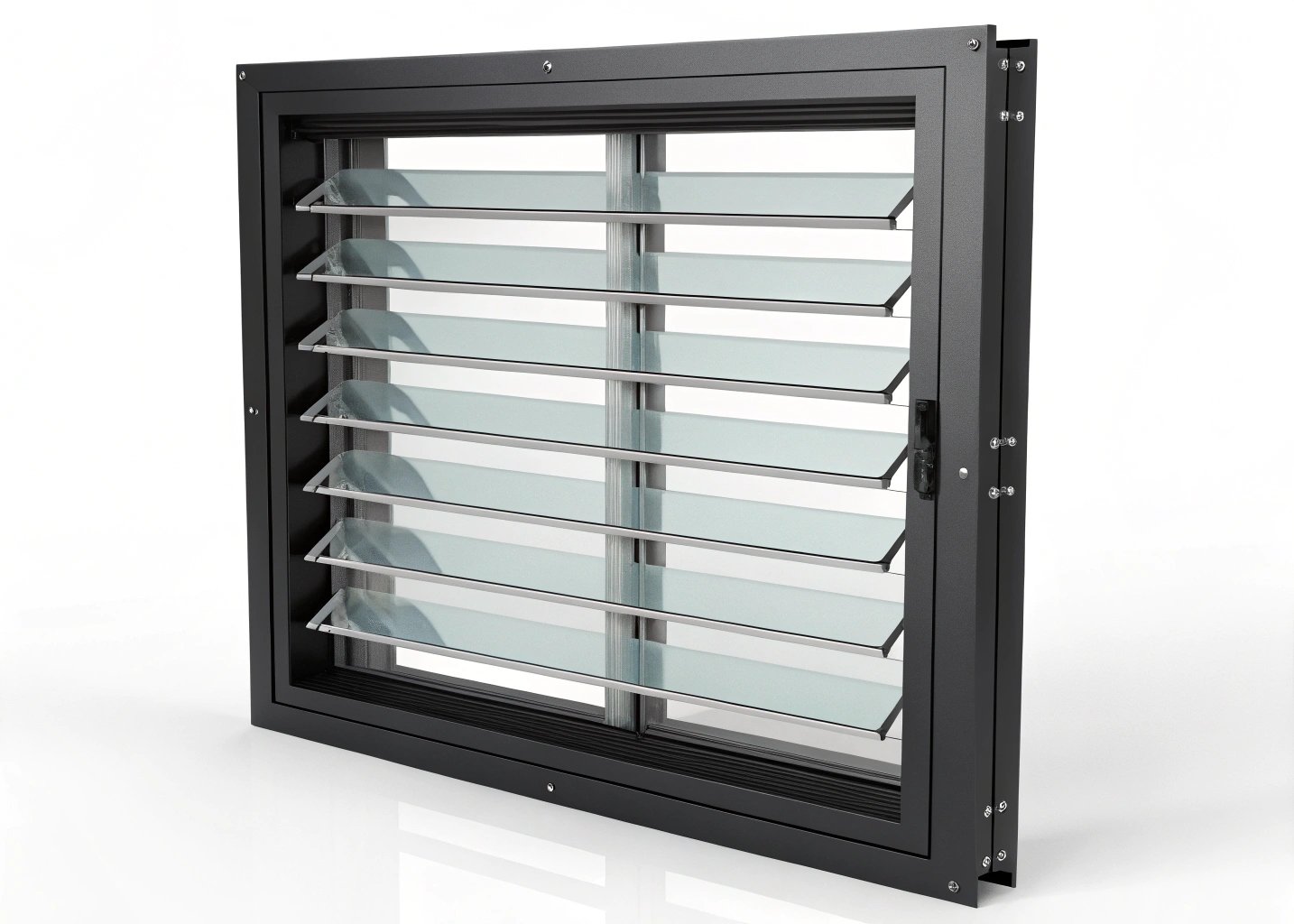
Sliding windows have become a popular choice for modern residential and commercial buildings. Their horizontal opening mechanism, clean appearance, and space-saving design make them suitable for a wide range of architectural applications, from apartments and private houses to hotels, office buildings, and large-scale developments.
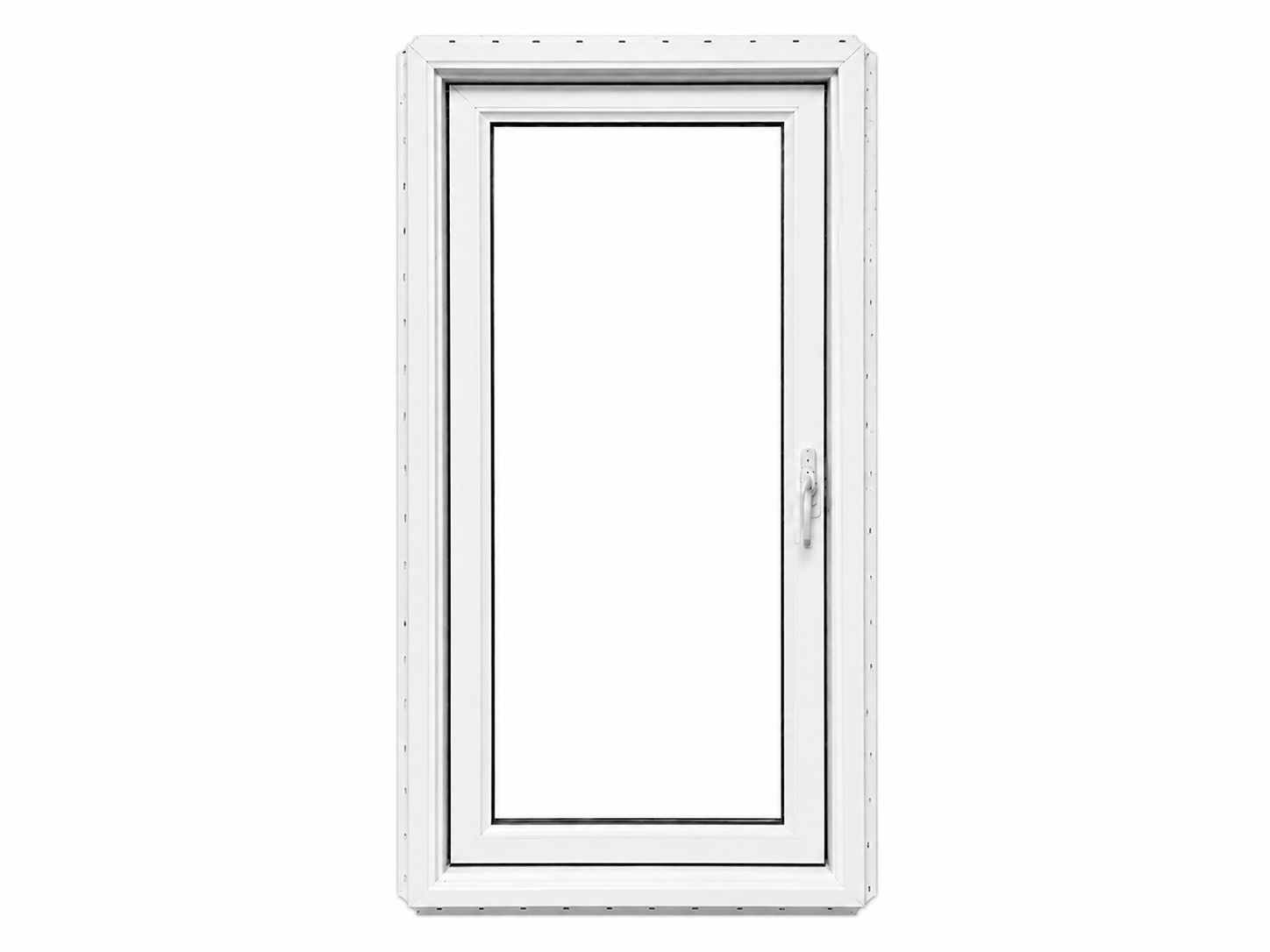
However, when planning a window replacement or construction project, one question usually comes first: How much do sliding windows cost?
The answer depends on more than the window’s dimensions. Frame material, aluminum profile specifications, thermal insulation, glass configuration, hardware quality, surface treatment, customization requirements, and installation conditions all influence the final price.
In 2026, the cost of a sliding window in the US residential replacement market generally ranges from approximately $500 to $1,500 per window, including standard installation. Higher-performance aluminum systems, oversized units, and customized architectural designs can cost considerably more. For reference, recent US cost estimates place aluminum sliding windows at approximately $600–$1,400 per installed unit, although actual quotations vary by project and location.
For builders, distributors, contractors, and property developers purchasing directly from manufacturers, the cost calculation is different. Factory-direct pricing generally covers the manufactured window unit rather than local installation, transportation to the building site, taxes, and other project expenses.
Understanding these differences is essential when comparing quotations and selecting the right sliding window system.
This guide examines the major factors affecting sliding window prices in 2026, explains the differences between aluminum and other frame materials, and provides practical advice for controlling procurement costs without compromising product performance.
How Much Do Sliding Windows Cost in 2026?
There is no single standard price for sliding windows because manufacturers offer different profile systems, dimensions, glass specifications, and hardware configurations.
A basic sliding window designed for a small residential opening will naturally cost less than a large, thermally broken aluminum unit with double glazing and customized finishes.
For a general understanding of the US market, the following figures provide useful budgeting references.
Average Sliding Window Cost by Frame Material
| Window Material | Estimated Material Cost | Estimated Installed Cost |
|---|---|---|
| Vinyl Sliding Windows | $200–$500 | $300–$800 |
| Standard Aluminum Sliding Windows | $300–$700 | $500–$1,000 |
| Thermal Break Aluminum Windows | $500–$1,000+ | $900–$1,600+ |
| Fiberglass Sliding Windows | $600–$1,200 | $800–$1,800 |
| Wood Sliding Windows | $600–$1,200+ | $900–$2,000+ |
Note: These are indicative US-market budgeting ranges, not fixed manufacturer quotations. Actual prices depend on dimensions, product configuration, supplier, regional labor rates, and installation requirements. The categories may overlap, particularly for custom products.
Aluminum sliding windows are particularly attractive for projects that require a balance between structural strength, modern appearance, and long-term durability.
Compared with vinyl, aluminum generally offers greater rigidity and allows manufacturers to design narrower frame profiles for larger glass areas. This makes it suitable for contemporary architecture, where natural light and unobstructed views are important design considerations.
Thermally broken aluminum systems typically cost more than standard aluminum windows because they incorporate additional components and more complex profile construction. Nevertheless, they can provide better insulation performance when properly designed and manufactured.
Sliding Window Cost by Size
Window dimensions have a direct impact on material consumption, glass requirements, profile reinforcement, packaging, and transportation.
Larger windows generally require more aluminum and glass. They may also need stronger rollers, reinforced meeting rails, additional locking points, and more careful structural engineering.
The following table provides approximate US installed-price ranges for common sliding window sizes.
| Window Size | Typical Application | Estimated Installed Cost |
|---|---|---|
| 24″ × 24″ | Small bathrooms or utility rooms | $200–$450 |
| 36″ × 24″ | Small bedrooms | $300–$600 |
| 36″ × 36″ | Bedrooms and residential spaces | $400–$750 |
| 48″ × 36″ | Standard residential openings | $450–$850 |
| 48″ × 48″ | Living rooms and bedrooms | $500–$1,000 |
| 60″ × 48″ | Larger residential openings | $650–$1,200 |
| 72″ × 60″ | Wide living-room openings | $900–$1,600+ |
These figures should be treated as preliminary estimates rather than a price list. A 72-inch-wide window with a basic frame and standard glass may cost substantially less than a similarly sized product with a heavy-duty aluminum system, laminated glass, and specialized hardware.
For custom projects, manufacturers normally calculate prices according to the actual window drawings and technical specifications.
What Factors Affect the Cost of Sliding Windows?
Two sliding windows with identical external dimensions can have significantly different prices. The reason is that their internal construction and performance requirements may be very different.
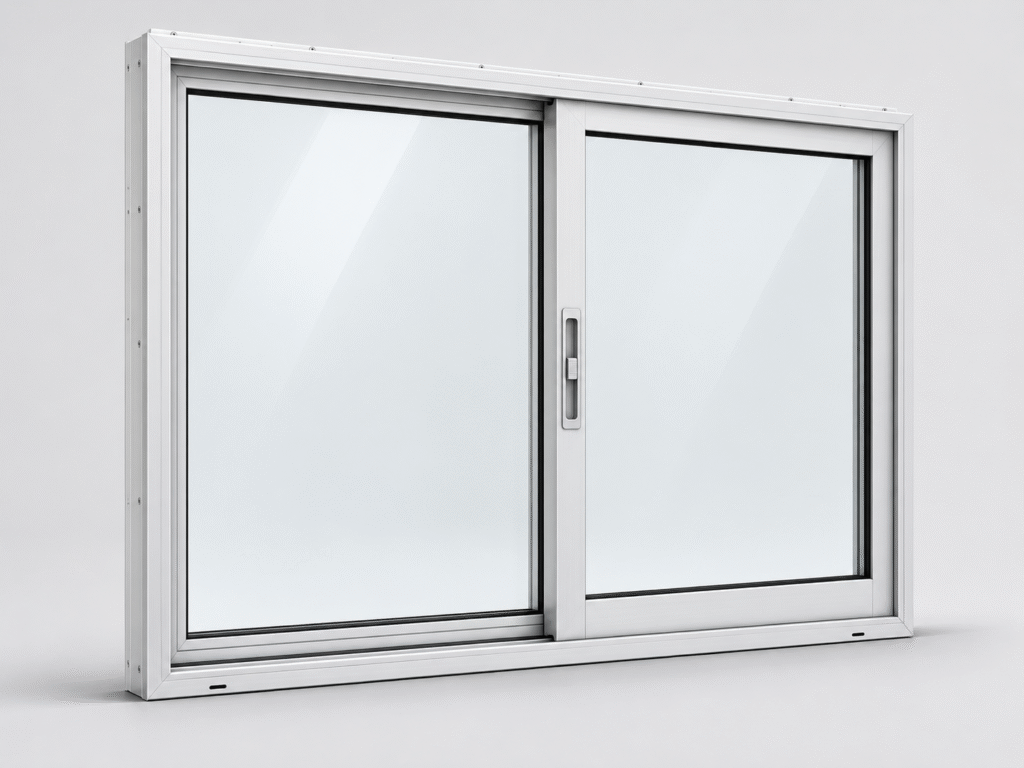
When evaluating quotations, buyers should look beyond the overall dimensions and examine the following components.
Aluminum Frame Material and Profile Design
The frame is one of the most important factors determining the overall price and performance of an aluminum sliding window.
Aluminum is widely used in modern window manufacturing because it combines relatively low weight with good structural strength, corrosion resistance, and design flexibility.
However, not all aluminum profiles are manufactured to the same specifications.
Several factors influence the cost of an aluminum window frame:
Profile Wall Thickness
The thickness of the aluminum profile affects its rigidity, structural stability, and ability to support the glass and moving sash.
Thicker profiles may be necessary for larger window dimensions, high-wind-load applications, or designs involving heavier glass.
Using an unnecessarily heavy profile can increase material costs without providing meaningful benefits. Conversely, choosing a profile that is too thin for the application may result in excessive deflection, difficult operation, or reduced long-term reliability.
The correct profile specification should therefore be determined according to window dimensions, structural requirements, wind pressure, and applicable building standards.
Aluminum Alloy Quality
Aluminum alloy composition and temper influence mechanical properties, including strength and resistance to deformation.
Manufacturers select appropriate aluminum materials according to the intended application and production requirements. Consistent material quality is important because it affects machining accuracy, assembly performance, and the durability of the finished product.
Profile Configuration
The number of chambers, drainage channels, reinforcement structures, and sealing arrangements can also influence manufacturing costs.
A more sophisticated profile system may require additional material and more complex extrusion and machining processes.
For buyers sourcing windows for commercial projects, comparing profile drawings and specifications is more useful than relying on general descriptions such as premium aluminum or heavy-duty aluminum.
Thermal Break Structure
Thermal performance is a major consideration when selecting aluminum sliding windows.
Aluminum is an excellent structural material, but it also conducts heat relatively easily. Without appropriate thermal insulation, heat can transfer through the frame, reducing the overall energy efficiency of the window.
Thermal break aluminum windows address this issue by incorporating a low-conductivity insulating material between the interior and exterior aluminum sections.
Polyamide strips are commonly used for this purpose.
By interrupting the direct thermal path through the frame, a thermal break system can reduce heat transfer and improve indoor comfort.
The additional manufacturing processes and materials generally make thermally broken aluminum windows more expensive than conventional aluminum systems.
However, the extra investment may be worthwhile in regions with significant temperature differences, strict energy-efficiency requirements, or high heating and cooling costs.
When comparing thermal break windows, buyers should examine the complete system rather than focusing only on whether the product contains an insulating strip.
The profile design, thermal break dimensions, glass configuration, sealing performance, and overall window construction all contribute to the finished product’s thermal performance.
Glass Type and Glazing Configuration
Glass is another major cost component, especially for sliding windows with large glazed areas.
The selected glass configuration affects not only the purchase price but also thermal insulation, sound reduction, safety, daylight transmission, and solar heat gain.
Single Glazing
Single glazing consists of one layer of glass. It is generally the most economical option and may be suitable for certain interior partitions, mild climates, or applications where thermal insulation is not a primary concern.
However, it provides limited insulation compared with modern insulated glazing systems.
For most new residential and commercial exterior applications, double glazing is worth considering.
Double Glazing
Double-glazed windows consist of two glass panes separated by a sealed cavity.
The cavity may contain air or an insulating gas, depending on the product specification.
This configuration reduces heat transfer compared with single glazing and can also improve acoustic performance when appropriate glass thicknesses and cavity dimensions are selected.
Double glazing is commonly specified for residential buildings, apartments, hotels, and office developments.
Triple Glazing
Triple glazing uses three glass panes and two insulating cavities.
It generally offers improved thermal insulation, although the additional glass increases the weight and cost of the window.
Triple glazing is most relevant to projects with demanding energy-performance targets or buildings located in colder climates.
Before selecting triple glazing, buyers should confirm that the sliding window’s profile, rollers, and hardware can support the additional weight.
Low-E Glass
Low-emissivity glass has a specialized coating designed to control radiant heat transfer.
Depending on the coating type and its position within the glazing unit, Low-E glass can help reduce unwanted solar heat gain or improve heat retention.
Its suitability depends on the building’s climate, orientation, and energy-performance requirements.
Tempered and Laminated Glass
Safety requirements may also influence the glass specification.
Tempered glass is heat-treated to improve its strength compared with ordinary annealed glass. When broken, it generally fragments into smaller pieces rather than large sharp shards.
Laminated glass consists of multiple glass layers bonded together using an interlayer. When damaged, the interlayer helps hold the fragments together.
Both options may increase the cost of a sliding window, but they can be important for safety, security, and code compliance.
For large glass panels, balcony-facing windows, and commercial buildings, the appropriate glass specification should be confirmed before manufacturing begins.
Hardware and Sliding Mechanism
The sliding mechanism directly affects how a window operates throughout its service life.
Unlike casement windows, which rely on hinges and opening hardware, sliding windows move horizontally along a track using rollers.
Although the mechanism appears relatively simple, the quality of its components has a significant influence on operating performance.
Important hardware components include:
- Rollers and roller assemblies
- Sliding tracks
- Locking handles
- Multi-point locking mechanisms
- Anti-lift devices
- Weatherstripping and sealing components
Roller quality is particularly important.
Poorly designed or low-quality rollers may cause uneven movement, excessive operating noise, premature wear, or difficulty opening and closing the sash.
For larger sliding windows, the roller system must be selected according to the sash weight and dimensions.
The track should also provide sufficient structural support while allowing smooth movement and effective water management.
A well-designed sliding window system should balance ease of operation, durability, drainage, and sealing performance.
Choosing cheaper hardware may reduce the initial purchase price, but frequent maintenance or component replacement can increase the total cost of ownership.
Surface Treatment and Frame Color
The finish of an aluminum sliding window affects both appearance and product cost.
Aluminum profiles can be treated using different surface-finishing processes, including powder coating, anodizing, and wood-grain finishes.
Powder Coating
Powder coating is widely used for architectural aluminum profiles.
It provides a durable surface finish and allows manufacturers to offer a broad range of colors, including black, white, gray, champagne, and customized shades.
The final cost depends on the coating specification, color requirements, and production quantity.
Anodizing
Anodizing creates a protective oxide layer on the aluminum surface.
It is commonly selected for architectural applications that require a metallic appearance and a durable surface.
The finish may be available in natural aluminum tones and other specified colors.
Wood-Grain Finishes
Wood-grain finishes combine the structural characteristics of aluminum with an appearance inspired by natural timber.
They are often selected for residential projects where traditional aesthetics need to be combined with relatively low-maintenance materials.
Custom colors and specialized finishes may increase production costs, especially for smaller orders.
For distributors and project buyers, confirming the color code and surface-treatment requirements before production can help avoid costly discrepancies between samples and finished products.
Customization and Manufacturing Requirements
Standard-size windows are generally more economical because manufacturers can use established production specifications and repeatable manufacturing processes.
Custom sliding windows require additional design coordination and may involve adjustments to profile cutting, machining, reinforcement, glass sizing, hardware selection, and assembly.
The following requirements may increase the final quotation:
- Non-standard width or height
- Special opening configurations
- Oversized glass panels
- Customized frame colors
- Specialized glass specifications
- Additional security features
- Project-specific wind-load requirements
- Special packaging and export requirements
Customization is not necessarily a disadvantage.
For architectural projects, a window designed around the actual opening and performance requirements may provide better installation compatibility and long-term results than a standard product that requires extensive on-site modification.
The key is to establish the specifications early and provide accurate technical drawings before manufacturing.
Aluminum Sliding Windows vs. Vinyl Sliding Windows: Which Is More Cost-Effective?
Both aluminum and vinyl sliding windows have advantages, but their suitability depends on the building design, climate, budget, and expected service conditions.
| Comparison | Aluminum Sliding Windows | Vinyl Sliding Windows |
|---|---|---|
| Structural Strength | High rigidity | Generally lower rigidity |
| Frame Appearance | Slim, modern profiles | Usually thicker profiles |
| Large Openings | Well suited to many large designs | May require more substantial framing |
| Thermal Performance | Improved with thermal breaks | Naturally lower thermal conductivity |
| Color Options | Extensive finish choices | Color options vary by system |
| Maintenance | Generally low | Generally low |
| Design Flexibility | High | Depends on profile system |
| Typical Initial Cost | Moderate to high | Low to moderate |
When Aluminum Sliding Windows Are the Better Choice
Aluminum is particularly suitable for projects that prioritize structural stability, slim frame designs, larger glass areas, and contemporary architectural styles.
It is commonly specified for:
- Modern residential buildings
- Luxury villas
- High-rise apartments
- Hotels and resorts
- Commercial developments
- Projects requiring customized window dimensions
Another advantage is the flexibility of aluminum extrusion. Manufacturers can develop different profile configurations to meet specific design and structural requirements.
For buyers working on projects with consistent architectural specifications, this flexibility can be especially valuable.
When Vinyl Sliding Windows Make More Sense
Vinyl windows are often selected for projects where initial purchasing cost and thermal insulation are the primary considerations.
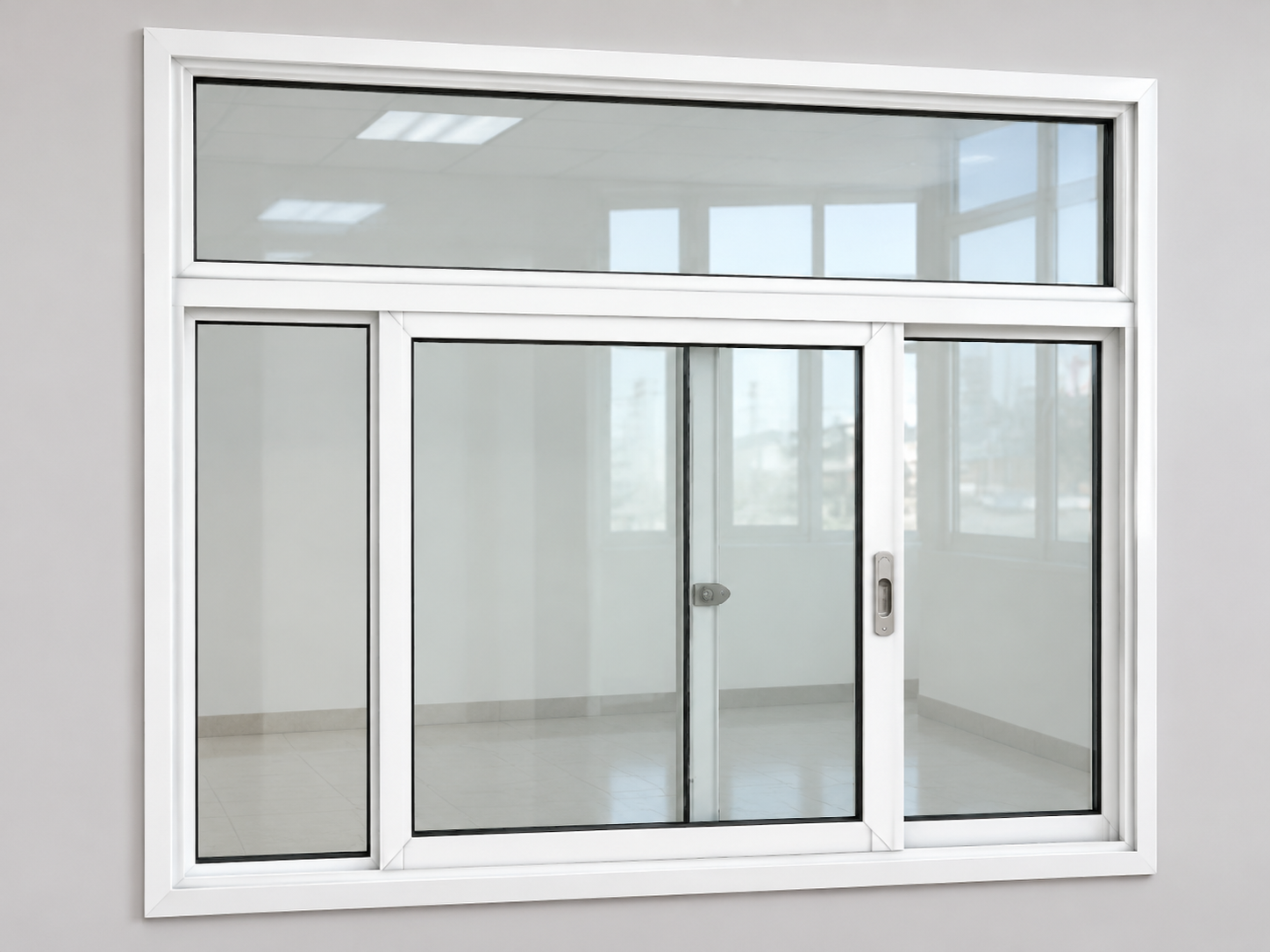
They are widely used in residential markets and can provide practical performance with relatively low maintenance requirements.
However, the design limitations of a particular vinyl system should be considered when specifying large openings or narrow frame profiles.
The most economical choice is not necessarily the one with the lowest purchase price. Buyers should evaluate expected service life, maintenance requirements, energy performance, and replacement costs.
How Much Does It Cost to Install Sliding Windows?
The price of a sliding window is only one part of the total project budget.
Installation costs depend on the building structure, existing opening conditions, accessibility, local labor rates, and the installation method.
For a typical US residential project, standard installation labor may cost approximately $150–$400 per window, although complex installations can be substantially more expensive.
Replacement Window Installation
Replacement installation is generally less expensive when the existing window opening and surrounding structure are in good condition.
The contractor removes the existing window components and fits the replacement unit into the prepared opening.
This approach may reduce labor costs because it avoids extensive demolition and reconstruction.
However, the existing frame must be checked for water damage, corrosion, deformation, and other structural problems before the replacement method is selected.
Full-Frame Installation
Full-frame installation involves removing the existing window frame down to the rough opening.
This method allows installers to inspect the surrounding structure, replace damaged materials, improve insulation, and install a new complete window assembly.
It is often appropriate for older buildings or openings with deteriorated frames.
Because the process may involve additional demolition, sealing, insulation, and finishing work, the total cost is usually higher.
New Construction Installation
New construction projects generally offer more flexibility because window dimensions and installation details can be incorporated into the architectural plans.
The window system can be specified according to the building structure, wall assembly, drainage requirements, and exterior finishing materials.
For these projects, coordination between the architect, contractor, and window manufacturer is essential.
Accurate drawings and early technical confirmation can reduce installation adjustments and prevent unnecessary project expenses.
Additional Costs Buyers Should Consider
A quotation that includes only the window unit may not represent the complete project cost.
Before approving a purchase, buyers should identify all additional expenses that may apply.
Transportation and Shipping
For international orders, transportation can represent a significant part of the procurement budget.
The final shipping cost depends on order volume, packaging dimensions, destination, shipping method, and current freight rates.
Aluminum sliding windows are often manufactured to project-specific dimensions, so packaging must provide adequate protection for glass panels, frame corners, tracks, and hardware.
For overseas shipments, buyers should also confirm whether the quotation includes export packaging, port handling, customs-related charges, and inland delivery.
Removal and Disposal of Existing Windows
Replacement projects may require the removal and disposal of old windows.
The cost depends on the number of units, glass size, building access, and local disposal requirements.
Some installation quotations include removal, while others list it as a separate service.
Structural Modifications
If the existing opening is too small, too large, or structurally damaged, additional work may be necessary.
Possible expenses include:
- Rebuilding the window opening
- Replacing damaged timber or masonry
- Installing additional structural support
- Repairing exterior walls
- Replacing interior trim
- Improving waterproofing around the opening
These expenses are particularly important when converting an existing window into a wider sliding window.
Permits and Inspection
Some regions require permits or inspections for window replacement and new construction.
Requirements vary according to local building regulations and project scope.
Commercial buildings and multi-unit developments may also require additional documentation relating to structural performance, fire safety, energy efficiency, and product certification.
Buyers should confirm these requirements before placing an order.
How to Choose the Right Sliding Window Configuration for Your Project
Selecting a sliding window should begin with the building’s functional and technical requirements rather than the available product price.
A window that performs well in one climate or building type may not be suitable for another.
Consider the Local Climate
Climate influences the selection of aluminum profiles, glass configurations, and sealing systems.
In colder regions, thermal insulation and condensation resistance may be major priorities.
In warmer climates, controlling solar heat gain and maintaining effective ventilation may be more important.
Buildings exposed to heavy rainfall or strong winds require particular attention to frame design, drainage channels, weatherstripping, and structural performance.
The appropriate specifications should be based on local environmental conditions and applicable building codes.
Evaluate Energy Performance
Energy performance should be assessed using measurable product characteristics.
Two important indicators are U-factor and Solar Heat Gain Coefficient (SHGC).
U-factor measures the rate of heat transfer through the window. A lower U-factor generally indicates better insulation.
SHGC measures how much solar heat enters through the window. A lower SHGC means less solar heat gain.
However, the ideal values depend on climate and building orientation. A specification suitable for a cold northern region may not be optimal for a hot southern climate.
For projects in the United States, buyers can refer to NFRC-rated product information and relevant ENERGY STAR criteria when specifying performance requirements.
The US Department of Energy also emphasizes that window energy performance depends on climate-specific U-factor and SHGC requirements.
Check Wind Resistance and Structural Requirements
Large sliding windows can be exposed to considerable wind pressure, particularly in high-rise buildings and coastal areas.
The frame, glass, reinforcement, hardware, and fixing method must work together to resist the expected loads.
For projects with demanding structural requirements, the manufacturer should review the opening dimensions, design pressure, glass specifications, and relevant test standards before production.
A product that looks suitable in a catalog may not necessarily meet the structural requirements of a particular building.
Pay Attention to Waterproofing and Airtightness
Sliding windows rely on tracks, drainage paths, seals, and frame connections to manage water and air infiltration.
Poor drainage design can lead to water accumulation in the track. Inadequate sealing may result in drafts, dust infiltration, or reduced indoor comfort.
Buyers should ask about the window’s drainage arrangement, weatherstripping materials, sealing configuration, and relevant performance test results.
These details are especially important for exterior windows exposed to wind-driven rain.
Select Hardware According to Window Weight
The weight of a sliding sash is influenced by its dimensions, aluminum profile, and glass configuration.
Larger or heavier windows require suitable rollers and tracks.
The hardware should be selected according to the manufacturer’s rated load capacity rather than simply choosing the least expensive available option.
Smooth operation, stable movement, and long-term component durability are important considerations for both residential and commercial buildings.
How to Reduce Sliding Window Costs Without Sacrificing Quality
Reducing procurement costs does not mean choosing the cheapest available profile or glass configuration.
A more effective approach is to optimize product specifications, manufacturing efficiency, and purchasing arrangements.
Standardize Window Dimensions Where Possible
Custom dimensions increase production complexity.
For projects involving multiple apartments, hotel rooms, or residential units, standardizing window sizes can improve manufacturing efficiency and reduce unnecessary material waste.
Architects and contractors should coordinate window schedules early in the design process to identify opportunities for standardization.
Select Glass Based on Actual Performance Requirements
More expensive glass is not automatically better for every project.
For example, triple glazing may offer limited additional value in a mild climate if the building does not require such a high level of insulation.
Similarly, selecting a particular Low-E coating without considering solar orientation may produce an unsuitable balance between daylight and solar heat gain.
The most cost-effective approach is to choose glass according to the building’s climate, energy targets, safety requirements, and budget.
Avoid Unnecessary Custom Finishes
Special colors and decorative finishes can increase manufacturing costs, particularly when the order quantity is small.
If the project allows some flexibility, selecting from established standard finishes may help reduce costs and simplify production scheduling.
Purchase Multiple Windows in One Order
Bulk purchasing can improve production efficiency and reduce per-unit costs.
Manufacturers may be able to optimize material purchasing, profile cutting, surface treatment, assembly, inspection, and packaging when producing larger quantities.
For contractors, developers, and distributors, consolidating orders may also improve logistics efficiency.
However, buyers should confirm that all windows meet the same approved specifications before combining orders.
Work Directly With a Window Manufacturer
Purchasing directly from a manufacturer can provide better visibility into product specifications, customization possibilities, and production arrangements.
It also allows buyers to communicate technical requirements directly with the factory instead of relying entirely on third-party product descriptions.
For overseas projects, a manufacturer with export experience can help coordinate drawings, samples, production schedules, quality inspections, and packaging requirements.
The actual savings depend on order volume, shipping arrangements, product complexity, and the services included in the quotation.
Why Choose ZUMWIN for Custom Aluminum Sliding Windows?
Selecting a suitable manufacturer is just as important as selecting the right window material.
For international buyers, the manufacturer must be able to understand project requirements, maintain consistent production quality, and coordinate technical details throughout the order process.
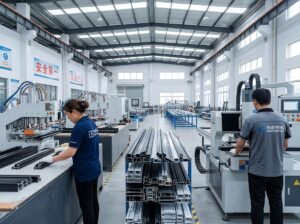
ZUMWIN is a professional doors and windows manufacturer with more than 12 years of industry experience, providing customized aluminum and uPVC window and door solutions for residential and commercial projects.
Its manufacturing facility covers more than 130,000 square feet and operates under an ISO 9001-certified quality management system.
For sliding window projects, ZUMWIN offers customization options covering dimensions, profile configurations, glass specifications, frame finishes, and hardware selection.
The product range includes aluminum sliding windows and uPVC sliding windows designed for different architectural styles and application requirements.
Customized Solutions for Different Project Requirements
Different projects require different window configurations.
A residential apartment may prioritize ventilation, sound insulation, and ease of operation. A coastal villa may require more attention to corrosion resistance, waterproofing, and structural performance. A commercial development may focus on consistent specifications, procurement efficiency, and installation coordination.
ZUMWIN works with customers to evaluate these requirements and develop suitable product configurations.
Manufacturing and Quality Control
Consistent product quality depends on more than the final assembly process.
Material selection, profile processing, dimensional accuracy, component installation, surface finishing, and final inspection all contribute to the performance of the finished window.
ZUMWIN’s manufacturing operations emphasize precision processing, controlled production procedures, and product inspection before shipment.
This approach helps support reliable product consistency for both individual orders and larger project requirements.
Flexible Ordering and OEM/ODM Support
For wholesalers, distributors, contractors, and developers, product customization and supply coordination can be important factors when selecting a manufacturing partner.
ZUMWIN supports OEM and ODM requirements, with a minimum order quantity starting from 30 units.
Its services are designed to support customers who need customized product specifications, project-based manufacturing, and coordinated international supply.
Rather than selecting a product based solely on a general catalog description, buyers can provide their drawings, dimensions, and performance requirements to obtain a more accurate quotation.
Explore ZUMWIN’s custom aluminum sliding windows to learn more about available product configurations and customization options.
What Information Do You Need to Get an Accurate Sliding Window Quote?
One of the most common reasons for price differences between manufacturers is that buyers are not comparing identical product specifications.
A quotation based only on window width and height is rarely sufficient for a customized aluminum sliding window.
To receive a more accurate quotation, prepare the following information before contacting a manufacturer.
Window Dimensions
Provide the width and height of each window opening, together with the required frame dimensions.
If available, architectural drawings or a detailed window schedule are preferable.
Window Configuration
Specify whether the window requires two sliding panels, three panels, fixed sections, or another customized arrangement.
Frame Material and Profile
Confirm whether you need standard aluminum, thermal break aluminum, or uPVC profiles.
Where possible, provide the preferred profile series or technical drawings.
Glass Specifications
Indicate whether the project requires single, double, or triple glazing.
Also specify glass thickness, Low-E coatings, tempered glass, laminated glass, or other relevant requirements.
Hardware Requirements
Describe the expected locking system, roller configuration, handle design, and any additional security requirements.
Surface Finish
Provide the preferred frame color, powder coating or anodizing requirements, and any applicable finish standards.
Project Location
The installation location is important because climate, wind pressure, building codes, and environmental conditions can influence product selection.
Order Quantity
Indicate the estimated number of windows and whether the order will be delivered in one shipment or multiple batches.
Delivery Requirements
Specify the destination port or delivery address and the required delivery schedule.
With these details, a manufacturer can evaluate the project more accurately and provide a quotation that reflects the actual product configuration.
Frequently Asked Questions About Sliding Window Costs
Are aluminum sliding windows more expensive than vinyl windows?
Generally, yes. Aluminum sliding windows often have a higher initial purchase price than standard vinyl windows, particularly when they use thermal break profiles, customized finishes, and higher-performance glazing.
However, aluminum offers greater structural rigidity and design flexibility, making it suitable for larger openings and modern architectural projects.
The best option depends on the required dimensions, climate, appearance, and long-term performance expectations.
How much does a standard aluminum sliding window cost?
The price varies according to dimensions, profile specifications, glass configuration, and hardware.
In the US residential market, a standard aluminum sliding window may cost approximately $500–$1,000 installed. Higher-performance thermal break systems and customized designs can exceed this range.
For wholesale and factory-direct orders, the product price is normally calculated according to project specifications and order quantity.
Are thermal break aluminum sliding windows worth the extra cost?
They can be, particularly in regions with significant temperature differences or buildings with strict energy-efficiency requirements.
Thermal break structures reduce heat transfer through the aluminum frame and can improve indoor comfort.
However, the overall performance also depends on the glass unit, seals, frame design, and installation quality.
Do larger sliding windows cost more?
Yes. Larger windows generally require more aluminum, larger glass panels, stronger hardware, and additional structural consideration.
Oversized units may also require specialized packaging, handling equipment, and installation procedures.
The final price should be based on the complete window configuration rather than dimensions alone.
How long do aluminum sliding windows last?
The service life depends on material quality, surface treatment, hardware durability, environmental exposure, installation, and maintenance.
Well-designed aluminum windows can provide many years of service, but no single lifespan can be guaranteed for every product and environment.
Regular cleaning of tracks, inspection of seals, and maintenance of moving components help preserve operating performance.
Are sliding windows suitable for coastal areas?
They can be suitable, provided the product is specified for the environmental conditions.
Coastal projects should pay particular attention to corrosion resistance, surface treatment, hardware materials, drainage, and sealing systems.
The manufacturer should review the project’s exposure conditions and applicable requirements before confirming the specification.
What is the difference between a standard aluminum sliding window and a thermal break sliding window?
A standard aluminum sliding window uses aluminum profiles without an insulating barrier between the interior and exterior sections.
A thermal break sliding window incorporates a low-conductivity material, commonly a polyamide strip, to interrupt heat transfer through the frame.
The thermal break version generally costs more but can provide improved insulation performance.
Can sliding windows be customized for commercial projects?
Yes. Many manufacturers offer customized dimensions, profile systems, glazing options, colors, hardware, and opening configurations.
Commercial projects should provide architectural drawings, structural requirements, and relevant performance specifications before production.
Is buying directly from a sliding window manufacturer cheaper?
Buying directly from a manufacturer may reduce intermediary costs and provide greater control over customization and technical communication.
However, the final landed cost also includes transportation, insurance where applicable, import duties, taxes, and local installation.
Buyers should compare complete quotations rather than looking only at the factory unit price.
Final Thoughts: What Is the Right Budget for Sliding Windows in 2026?
The cost of sliding windows in 2026 depends on the relationship between product design, material selection, glass performance, manufacturing requirements, and installation conditions.
For homeowners, a basic sliding window may be sufficient for a straightforward replacement project. For modern residential buildings, villas, hotels, and commercial developments, aluminum sliding windows offer greater design flexibility and structural advantages, particularly when larger glass areas are required.
Thermal break profiles, appropriate glazing, reliable hardware, and effective sealing systems can increase the initial investment, but these features should be evaluated according to the building’s actual performance requirements.
For contractors, distributors, and project developers, obtaining an accurate factory quotation requires more than a simple size specification. Detailed drawings, glass requirements, profile configurations, finish selections, and order quantities all contribute to the final cost.
ZUMWIN provides customized aluminum sliding window solutions for residential and commercial applications, supported by manufacturing experience, flexible product configurations, and OEM/ODM services.
If you are planning a new construction project, replacing existing windows, or sourcing sliding windows for wholesale distribution, contact ZUMWIN with your project drawings and specifications to discuss a suitable solution and request a customized quotation.
ZUMWIN — Your Professional Partner for Custom Aluminum Windows and Doors.