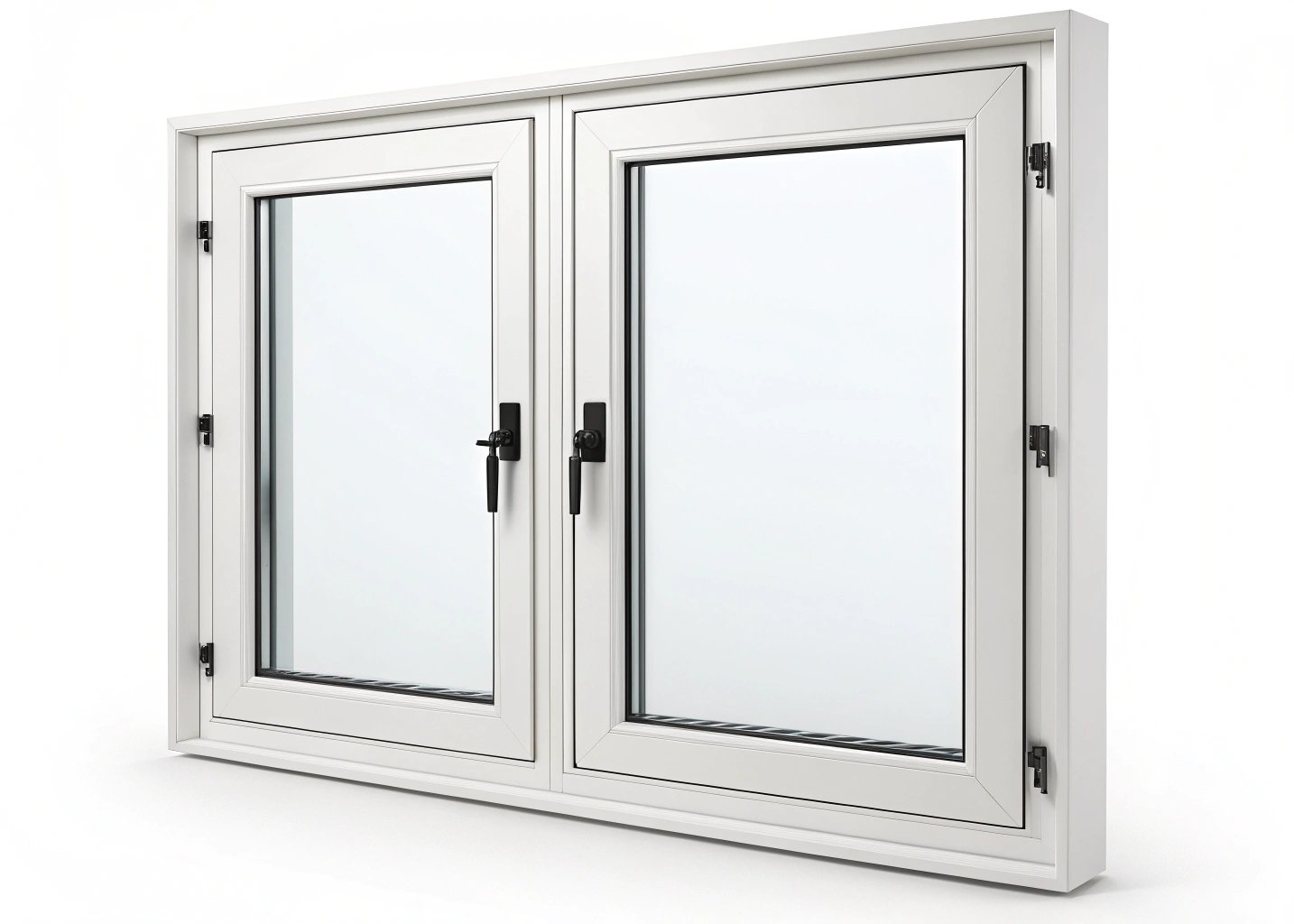
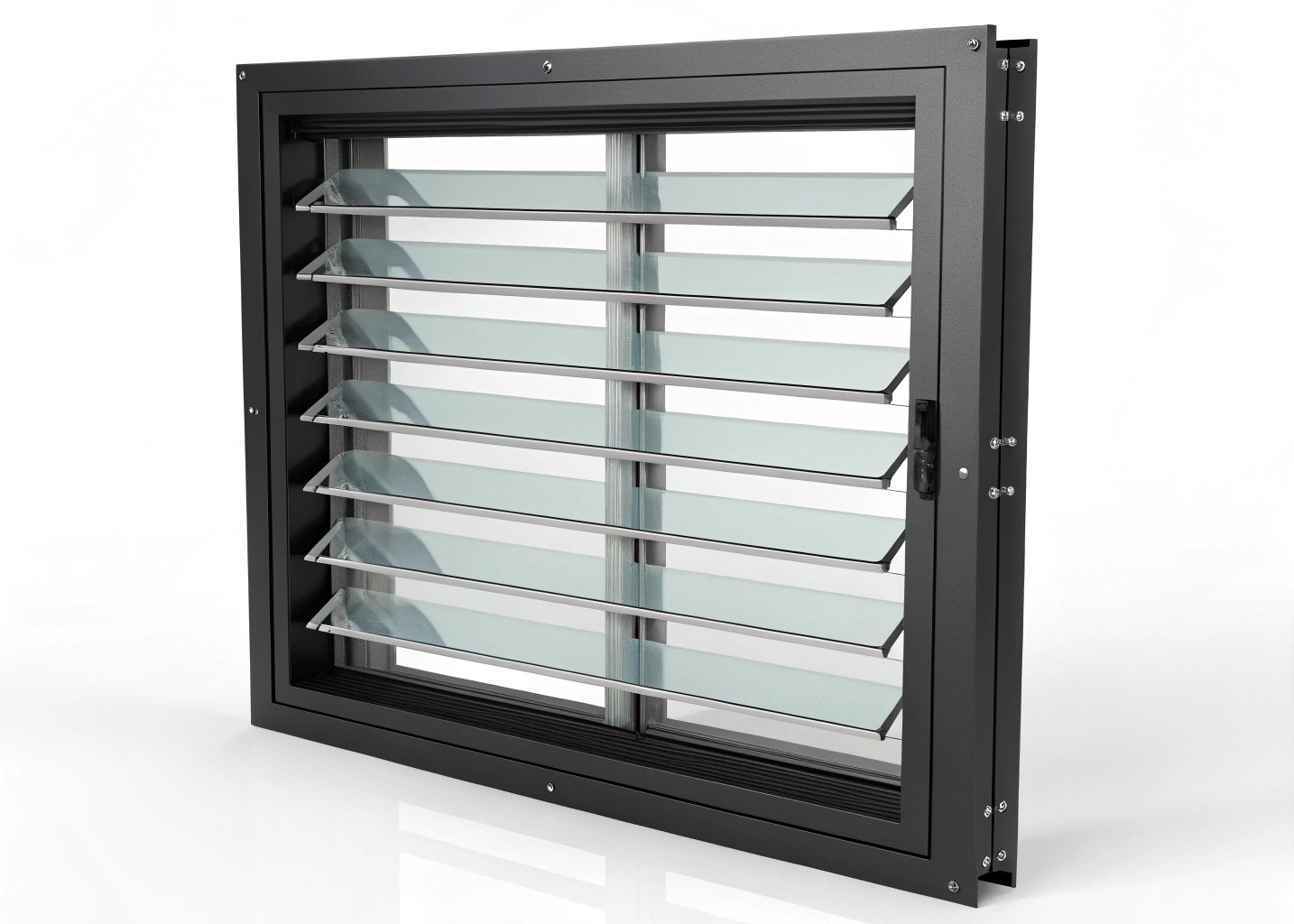
Both sliding doors and screen doors can transform your living space—but they serve very different purposes. Choosing between them depends on your home’s design, climate, and lifestyle.
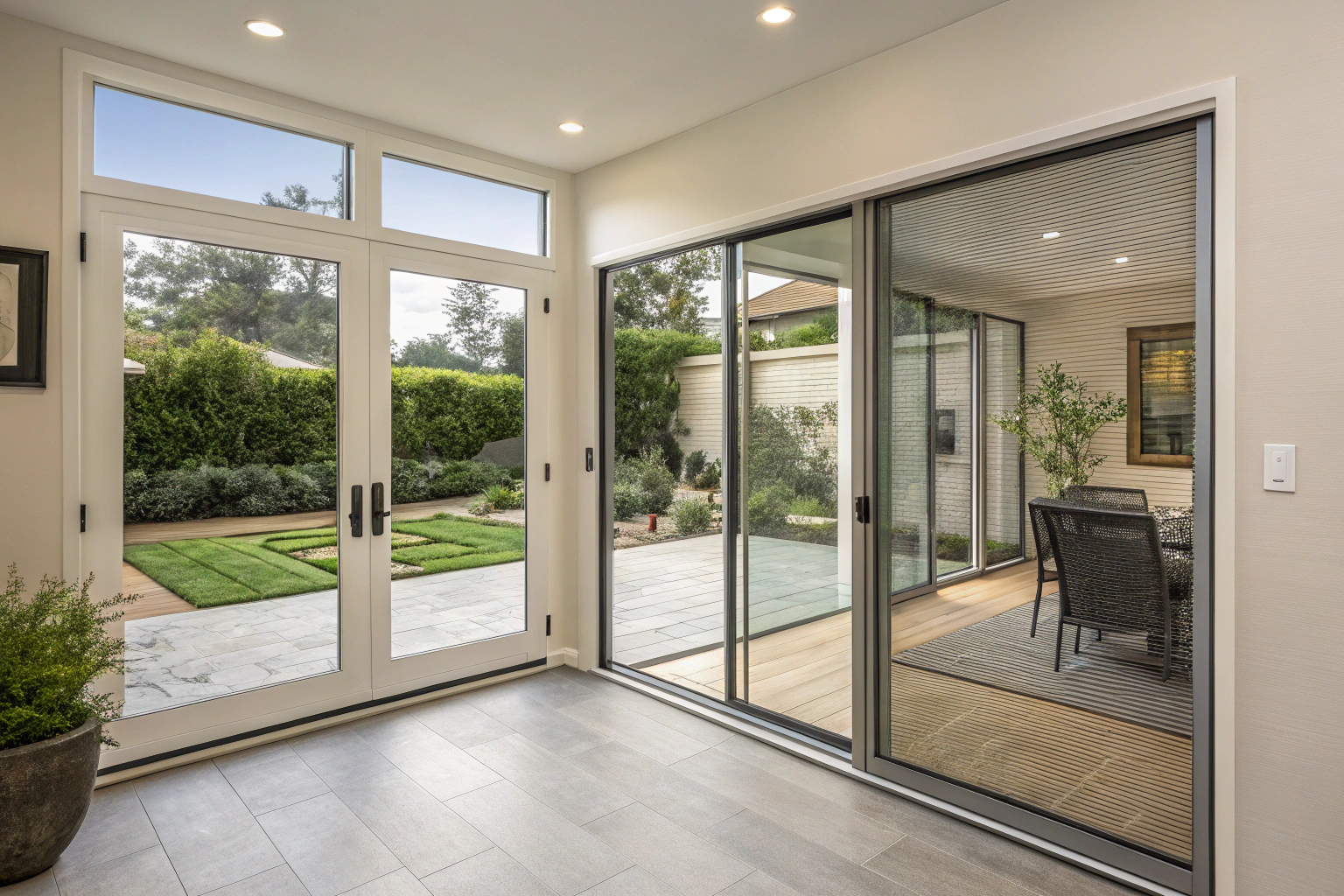
Sliding doors offer elegance and visibility, while screen doors provide ventilation and insect protection—each fits different home needs.
If you’re planning to upgrade your home’s entryway or patio, understanding how each door functions will help you make the best decision. Let’s compare their key features to find which one suits your home better.
What is a sliding door and how does it work?
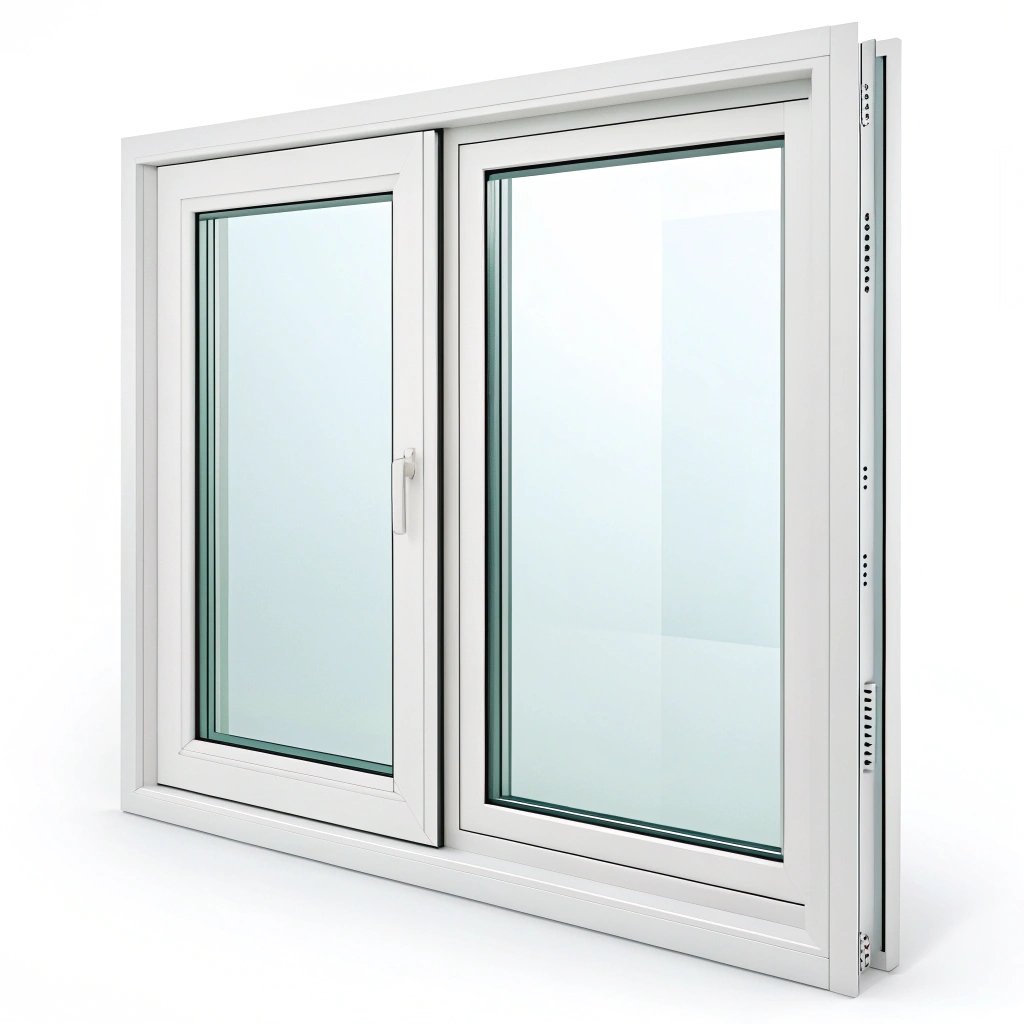
Sliding doors are made of large glass panels that glide horizontally on tracks.
They maximize natural light and provide wide, unobstructed openings to outdoor spaces.
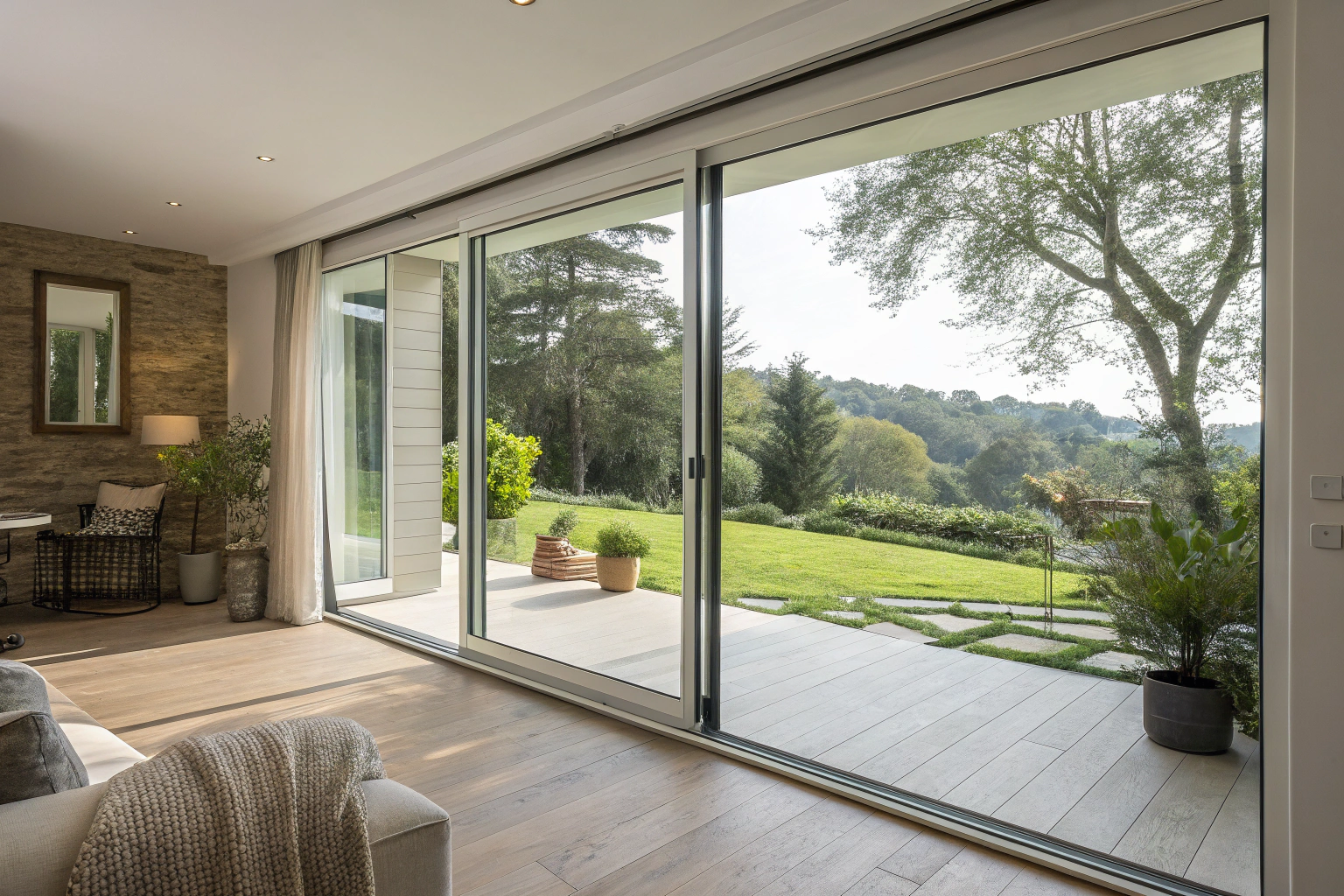
A seamless connection between indoors and outdoors
Sliding doors typically consist of two or more panels, one of which moves along a bottom rail. This design saves space and creates a clean, modern aesthetic that suits contemporary homes.
Our factory produces aluminum sliding door systems with precision rollers and anti-lift designs for smooth and safe operation. We offer both standard and thermal break models, ensuring excellent insulation and durability. With customizable glass thickness (5mm–24mm) and frame finishes, these doors deliver performance and visual appeal for patios, balconies, and living rooms alike.
What is a screen door and why is it useful?
Screen doors are lightweight barriers that allow air in while keeping insects and debris out.
They’re ideal for improving ventilation and comfort—especially in warm or humid climates.
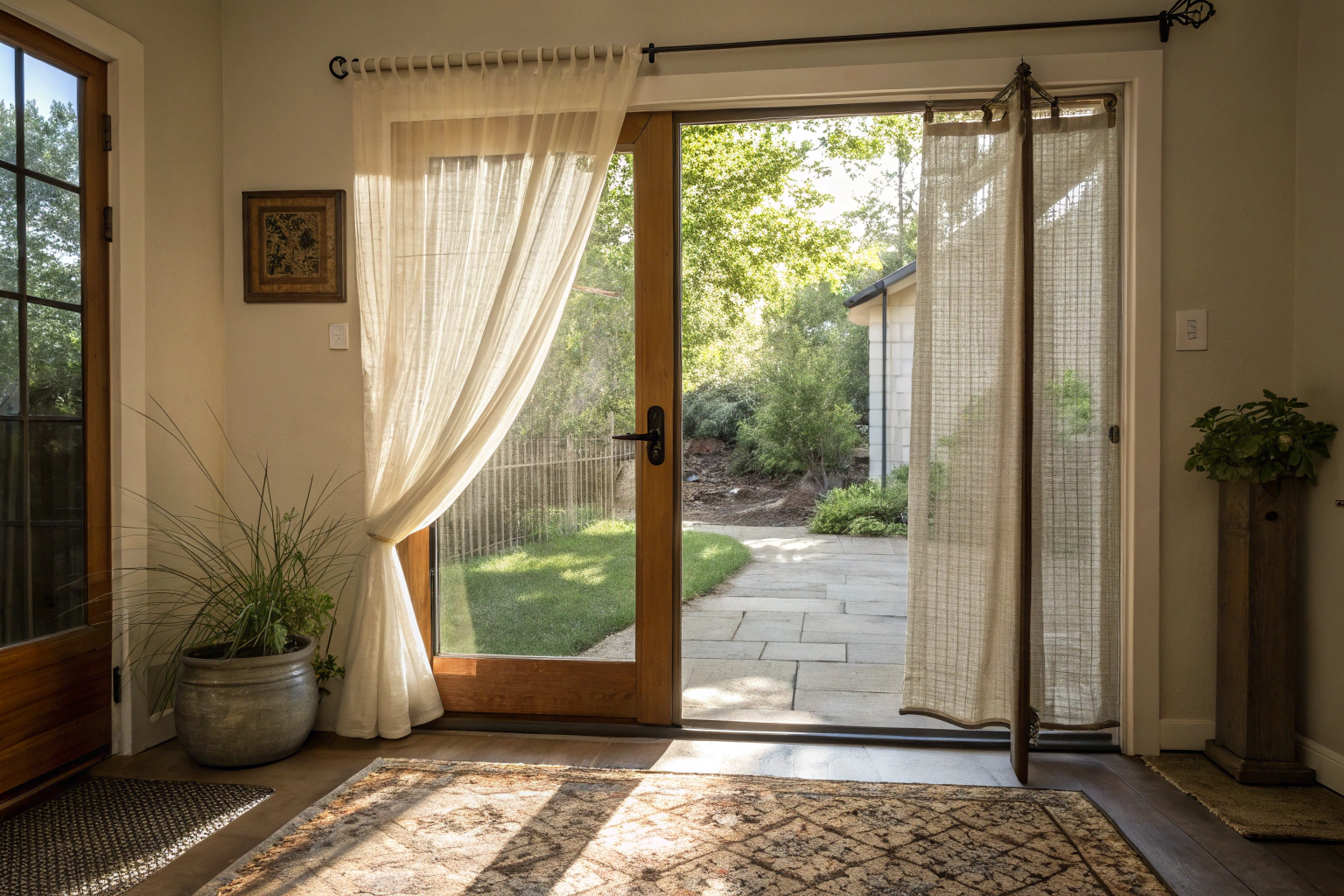
Designed for fresh air and insect protection
Screen doors are often installed in front of main doors or behind sliding glass doors. They use fine mesh screens made from fiberglass or aluminum to block bugs while letting breezes flow through.
Our factory manufactures sliding and hinged screen doors that pair perfectly with aluminum or wooden frames. The mesh is anti-rust, UV-resistant, and easy to clean. For coastal regions or summer homes, screen doors help reduce energy costs by relying on natural airflow instead of air conditioning.
Which is better for space and design flexibility?
Both are space-saving, but sliding doors offer a more architectural look.
Sliding doors integrate into modern designs, while screen doors are more functional add-ons.
Space efficiency meets style
Sliding doors create a sleek visual transition between indoor and outdoor areas. Their large glass panels make rooms appear brighter and more open. Screen doors, on the other hand, can be paired with sliding doors or swing doors to improve airflow without compromising security.
At our factory, we design integrated aluminum systems that combine sliding glass doors and retractable screen panels into one frame. This all-in-one design saves space and ensures a consistent aesthetic—perfect for homes that value both ventilation and design harmony.
Which provides better insulation and energy efficiency?
Sliding doors outperform screen doors when it comes to insulation.
Thermal break aluminum sliding doors block heat transfer and improve indoor comfort.
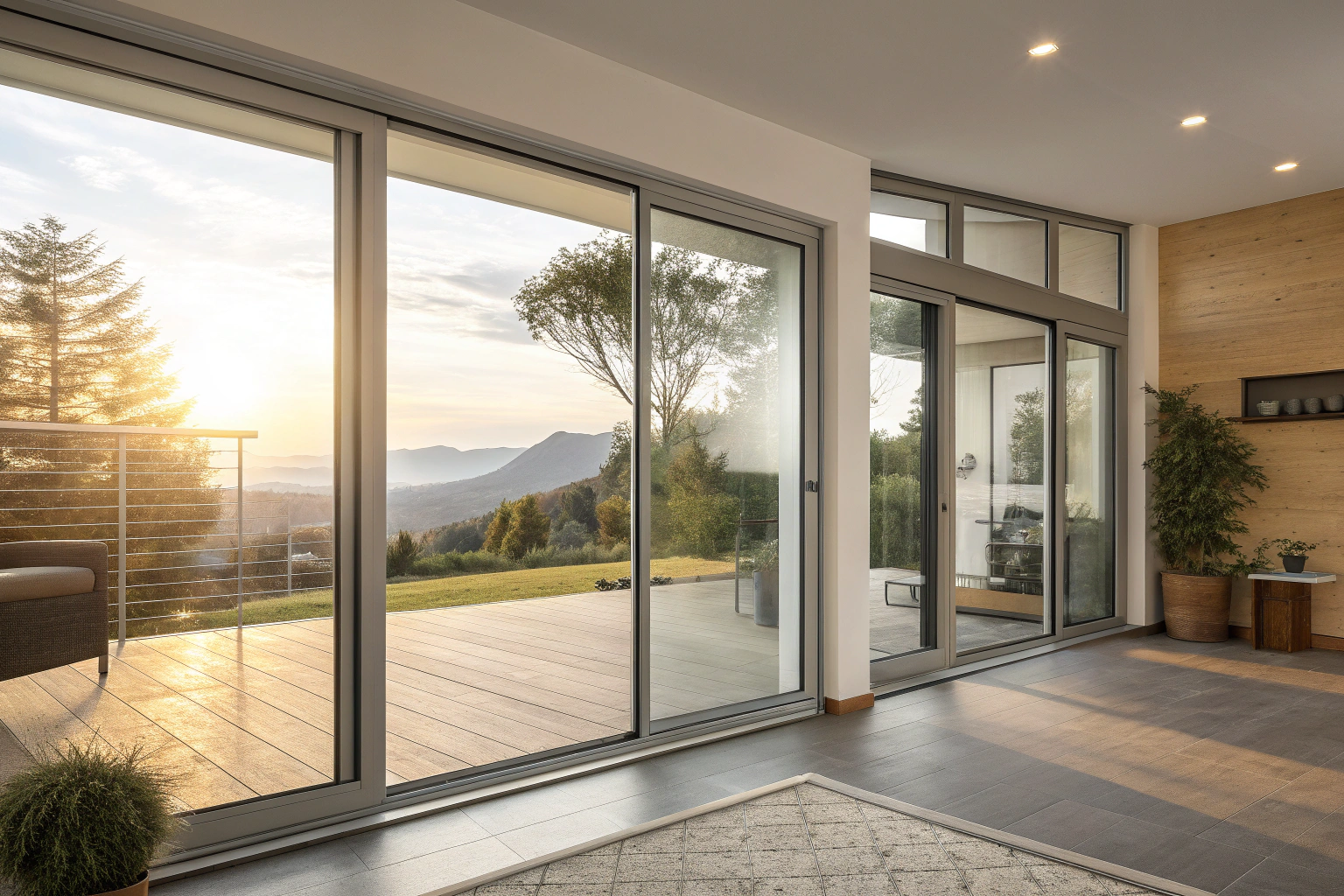
Sealing in comfort, sealing out weather
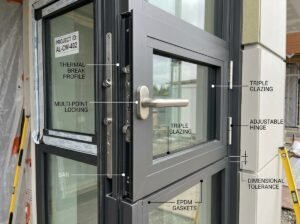
Sliding doors with thermal break technology use a PA66 nylon barrier inside the aluminum frame, reducing heat loss and condensation. When paired with double-glazed glass, they help maintain stable indoor temperatures and lower energy bills.
Screen doors are not designed for insulation—they’re mainly for ventilation. However, when combined with glass doors, they allow homeowners to switch between sealed insulation and open-air cooling. Our factory provides both systems, ensuring year-round comfort and flexibility for different seasons.
Which offers better ventilation and airflow?
Screen doors are the clear winner for ventilation.
They allow continuous air circulation without letting insects or debris inside.
Natural airflow with protection
For homes in tropical or coastal climates, screen doors are essential for keeping interiors cool while keeping pests out. Sliding doors can also be opened partially for ventilation, but they lack the fine mesh barrier that allows all-day airflow.
Our screen door systems use high-density, corrosion-resistant mesh that maintains visibility while maximizing airflow. For projects that require both insulation and ventilation, we often recommend pairing a sliding glass door with an integrated retractable screen—offering the best of both worlds.
Which door type fits your home better?
The right choice depends on your living environment and lifestyle.
Choose sliding doors for insulation and design, and screen doors for airflow and comfort.
Matching your priorities
- Choose sliding doors if you want panoramic views, energy efficiency, and a modern aesthetic.
- Choose screen doors if your priority is natural ventilation and insect protection.
- Combine both for flexibility—use sliding glass doors for insulation and pair them with retractable screen panels for seasonal comfort.
Our factory specializes in manufacturing both systems with OEM/ODM customization. Whether you need high-performance thermal break sliding doors or tailor-made screen door solutions, we design and produce everything under one roof—ensuring quality, precision, and seamless integration.
Conclusion
Sliding doors and screen doors each bring unique advantages to modern homes. Sliding doors deliver strength, insulation, and elegance, while screen doors provide fresh air and protection. For ultimate comfort and flexibility, combining both systems is the perfect solution.
With our factory’s in-house R&D, design, and production capabilities, we can customize any door type to fit your home’s architectural style and functional needs.
👉 Contact us today to request samples, technical drawings, or start your customized door project with our professional manufacturing team.