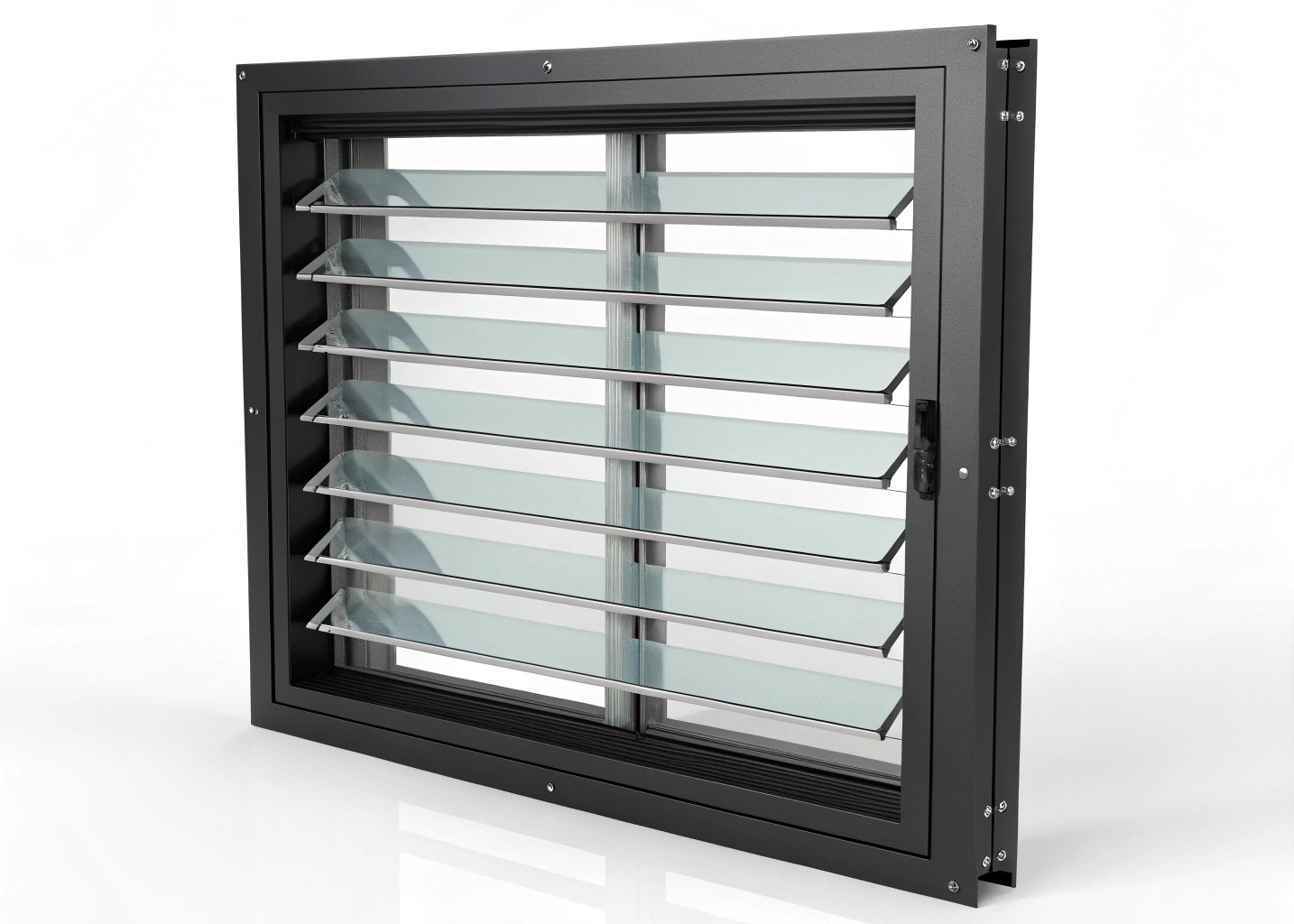
Choosing the right color for aluminium window frames is not just an aesthetic decision. Many projects face issues like mismatched façades, outdated looks, or colors that fade too fast. A wrong choice often leads to complaints, rework, or loss of long-term value.
The best color for aluminium window frames depends on climate, building style, and long-term performance. Neutral tones like black, grey, and white remain the most stable choices, while custom colors can enhance branding and architectural impact when supported by proper surface treatment.

Color selection should always start from real project needs, not trends alone. From residential housing to large commercial buildings, different markets and environments require different solutions. Understanding how color, coating technology, and manufacturing quality work together is the key to making the right decision.
Why Does Color Matter So Much for Aluminium Window Frames?
Many projects underestimate the impact of frame color until installation is complete. Once windows are fixed, changing color becomes expensive and time-consuming. Poor color choices can clash with wall finishes, roofing materials, or interior design, reducing the perceived value of the entire building.
Color affects aesthetics, heat absorption, durability, and market acceptance. The right color enhances the building’s style and improves long-term performance.

From a technical perspective, darker colors absorb more heat, which influences thermal expansion and surface temperature. Lighter colors reflect sunlight and remain more stable in extreme climates. Beyond physics, color also communicates positioning. High-end residential projects often prefer matte black or dark grey to create a modern look, while large housing developments favor white or light grey for consistency and cost control.
From a manufacturing standpoint, color consistency is critical. Advanced coating lines, controlled curing temperatures, and strict quality checks ensure every frame matches approved samples. In modern factories, color is no longer just sprayed; it is engineered. Powder formulation, film thickness, and surface pretreatment all determine how the color performs after years of exposure. When production, design, and quality teams work together, color becomes a long-term asset rather than a risk.
Are Black Aluminium Window Frames Always a Good Choice?
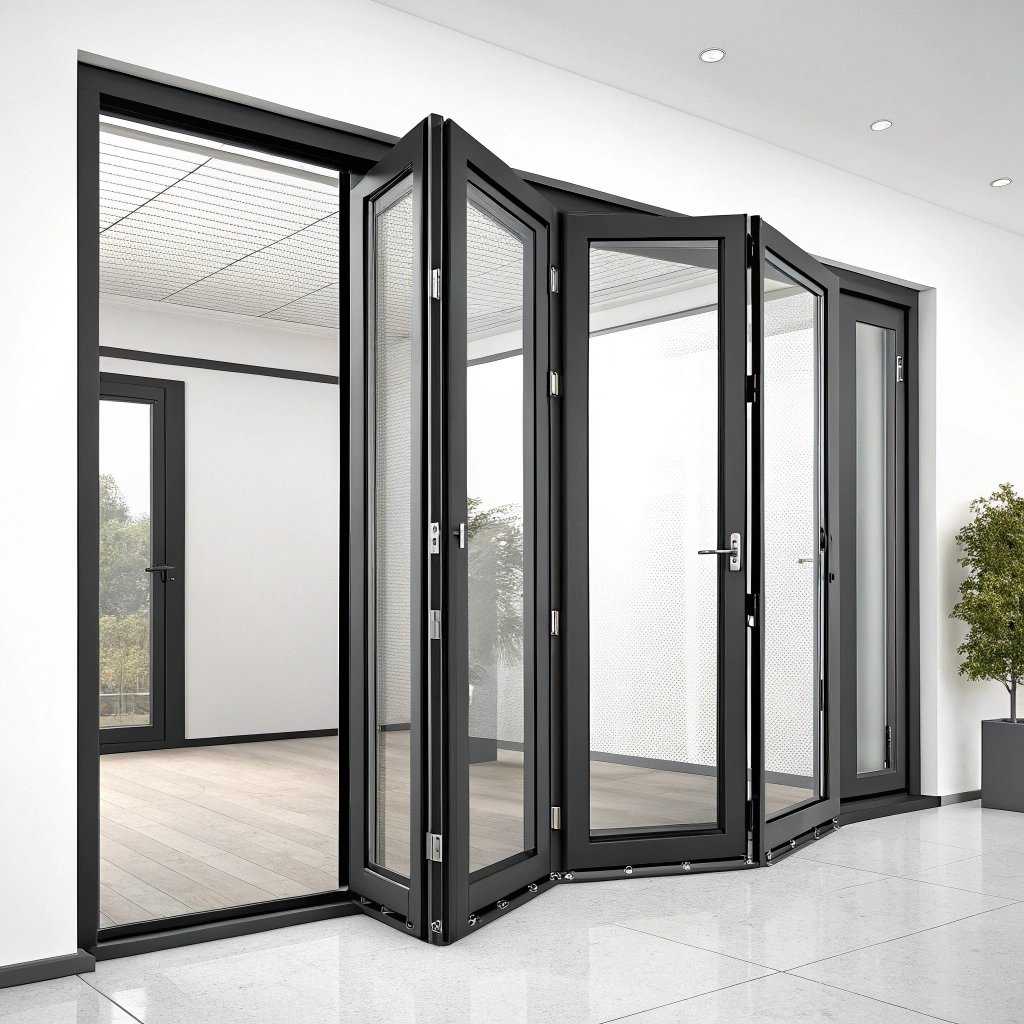
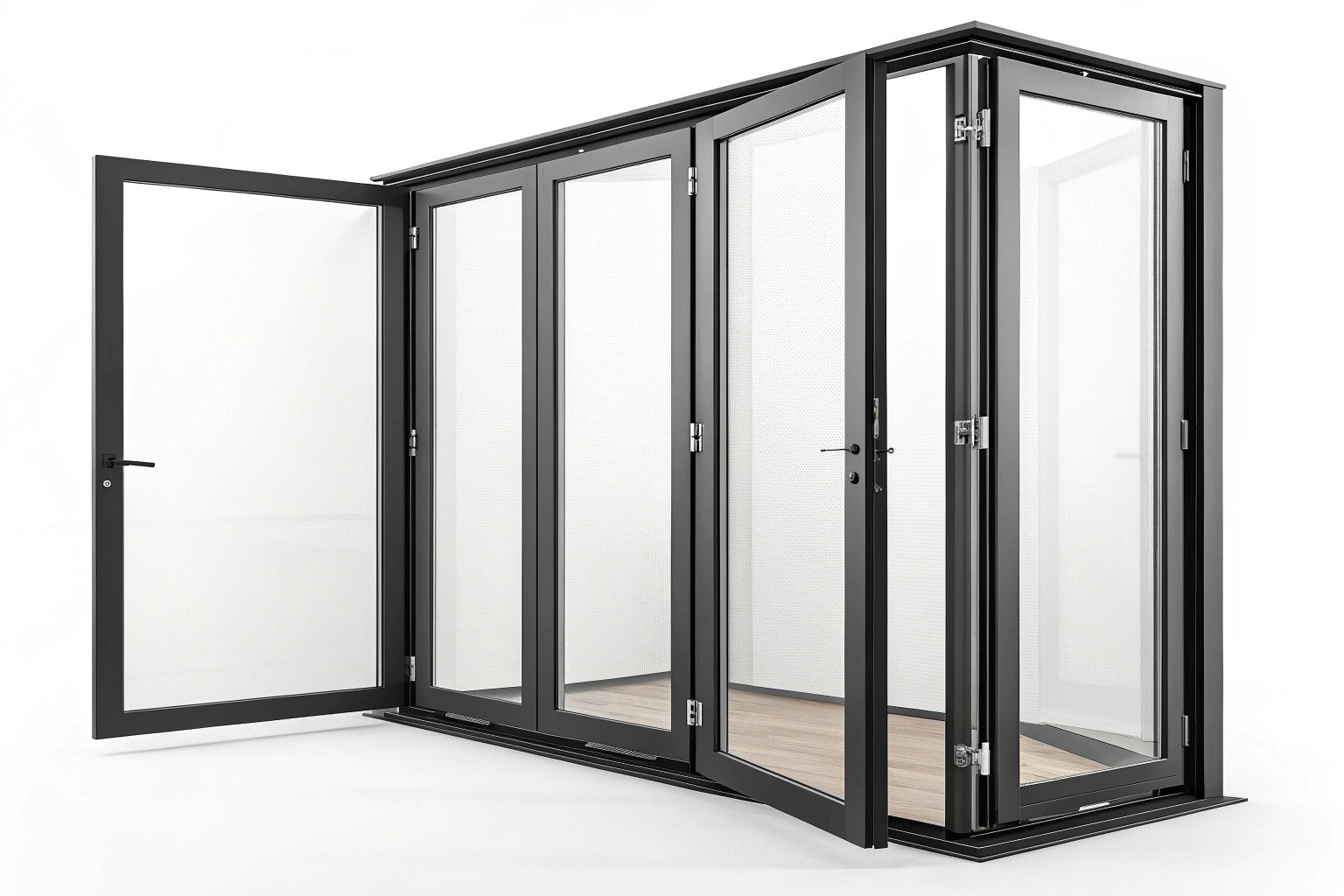
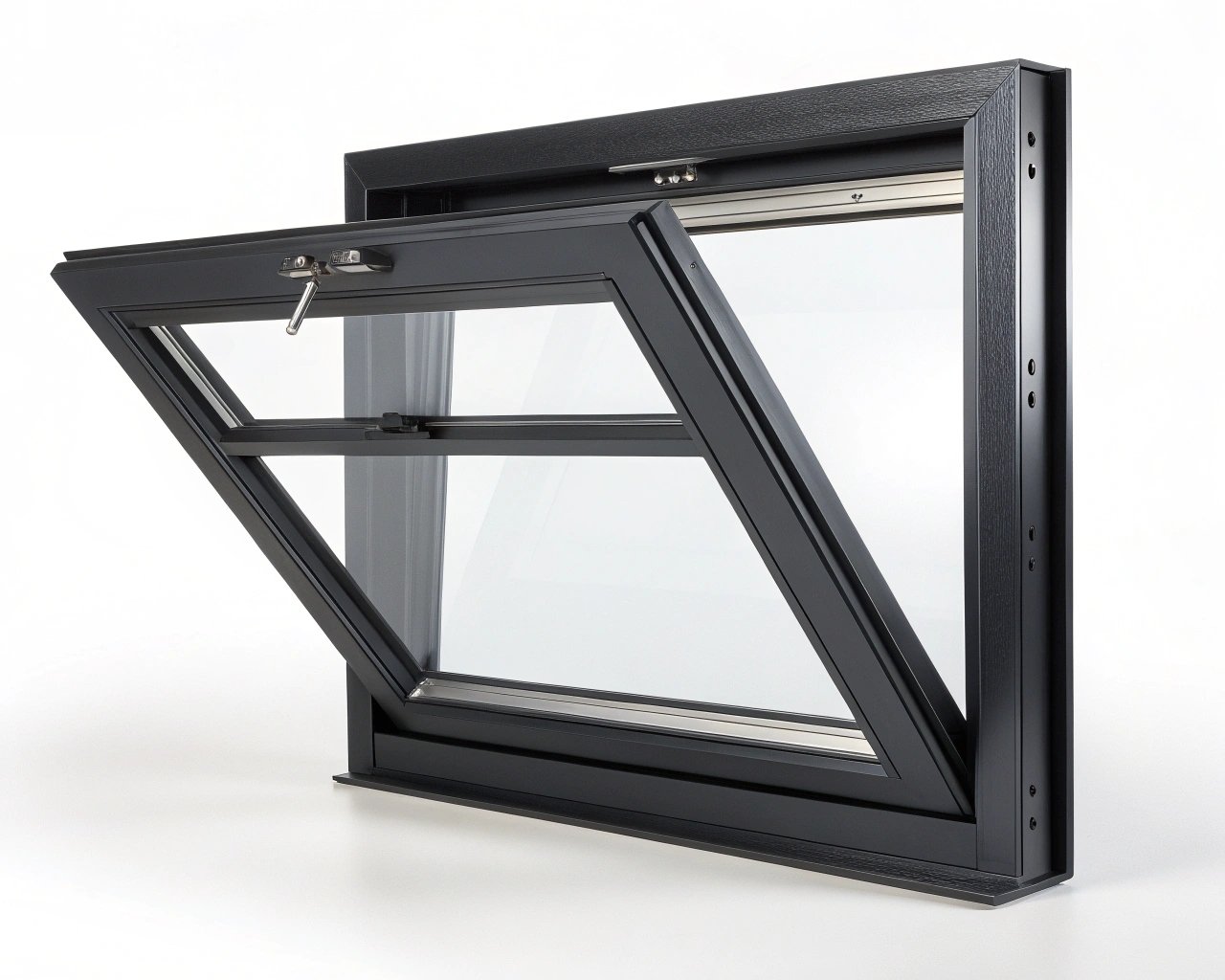
Black aluminium window frames have become a global favorite in recent years. Many architects use black to create contrast, depth, and a premium appearance. However, black is not suitable for every project or environment.
Black frames work best for modern designs and commercial buildings, but require high-quality powder coating to avoid fading and overheating.

In hot climates, black frames absorb more solar heat, which can raise surface temperature significantly. This puts higher demands on thermal break design, gasket quality, and coating durability. Low-grade coatings may chalk or fade within a few years, turning deep black into uneven grey.
Manufacturing quality plays a decisive role here. Professional production lines apply multiple pretreatment steps, including degreasing, chromate-free conversion, and precise powder curing. High-end powders with UV resistance are selected specifically for dark colors. Strict inspection ensures uniform thickness on corners and profiles, where color failure often starts.
Black remains an excellent choice when supported by proper engineering, tested coatings, and controlled production. Without these, it becomes a liability rather than a highlight.
Why Are Grey and Anthracite So Popular Worldwide?
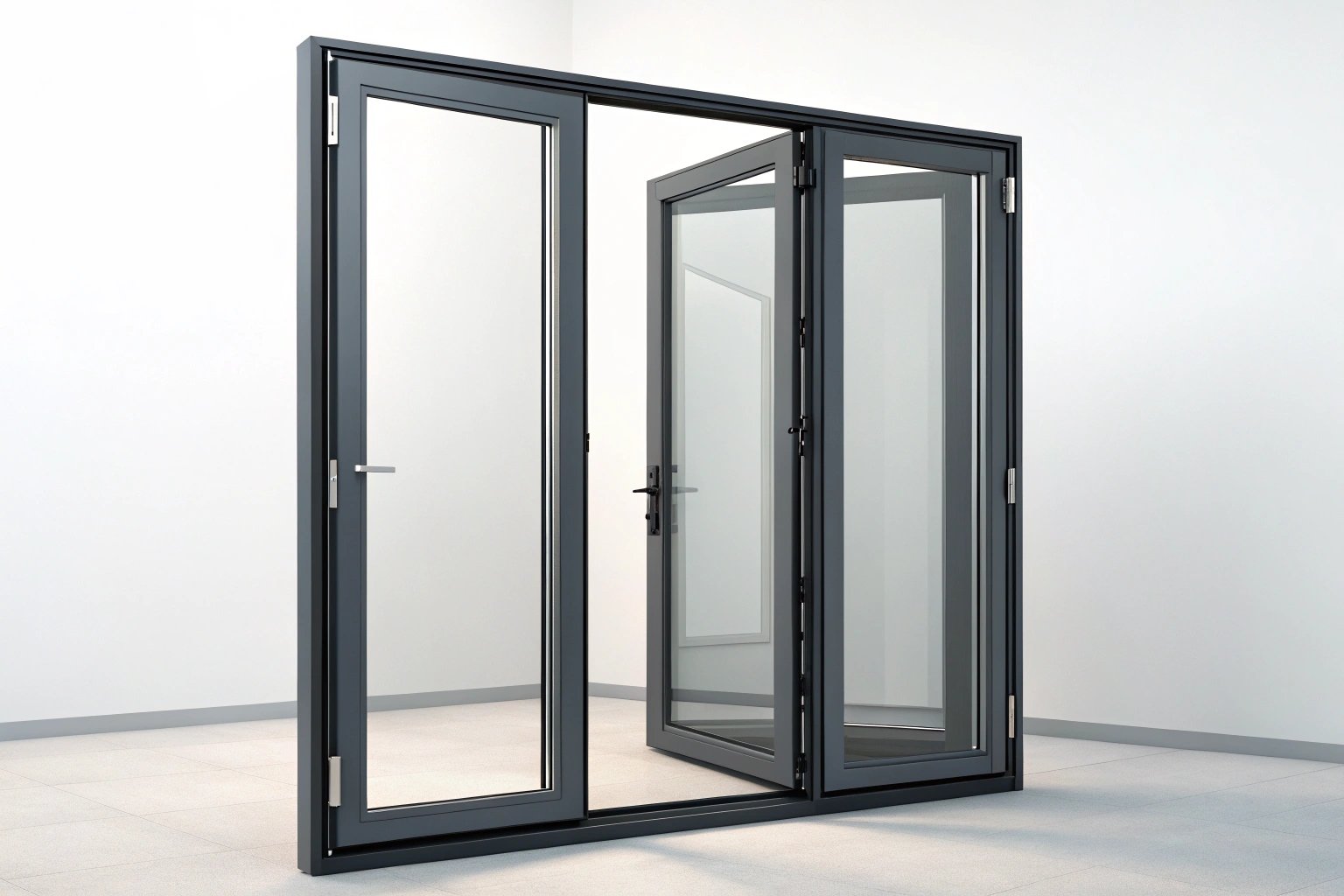
Grey shades, especially anthracite grey, offer a balance between modern design and practical performance. These colors adapt easily to different architectural styles and climates.
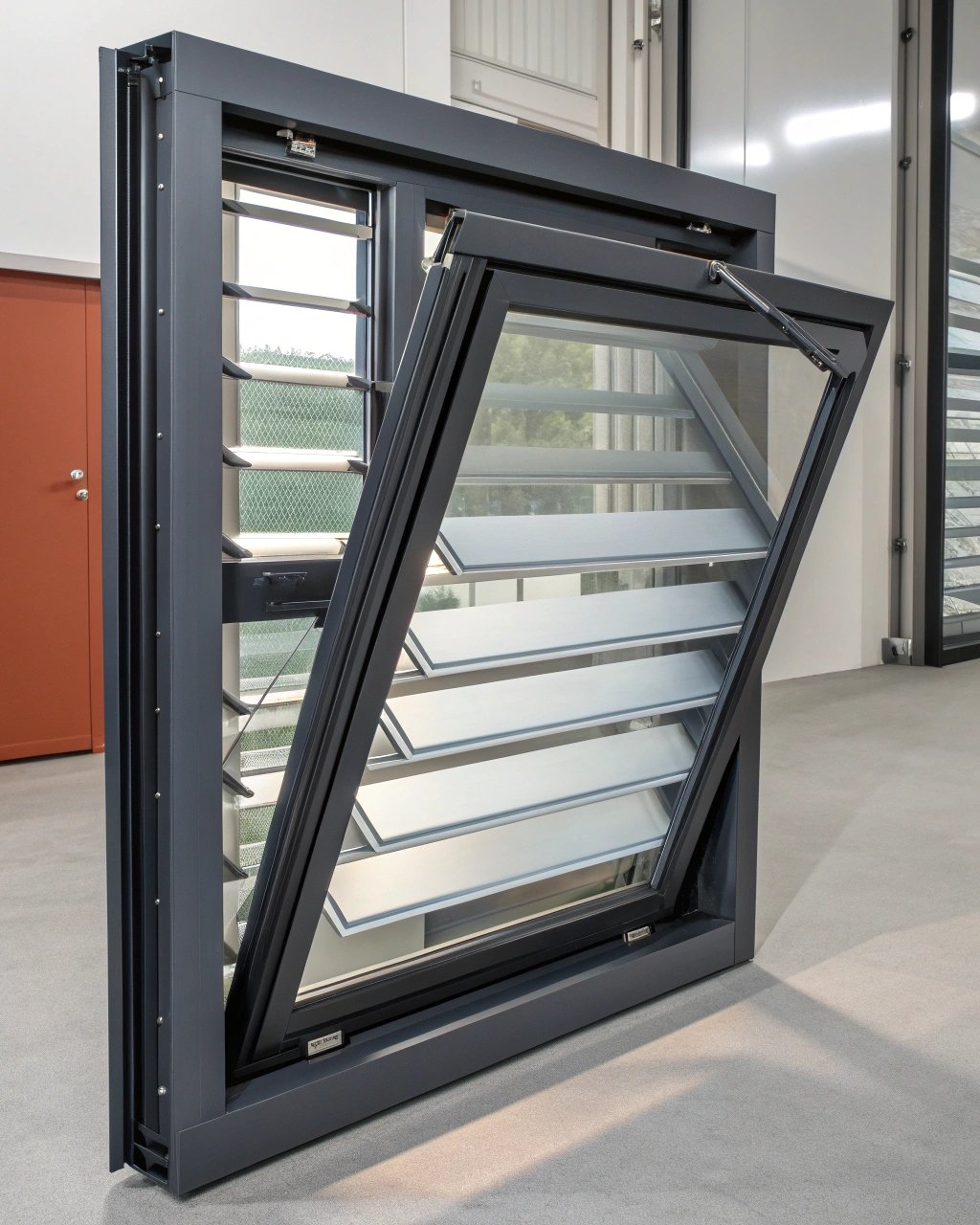
Grey aluminium window frames provide versatility, low maintenance, and stable color performance across markets.
Grey tones do not show dust or minor scratches as easily as black or white. They also absorb less heat than pure black, reducing thermal stress on profiles and seals. For residential, commercial, and mixed-use projects, grey creates a neutral but upscale appearance that works with stone, concrete, brick, and glass façades.
From a production perspective, grey is one of the most stable colors to control. Automated coating systems, closed-loop powder recovery, and digital color matching help maintain batch-to-batch consistency. In factories with in-house testing labs, samples are exposed to accelerated aging tests to ensure long-term color stability.
This balance of aesthetics, performance, and manufacturability explains why grey remains a safe and popular choice across different regions.
Is White Still a Practical Option for Aluminium Windows?
White aluminium window frames are often associated with classic residential buildings and large-scale housing projects. Despite being considered traditional, white remains highly relevant.
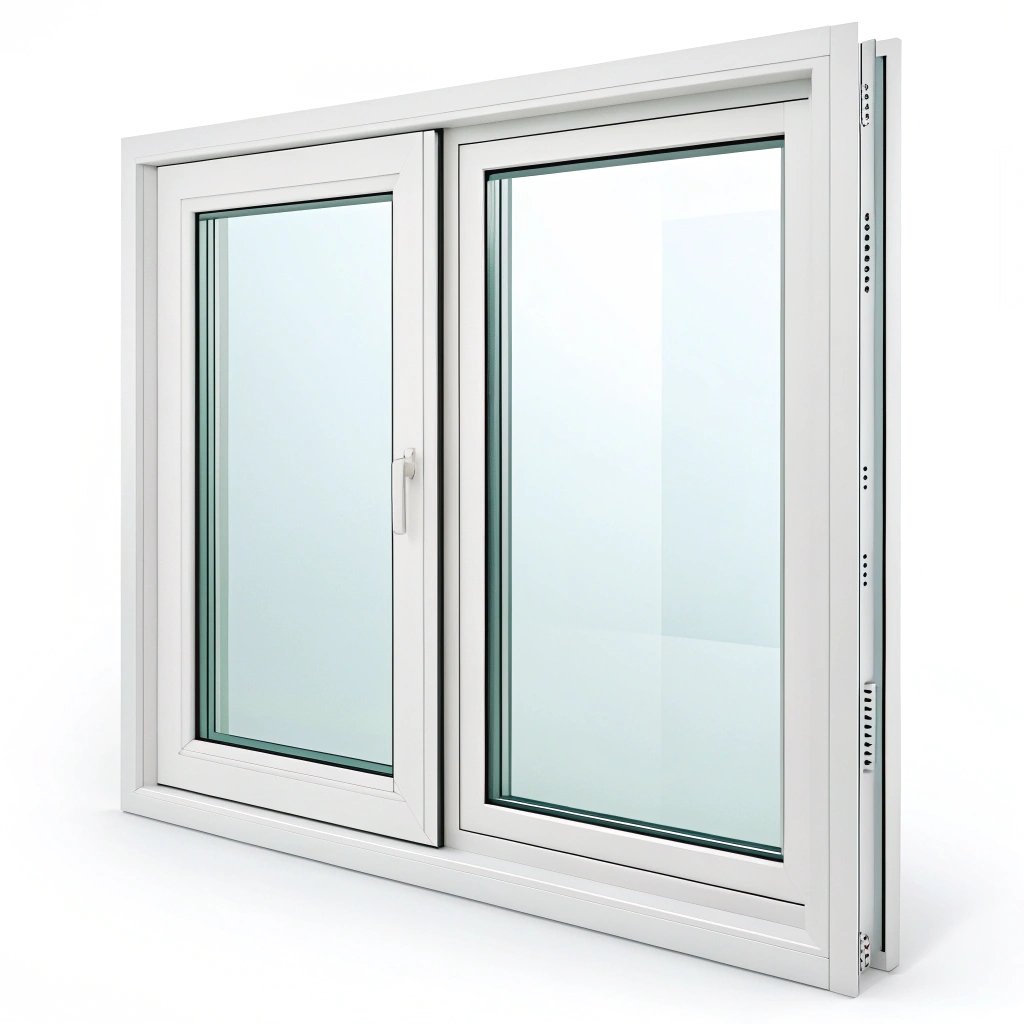
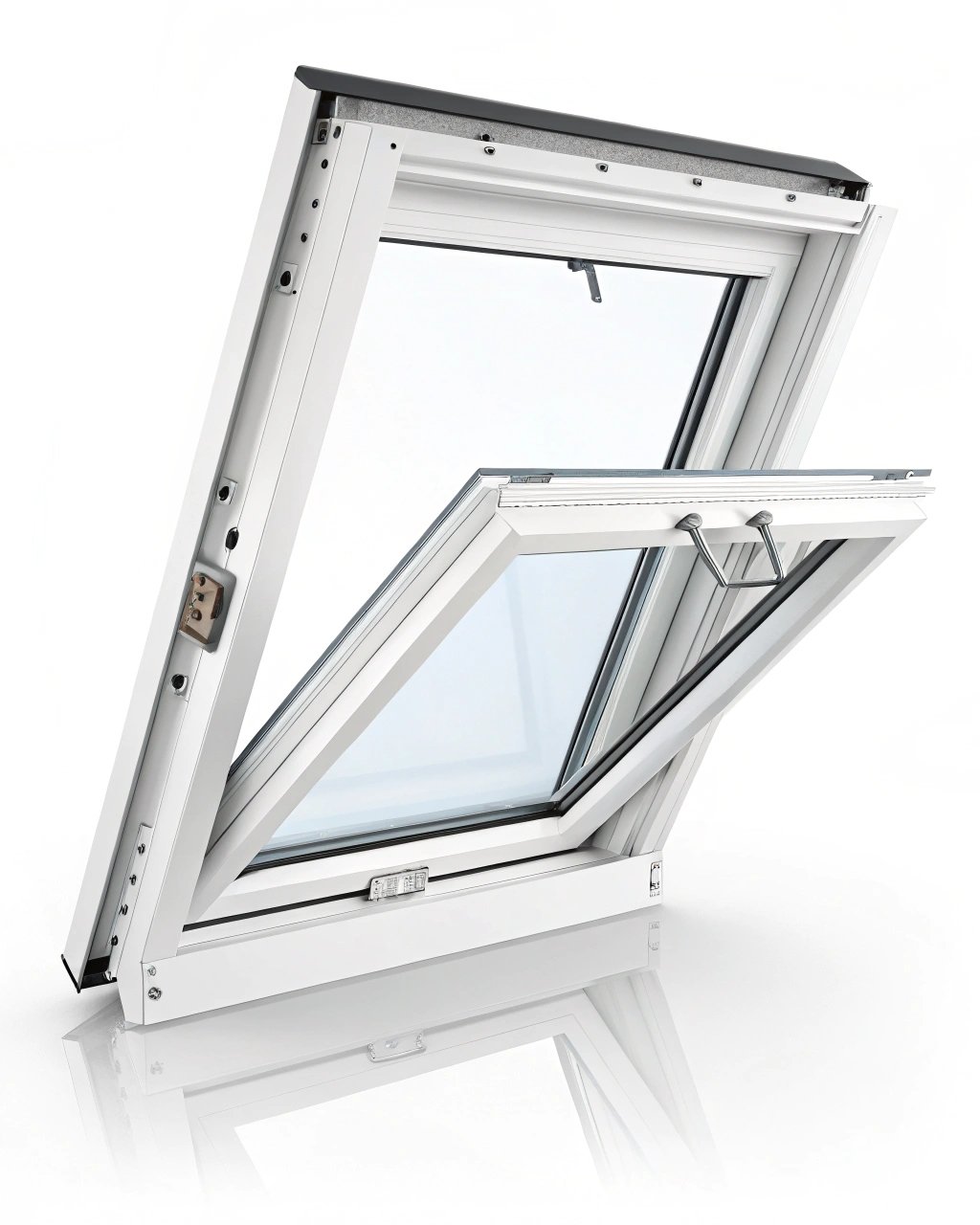
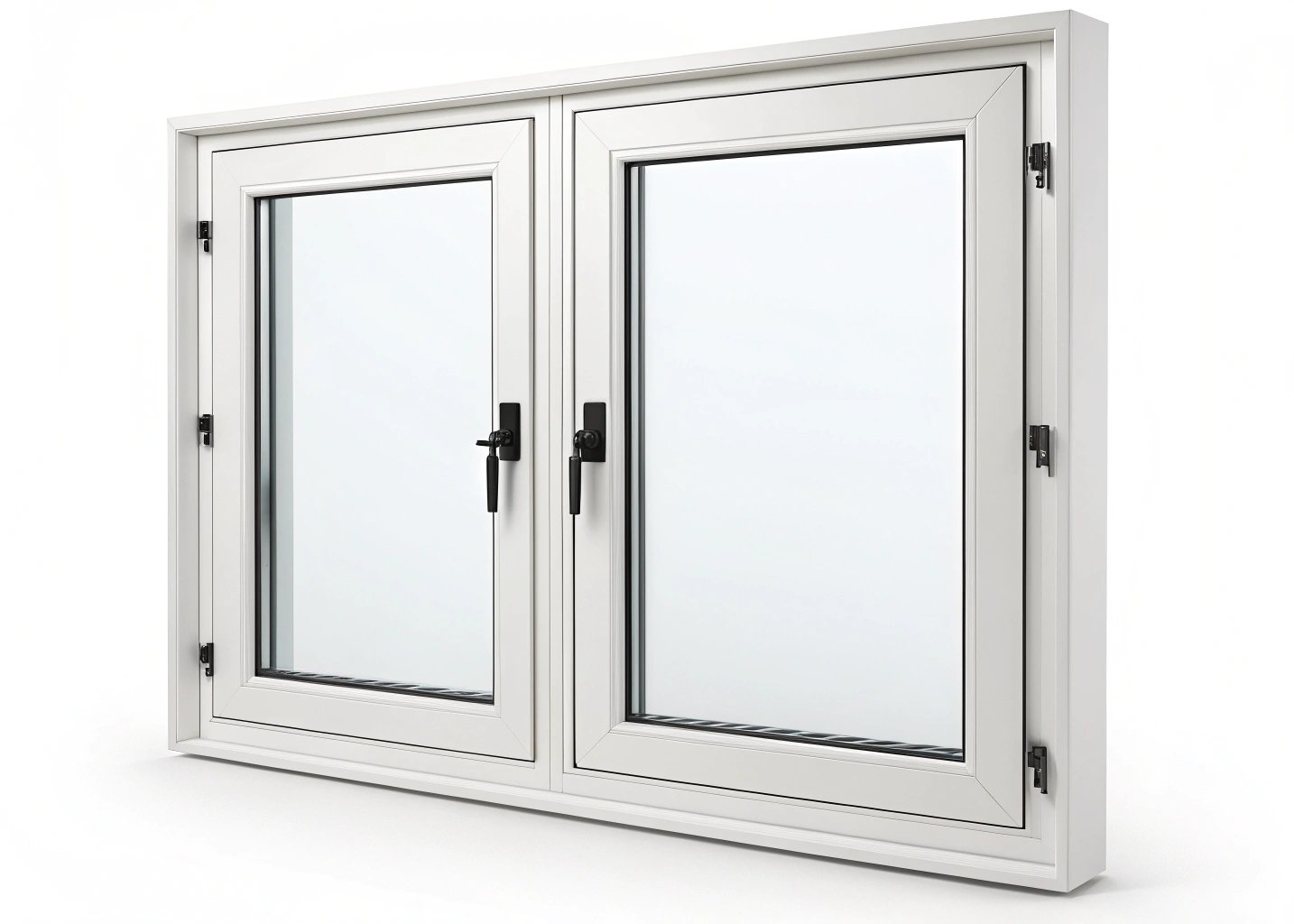
White frames offer high light reflection, energy efficiency advantages, and broad market acceptance.

White reflects sunlight better than darker colors, helping reduce surface temperature and improving comfort in warm climates. It also aligns well with energy-efficient building designs. In many regions, white frames are easier to approve for standardized housing or public projects.
The challenge with white lies in surface cleanliness and coating quality. Low-quality coatings may yellow over time. Advanced manufacturing processes address this by using high-purity powders, controlled curing environments, and strict aging tests. Smooth surface finishing and uniform film thickness reduce the risk of discoloration.
When produced under strict quality systems, white aluminium frames remain clean, stable, and visually appealing for decades.
Should Custom Colors Be Considered for Aluminium Window Frames?
Custom colors allow projects to stand out and align with branding or architectural themes. From wood grain finishes to metallic tones, customization opens creative possibilities.
Custom colors are suitable when supported by strong design validation, coating technology, and production control.
Custom finishes require more than visual approval. Each color must be tested for adhesion, UV resistance, salt spray performance, and consistency across profiles. Factories with in-house R&D can adjust powder formulations, surface textures, and curing curves to match project requirements.
Production workshops equipped with vertical coating lines, automated conveyors, and clean curing ovens reduce contamination and color deviation. Sample approval processes and retained reference panels ensure mass production matches the initial design intent.
Custom colors succeed when manufacturing capability matches design ambition. Without this foundation, customization increases risk rather than value.
How Do Factory Workshops and Processes Affect Color Quality?
Color performance is directly linked to manufacturing conditions. Workshop layout, equipment level, and process discipline determine the final result.
Stable color quality comes from integrated production, advanced coating lines, and strict quality control systems.

Modern factories operate integrated systems covering extrusion, surface treatment, coating, and assembly. Aluminium profiles undergo precise pretreatment before coating to ensure adhesion. Automated spray guns apply powder evenly, while curing ovens maintain stable temperatures to lock in color.
Quality teams inspect gloss, thickness, adhesion, and color deviation at multiple stages. Finished frames are protected with specialized packaging to prevent scratches and contamination during transport. Workshops also maintain sample archives and testing reports to support long-term projects.
This manufacturing depth ensures that color decisions made during design are faithfully delivered on-site, even across large volumes and long timelines.
Conclusion
Selecting the best color for aluminium window frames is a decision that influences far more than appearance. It affects thermal behavior, surface durability, maintenance cost, and how a building is perceived years after completion. Black frames deliver strong visual impact and modern character when supported by advanced coating systems. Grey and anthracite provide balance, adaptability, and long-term stability across different architectural styles. White remains a reliable and efficient choice for projects that value brightness, energy performance, and wide market acceptance. Custom colors add differentiation and branding value, but only succeed when backed by solid technical validation and controlled production.
Behind every successful color choice is not only design intent, but also manufacturing strength. From surface pretreatment and powder selection to curing control and final inspection, workshop processes directly determine whether a color performs as expected over time. Mature factories with integrated design, R&D, and production systems are able to translate color concepts into consistent, durable finished products at scale. When color selection is approached as a combination of aesthetics, engineering, and manufacturing discipline, aluminium window frames become a long-term asset that enhances building quality, project reliability, and overall value.