Many window brands claim premium quality, yet long-term problems often reveal that branding alone does not guarantee durability, performance, or consistency.
The highest quality window brand is defined by manufacturing strength, system engineering, material control, and proven long-term performance—not by name recognition alone.
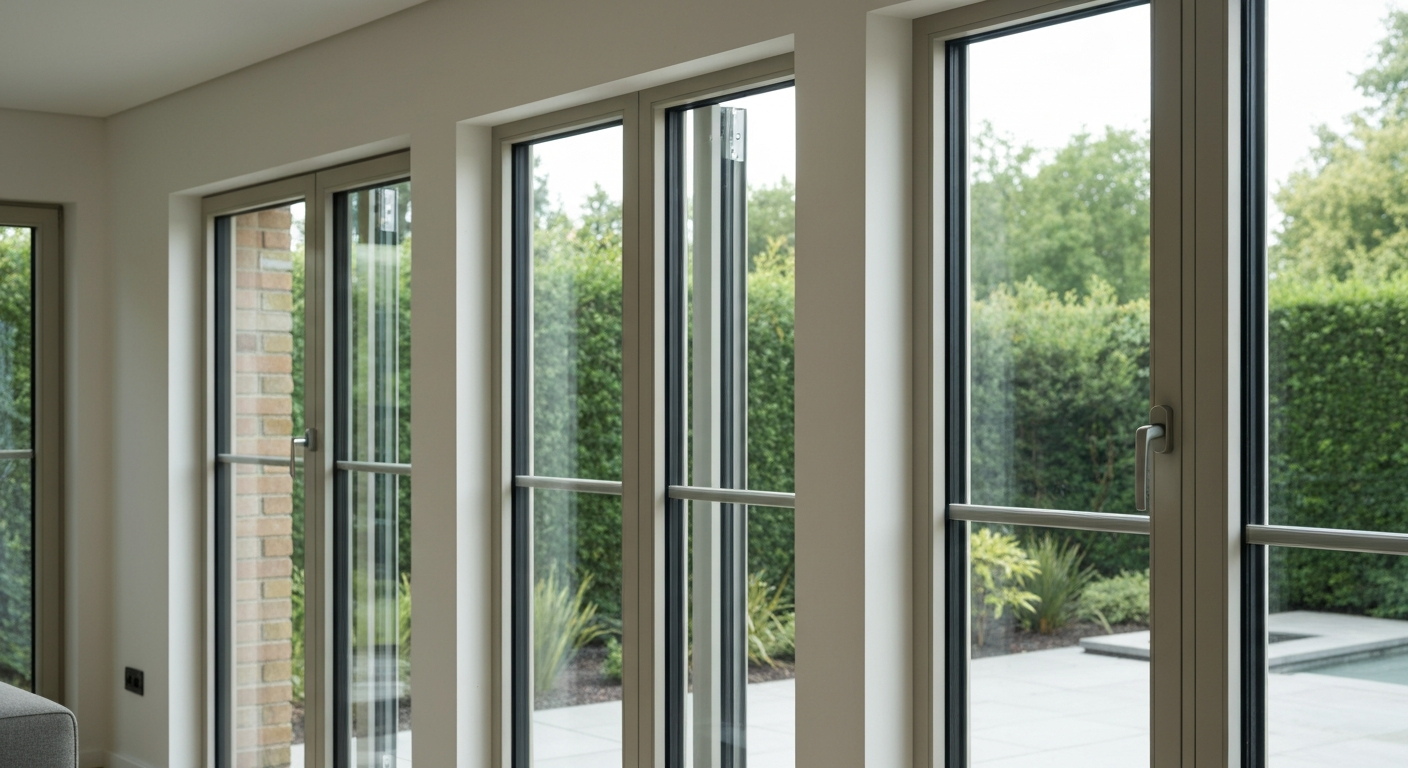
True quality becomes visible only when examining how windows are designed, produced, tested, and delivered at scale.
Why Manufacturing Capability Defines the Highest Quality Brands?
A high-quality window brand must be supported by a real manufacturing base.
Top-tier window brands operate their own factories with full control over extrusion, machining, glazing, coating, and assembly.
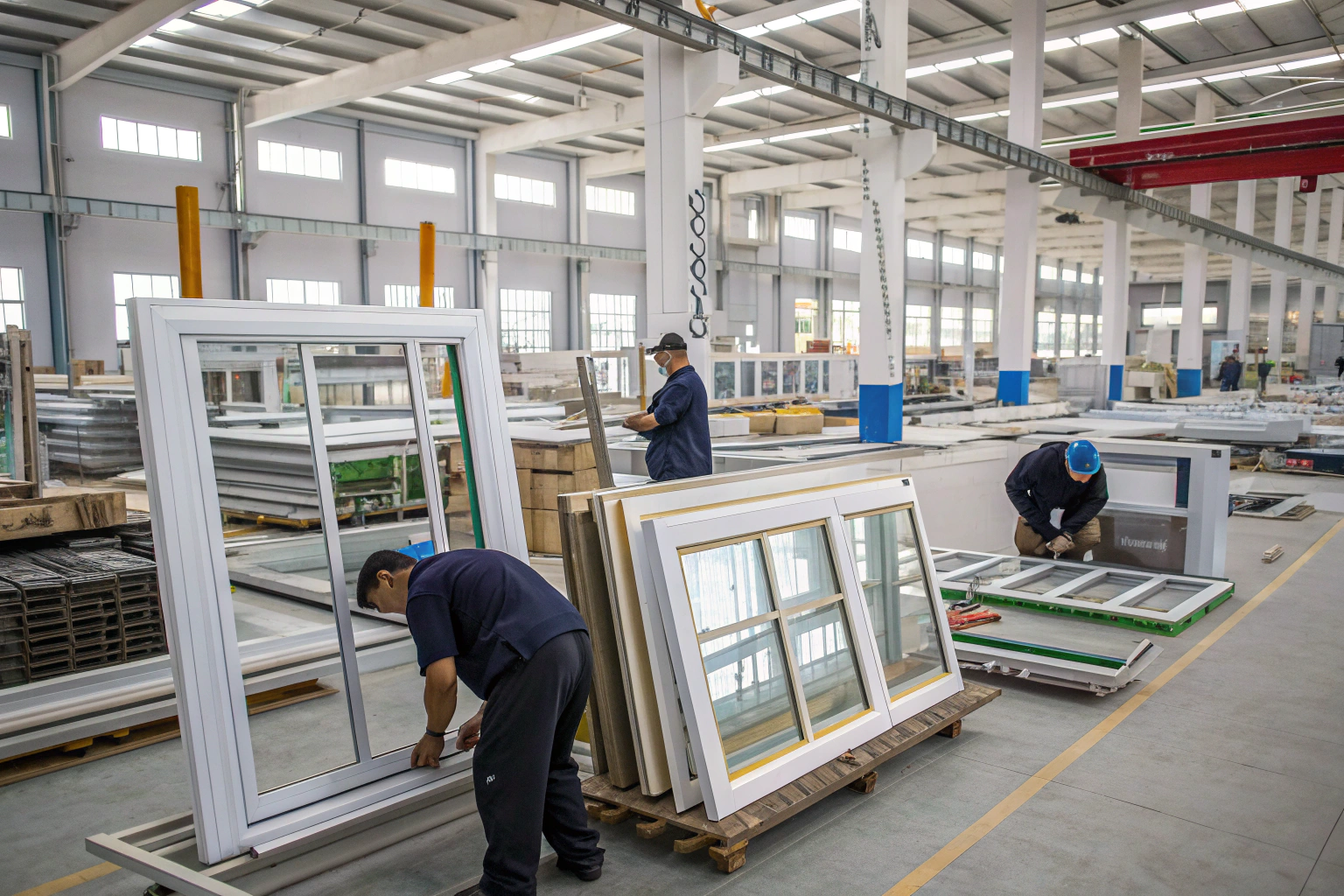
Brands with in-house production manage aluminium profile extrusion, CNC machining accuracy, surface finishing consistency, insulated glass assembly, and final system integration. This level of control ensures repeatable quality and long-term supply stability.
Factories with extrusion presses, aging ovens, coating lines, IGU workshops, and automated assembly lines demonstrate the capacity required to maintain high standards. Brands relying heavily on outsourcing often struggle with inconsistent tolerances and variable performance across batches. Manufacturing transparency is therefore a key indicator of the highest quality window brands.
How Does System Engineering Separate Premium Brands from Average Ones?
Windows perform as complete systems, not individual components.
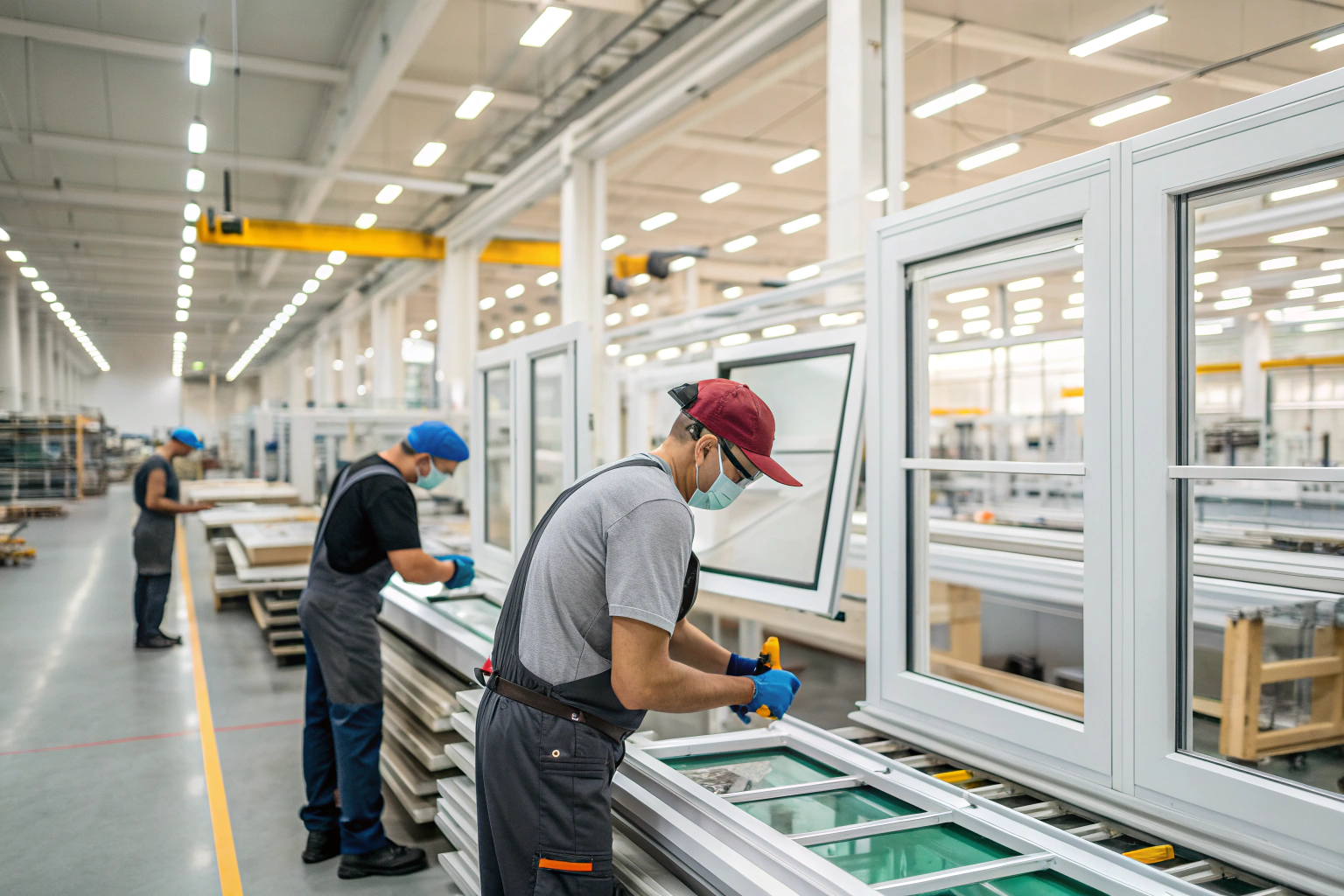
The highest quality brands develop proprietary window systems engineered for strength, sealing, insulation, and long-term operation.
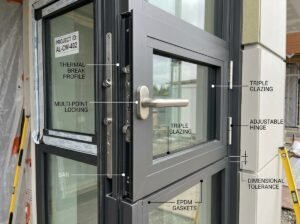
These brands invest in R&D teams that design multi-chamber profiles, reinforced hinge zones, optimized thermal-break structures, and precise drainage paths. Each system is tested under wind load, water pressure, air leakage, and operational cycling before mass production.
Technical documentation such as section drawings, performance reports, and system manuals reflects engineering depth. Brands without clear system architecture often rely on generic profiles, limiting performance and customization.
Why Do Materials and Surface Finishing Indicate Brand Quality?
Material control directly affects window lifespan.
High-quality brands use architectural-grade materials and durable surface finishes designed for decades of exposure.
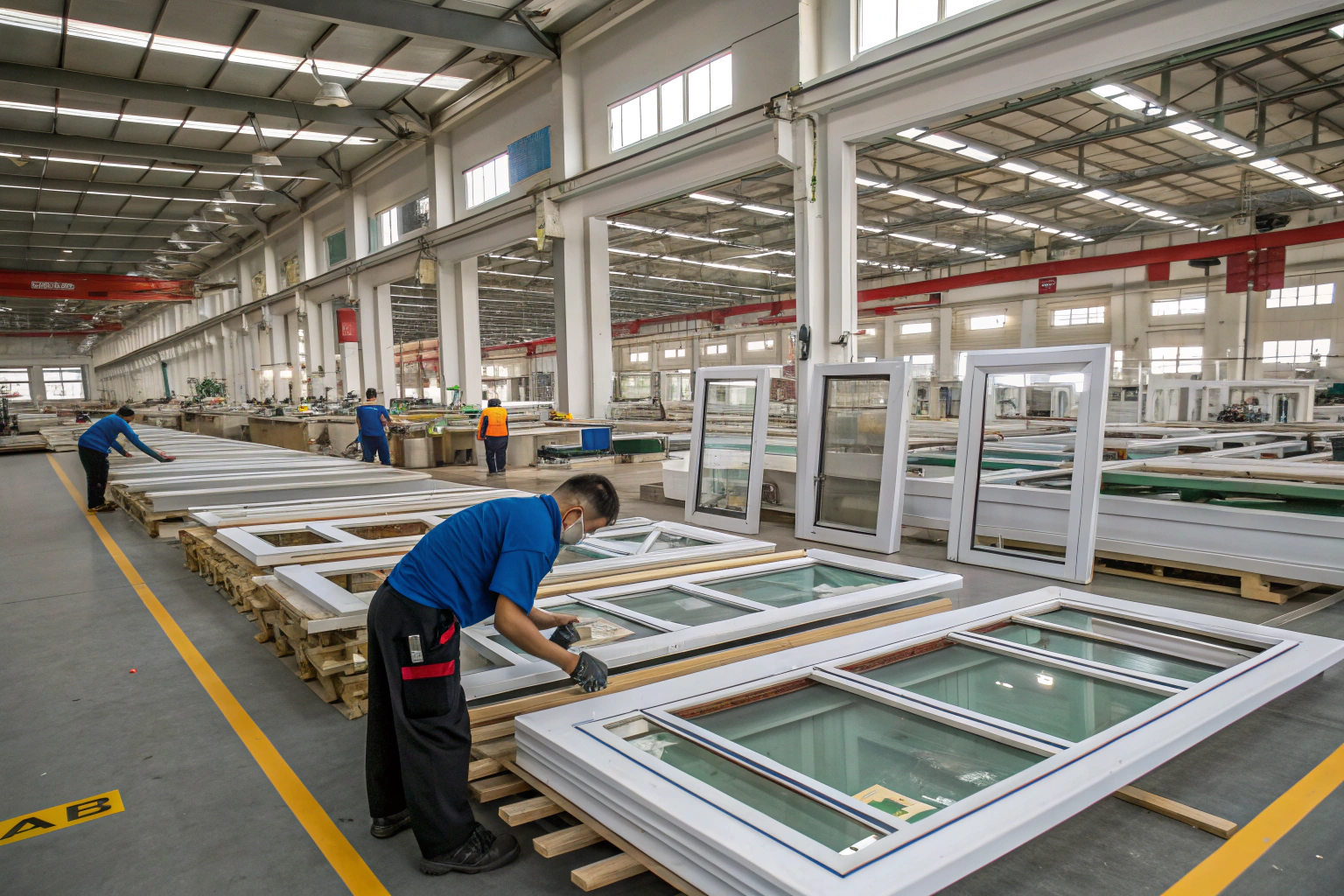
For aluminium windows, premium brands specify controlled alloy grades, stable wall thickness, and consistent hardness. Surface finishing—powder coating, anodizing, or PVDF—is applied using multi-stage pretreatment and curing processes.
Testing includes salt-spray resistance, UV aging, adhesion checks, and film-thickness measurement. Windows from high-quality brands maintain appearance and corrosion resistance far longer than economy-grade products. Manufacturing labs often display long-term test samples that visually demonstrate these differences.
How Does Hardware and Performance Testing Reflect Brand Level?
Hardware quality and testing discipline reveal real performance standards.
Top window brands integrate hardware as part of the system and validate it through long-term testing.
Multi-point locking systems, reinforced hinges, rollers, and friction stays are selected and tested according to sash weight and size. Cycle testing simulates decades of opening and closing, while corrosion tests verify durability in harsh environments.
Precise CNC machining ensures hardware alignment remains stable over time. Brands that test complete window assemblies—not just individual parts—deliver smoother operation, better sealing, and longer service life.
Why Does Project Experience Matter When Identifying the Best Brand?
Proven performance in real buildings is a strong indicator of quality.
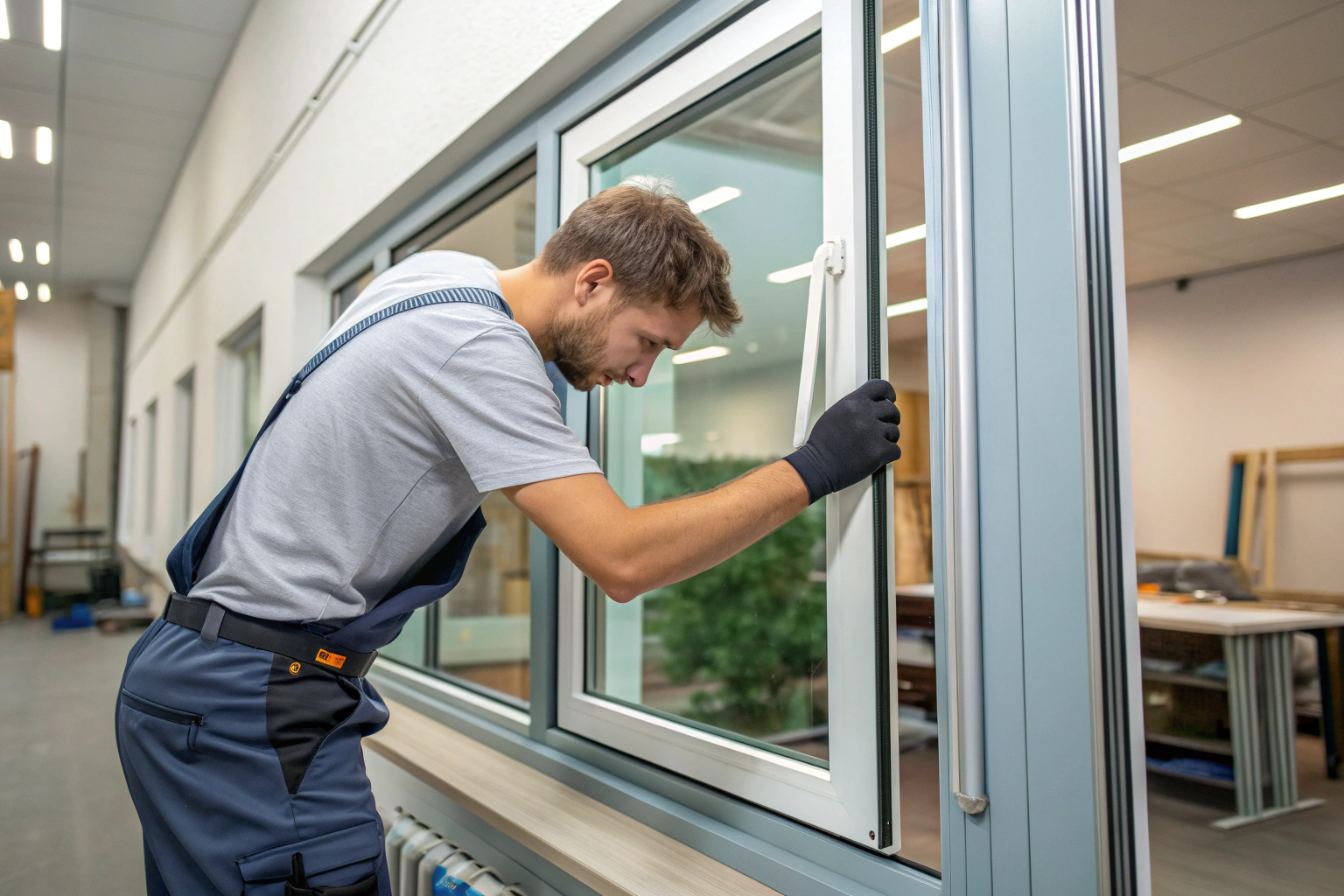
The highest quality window brands demonstrate long-term success across residential, commercial, and large-scale projects.
Brands with extensive project references understand climate differences, building regulations, and installation challenges. Their systems evolve based on real-world feedback rather than laboratory assumptions alone.
Manufacturing bases often showcase completed projects, mock-up installations, and performance reports. This transparency reflects confidence in product quality and system reliability.
Does Customization and OEM/ODM Capability Define a Top Brand?
High-quality projects rarely rely on standard products alone.
Leading window brands support OEM/ODM development, allowing systems to be customized for size, performance, and regional standards.
R&D teams adjust profile structures, thermal performance, glazing options, and hardware configurations to meet specific project needs. Prototyping, testing, and validation occur before final production, ensuring performance targets are met.
Brands without customization capability often struggle to support complex or large-scale projects. Manufacturing flexibility is therefore a hallmark of the highest quality window brands.
Conclusion
There is no single highest quality window brand based purely on name. The best brands are defined by real manufacturing capability, advanced system engineering, strict material control, comprehensive testing, and proven long-term project performance. Brands supported by extrusion lines, CNC machining centers, coating workshops, glazing facilities, assembly lines, and testing laboratories consistently deliver windows that last longer and perform better.
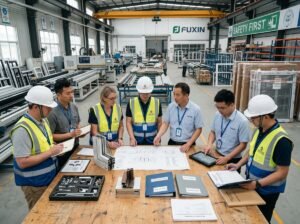
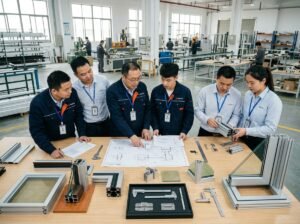
Manufacturing bases that welcome factory visits allow project teams to inspect production processes, review system designs, observe testing procedures, and develop customized OEM/ODM window solutions. This level of transparency and capability is the clearest indicator of a truly high-quality window brand.