Aluminum windows are widely used for their strength and clean appearance, but they also present limitations that affect performance, cost, and application suitability.
The main disadvantages of aluminum windows include higher thermal conductivity, increased upfront cost, and reliance on manufacturing quality for long-term performance.
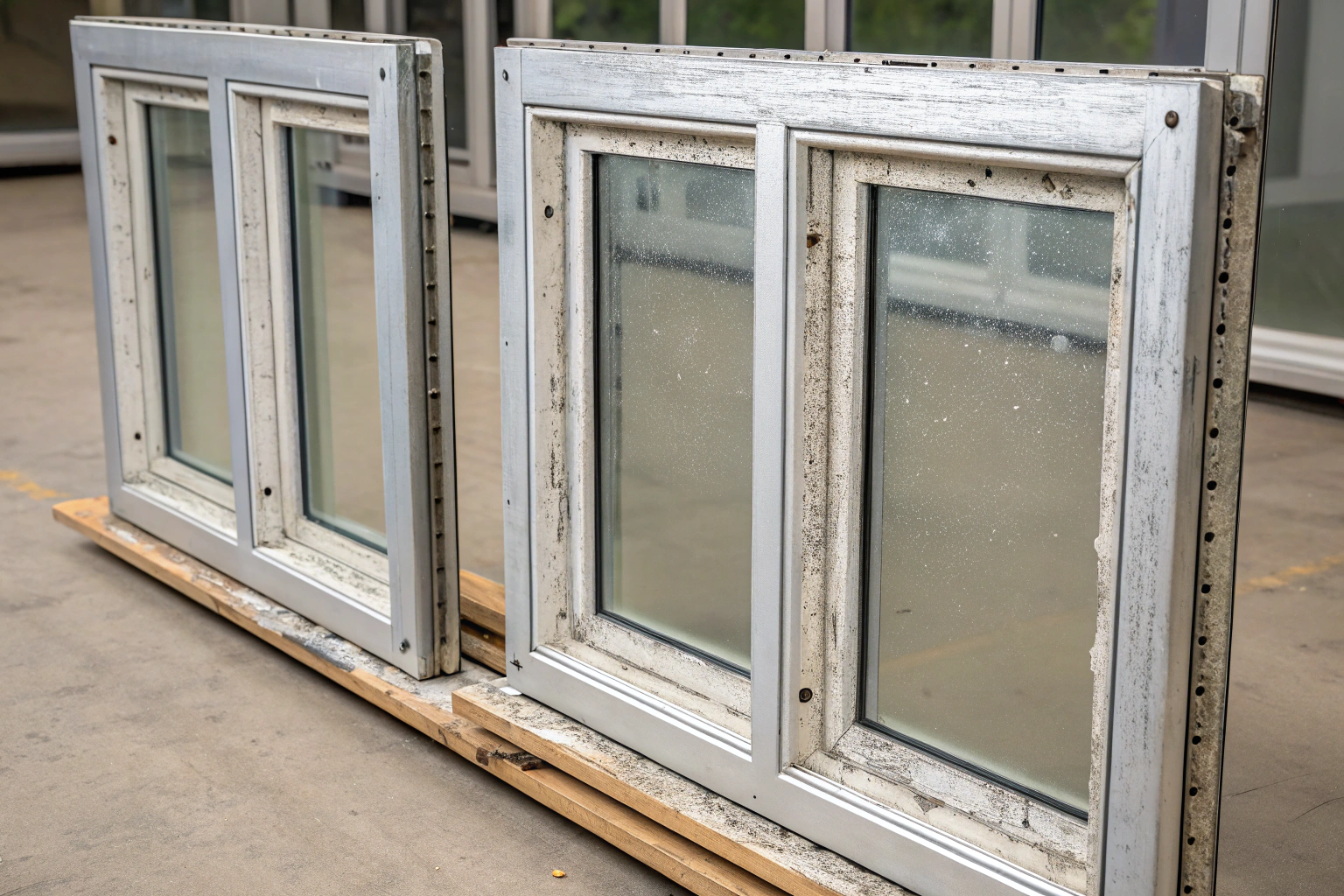
Understanding these drawbacks requires looking beyond surface-level comparisons. Material properties, system design, production processes, and environmental conditions all influence whether aluminum windows are the right choice for a given project.
Why Is Thermal Performance a Common Concern?
Heat transfer is the most discussed limitation of aluminum windows.
Aluminum conducts heat efficiently, which can reduce energy efficiency unless thermal break systems are applied.
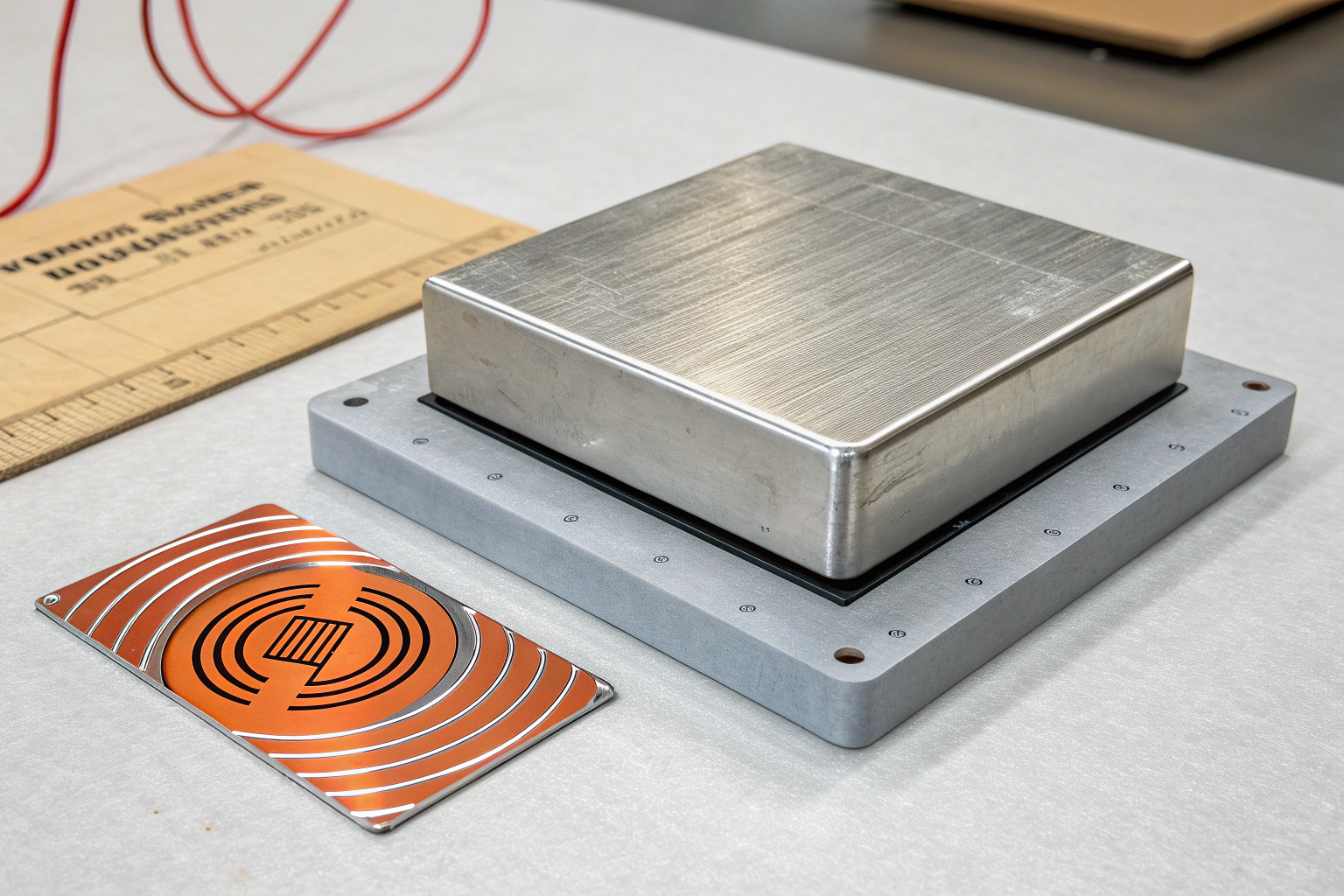
Aluminum has a high thermal conductivity compared with vinyl or wood. In early window designs, this led to significant heat loss in winter and heat gain in summer. Condensation along frames was also common in colder climates, affecting indoor comfort and seal durability.
Modern aluminum systems address this issue through thermal break technology. Insulating materials such as polyamide strips separate interior and exterior aluminum sections. While effective, this solution increases system complexity, production steps, and cost. Poorly designed or poorly assembled thermal breaks may compromise performance over time.
Projects with strict energy efficiency requirements often need advanced glazing, low-E coatings, and precision thermal break integration to meet standards. These additions further increase cost and reliance on manufacturing accuracy.
Are Aluminum Windows More Expensive?
Cost remains a practical disadvantage in many applications.
Aluminum windows generally cost more upfront than vinyl alternatives due to raw material pricing and complex fabrication processes.
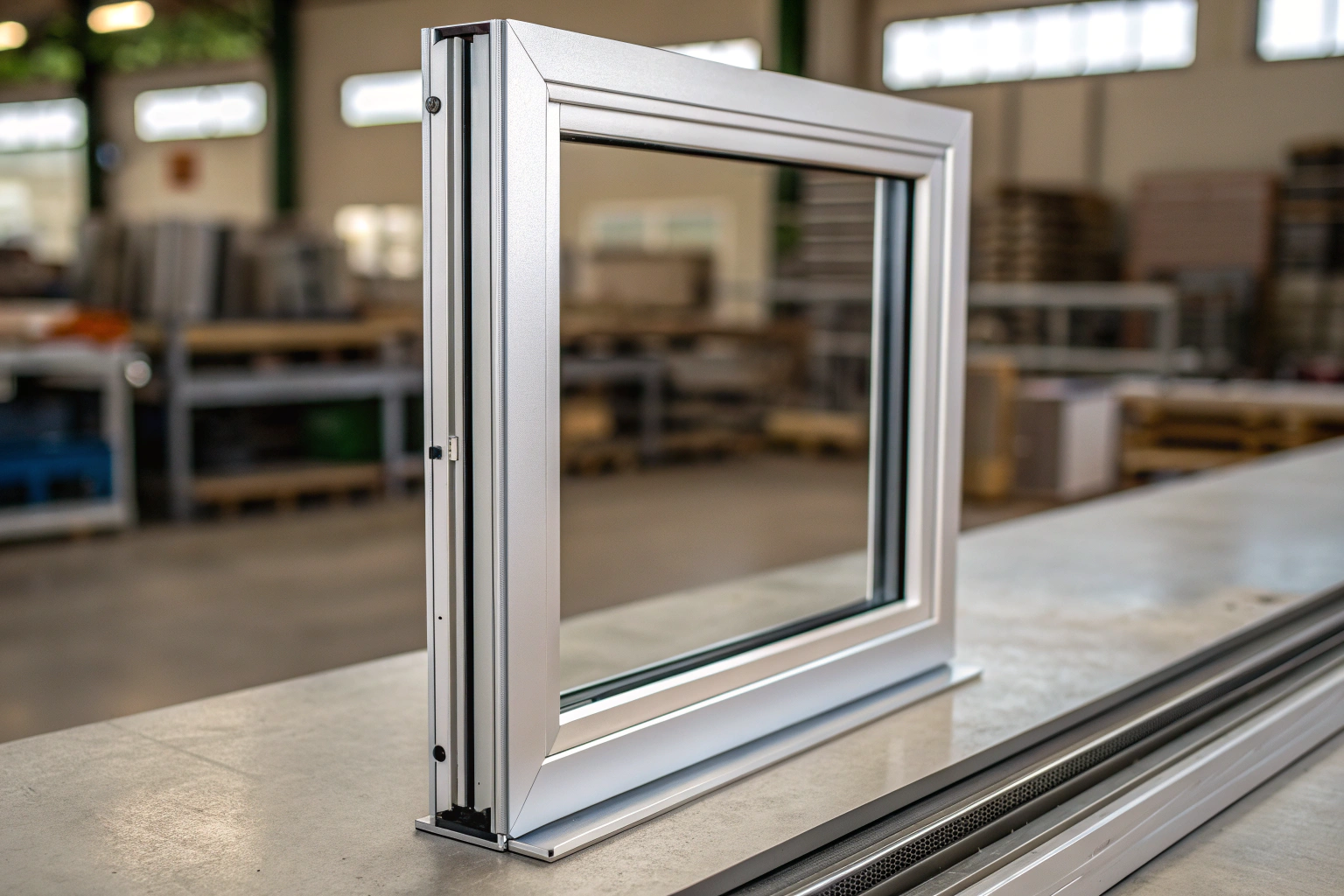
Aluminum production involves mining, refining, alloying, extrusion, machining, and surface finishing. Each step adds energy use, labor, and quality control requirements. Finishes such as anodizing or powder coating require additional equipment and inspection stages.
Compared with polymer-based frames, aluminum systems demand tighter tolerances and more skilled labor. Hardware integration, reinforcement for large panels, and drainage design also add to manufacturing time. These factors translate into higher unit prices, particularly for thermally broken or custom-sized systems.
While aluminum may offer long-term durability, the initial investment can exceed project budgets where cost sensitivity outweighs structural or aesthetic priorities.
How Does Surface Treatment Affect Durability?
Finish quality directly impacts lifespan and appearance.
Aluminum windows rely heavily on surface treatments; inadequate finishing can lead to fading, corrosion, or coating failure.
Aluminum does not rust, but it does oxidize. Protective finishes are essential. Powder coating provides color and weather resistance, while anodizing enhances surface hardness and corrosion protection. Both processes require strict pretreatment, controlled thickness, and curing parameters.
Low-quality coatings may peel, chalk, or fade after prolonged UV exposure. Coastal environments, industrial pollution, and sand abrasion accelerate finish degradation when coating standards are insufficient. Repairing damaged finishes on installed frames is difficult and costly.
This dependence on finishing quality makes aluminum windows highly sensitive to manufacturing discipline. Systems produced without proper pretreatment, inspection, or batch consistency may underperform despite good design.
Do Aluminum Windows Require More Precise Installation?
Installation tolerance affects long-term performance.
Aluminum window systems require accurate installation to avoid operational and sealing issues.
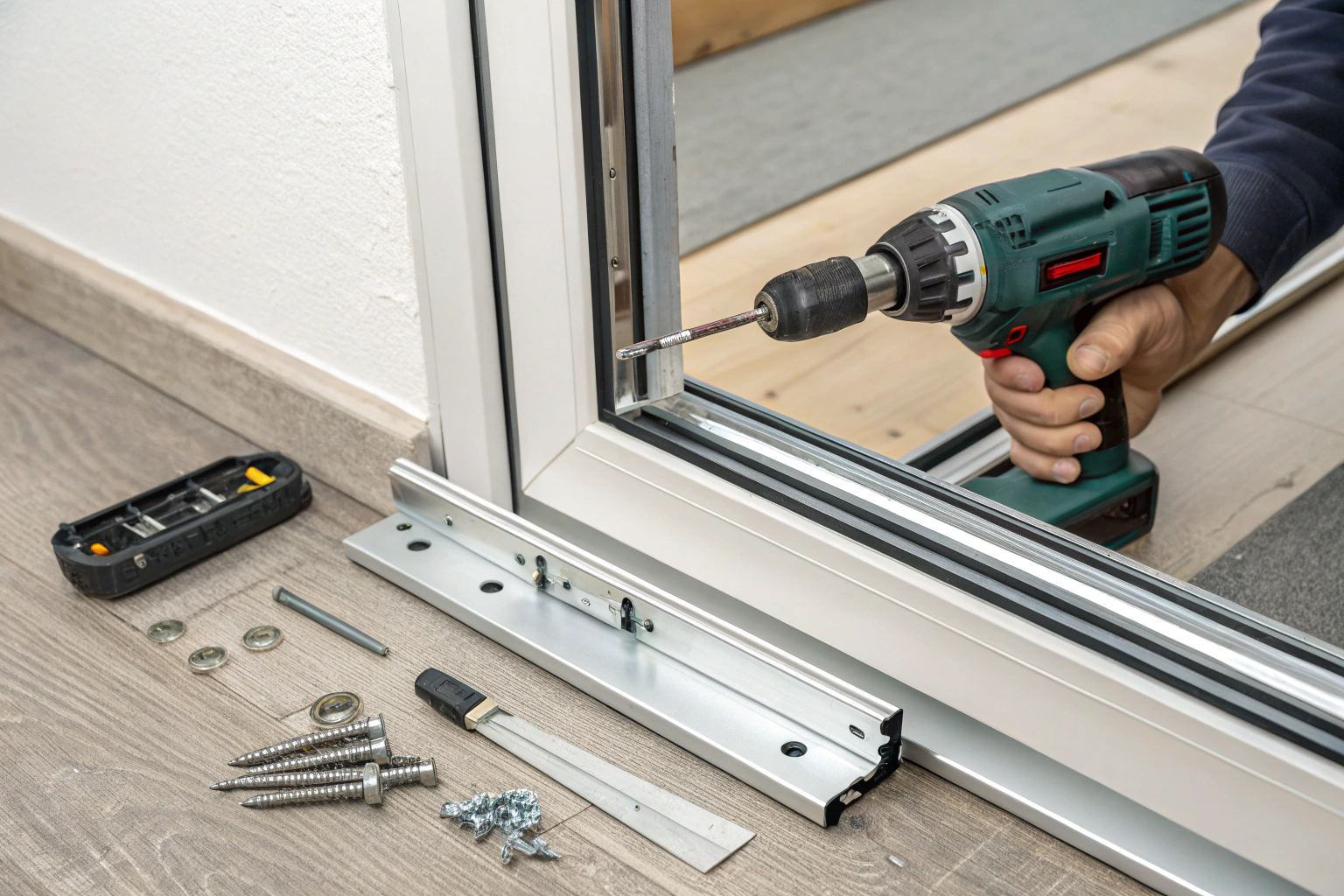
Aluminum frames are rigid and less forgiving than flexible materials. Poor alignment can cause binding, uneven gasket compression, or water infiltration. Larger panels amplify this risk due to weight and structural load.
Heavier frames may require additional handling support during installation. Inadequate anchoring or uneven load distribution can lead to frame distortion over time. Precision installation is essential to maintain performance ratings achieved during factory testing.
In projects with inconsistent site conditions or limited installer experience, this requirement can increase labor cost and risk compared with simpler frame systems.
Are Aluminum Windows Always Suitable for All Climates?
Environmental conditions influence material suitability.
Extreme climates can expose aluminum window limitations if systems are not specifically engineered for those conditions.
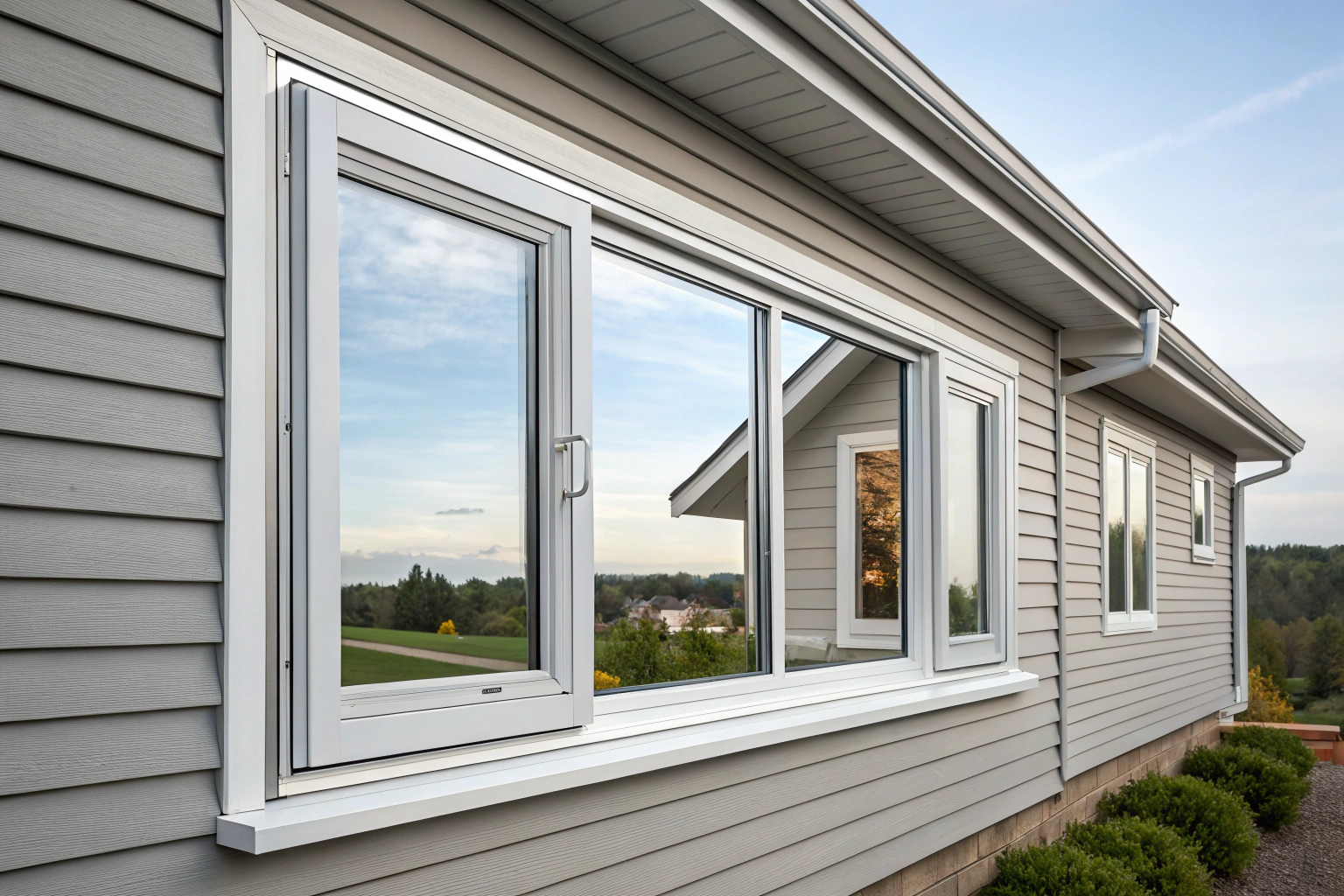
In cold regions, condensation risk increases without high-performance thermal breaks and insulated glazing. In hot climates, heat transfer through frames can increase cooling loads. In coastal or desert environments, salt, sand, and UV exposure challenge finishes and hardware.
Specialized designs, thicker coatings, stainless steel hardware, and reinforced drainage systems mitigate these risks but add cost and complexity. Standard aluminum systems may not perform equally across all regions without adaptation.
Material selection must therefore consider climate-specific engineering rather than assuming universal suitability.
How Manufacturing Quality Determines Real Disadvantages
Many disadvantages originate from production, not material choice.
Poor manufacturing control amplifies aluminum window disadvantages, while integrated factory production significantly reduces them.
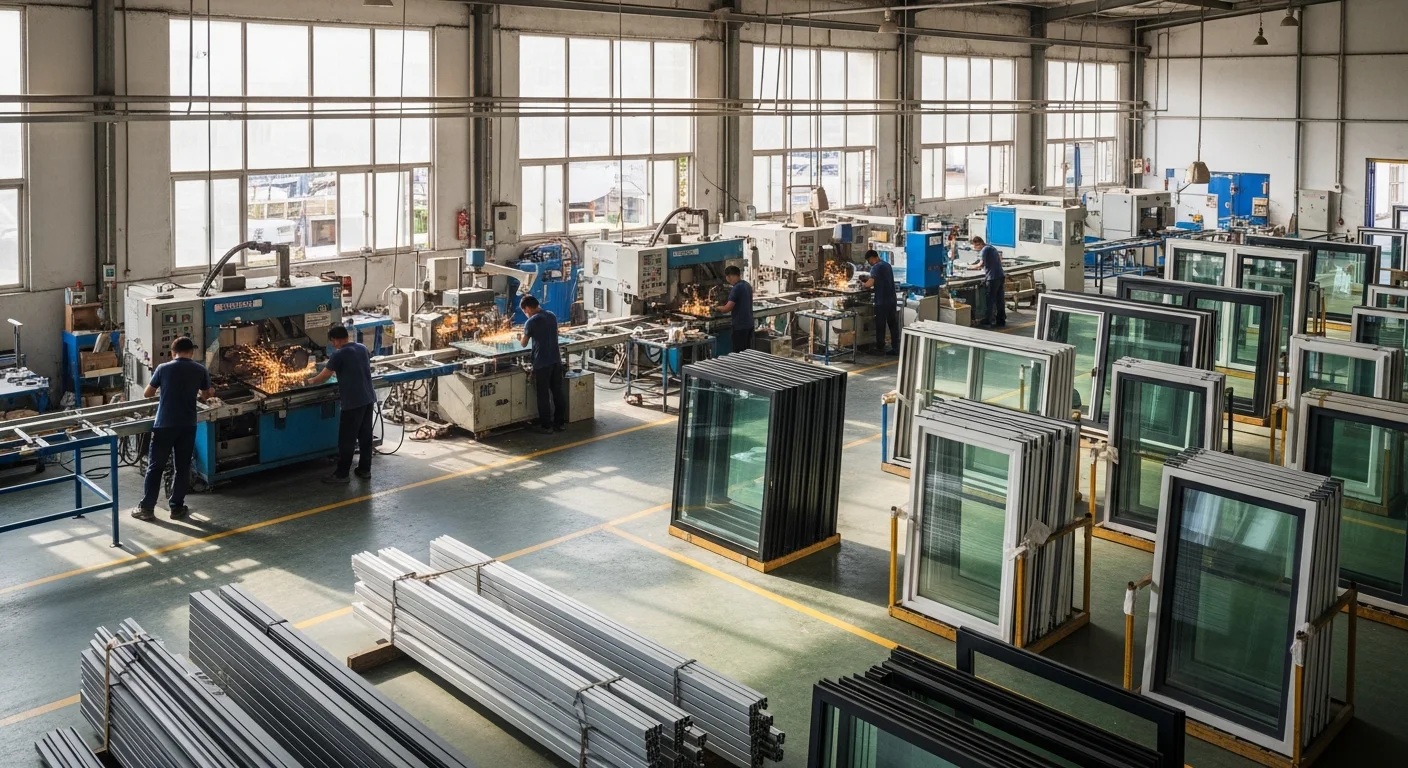
Critical manufacturing factors include:
- Alloy selection and profile wall thickness
- Precision extrusion and machining
- Controlled thermal break insertion
- Verified coating thickness and adhesion
- Hardware compatibility testing
- Final performance inspection
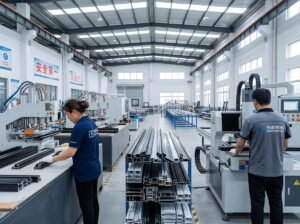
Factories with in-house design, R&D, extrusion coordination, machining, assembly, and testing maintain system consistency. Experience producing OEM and ODM systems for established brands typically enforces higher standards, repeated lifecycle testing, and stable supply capability.
When production is fragmented or quality control is minimal, aluminum windows may exhibit the very issues often attributed to the material itself.
Conclusion
Aluminum windows offer strength, durability, and modern aesthetics, but they are not without disadvantages. High thermal conductivity, higher upfront cost, dependence on surface treatment quality, precise installation requirements, and climate sensitivity must be carefully considered. Many of these limitations can be mitigated through advanced system design, thermal break technology, and disciplined manufacturing processes. Evaluating aluminum windows requires balancing structural and aesthetic benefits against performance demands, environmental conditions, and long-term project expectations. With proper engineering and controlled production, aluminum window systems remain a reliable solution, but material selection should always align with project-specific priorities and performance criteria.